Practical guide

Birdwatching in Santa Marta: Best Spots, Routes, and What to Expect

Santa Marta is one of the best birdwatching destinations in the world and one of the easiest to experience. Within short travel windows, you can move from beaches to cloud forest and high mountain habitat.

Why go birdwatching in Santa Marta?

  • Over 600 bird species recorded in the region.
  • One of the highest concentrations of endemic birds on Earth.
  • Elevation gradient from sea level to over 5,000 meters.
  • Multiple ecosystems within short travel distances.

Best birdwatching spots near Santa Marta

1. Minca

Distance: ~45 min · Difficulty: easy · Best for beginners and casual birders.

2. El Dorado Reserve

Distance: ~2-3 h · Difficulty: moderate · Best overall location for endemics.

3. San Lorenzo Ridge

Distance: ~3-4 h · Difficulty: moderate-hard · Best for serious birders and rare targets.

4. Don Diego River

Distance: ~1 h · Difficulty: easy · Lowland birding with river habitat.

5. Tayrona National Park

Distance: ~1 h · Difficulty: easy-moderate · Scenic coastal + jungle birdwatching.

Quick gallery of key species

Endemic

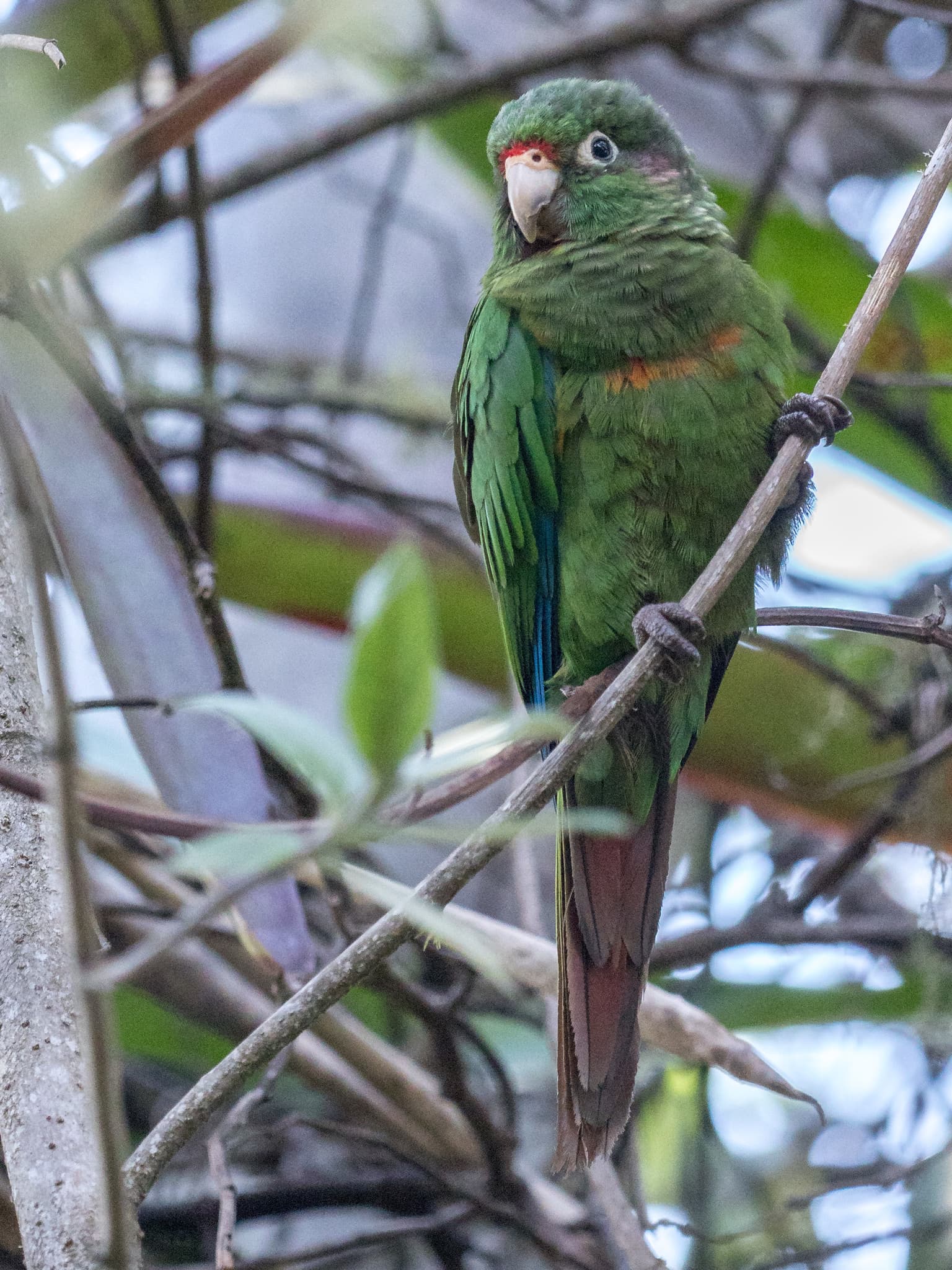
Santa Marta Parakeet

Santa Marta Parakeet

View species

Photo: Wikimedia Commons. Source

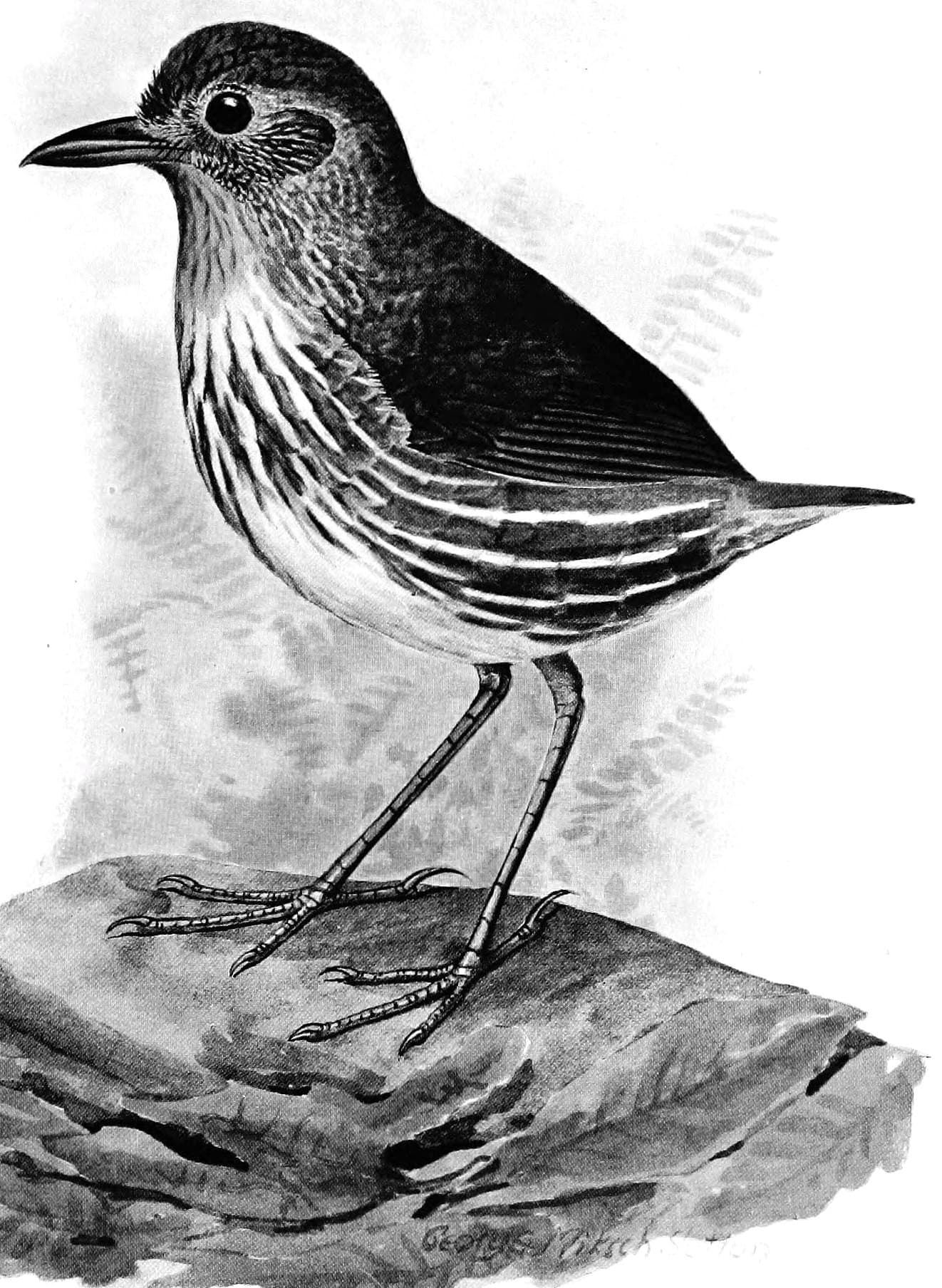
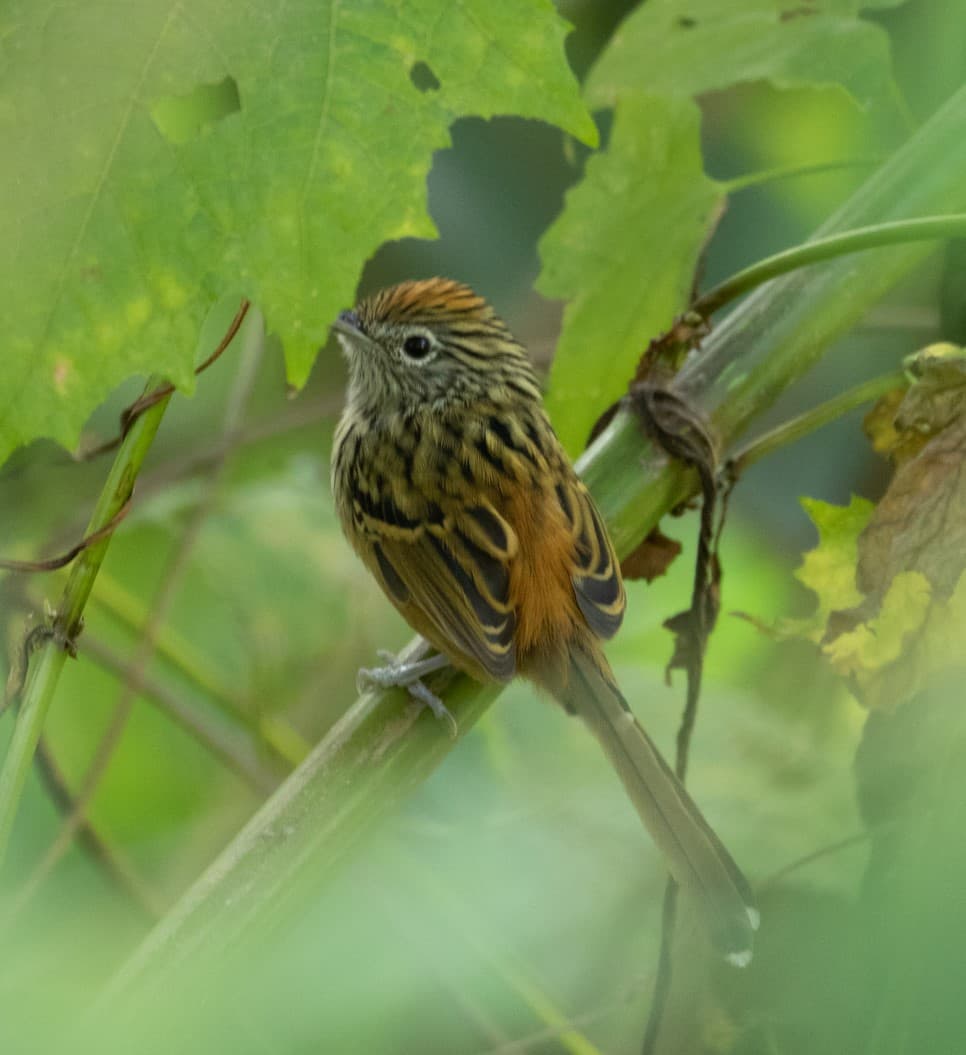
Santa Marta Antpitta

Santa Marta Antpitta

View species

Photo: Wikimedia Commons. Source

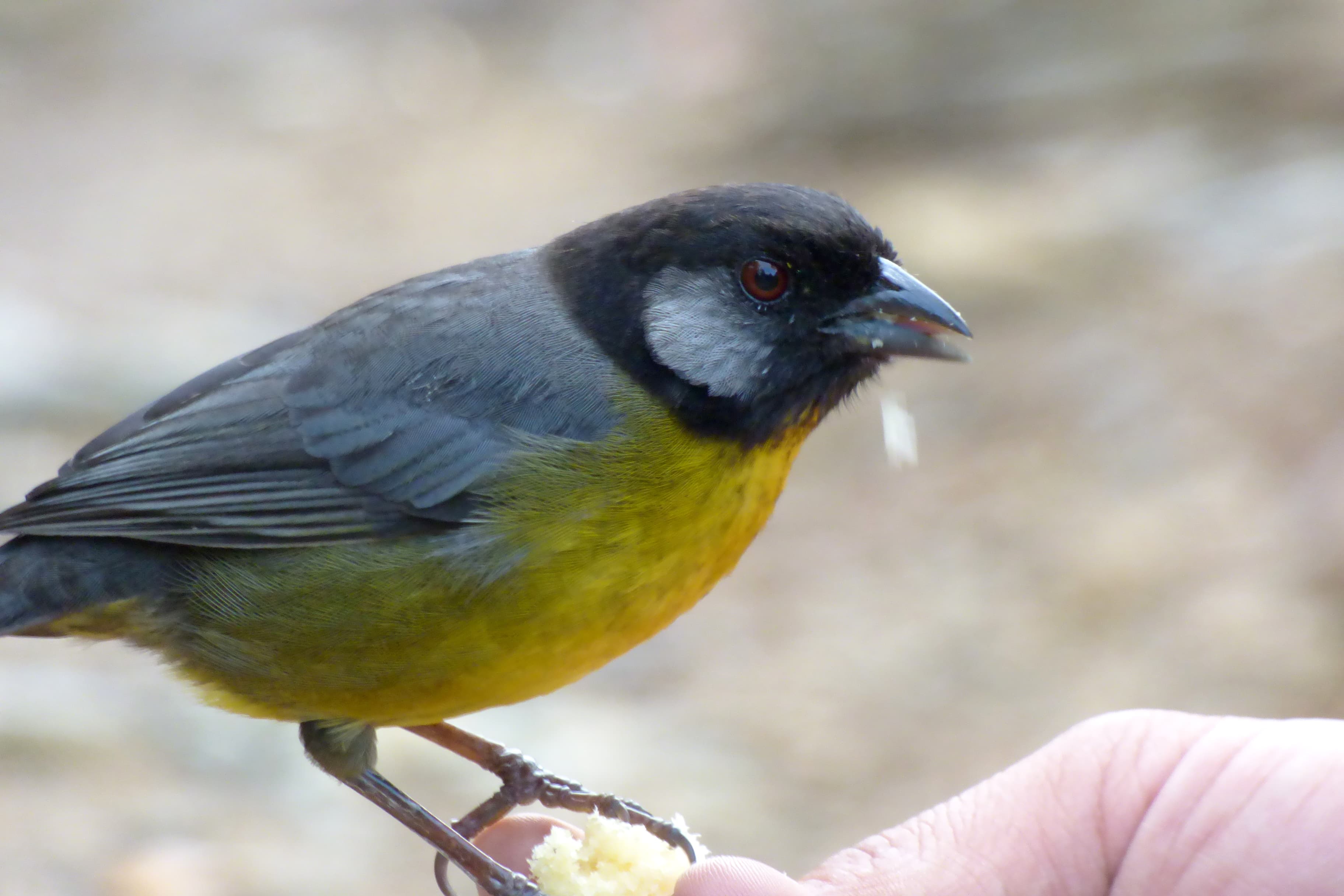
Santa Marta Brushfinch

Santa Marta Brushfinch

View species

Photo: Wikimedia Commons. Source

Endangered

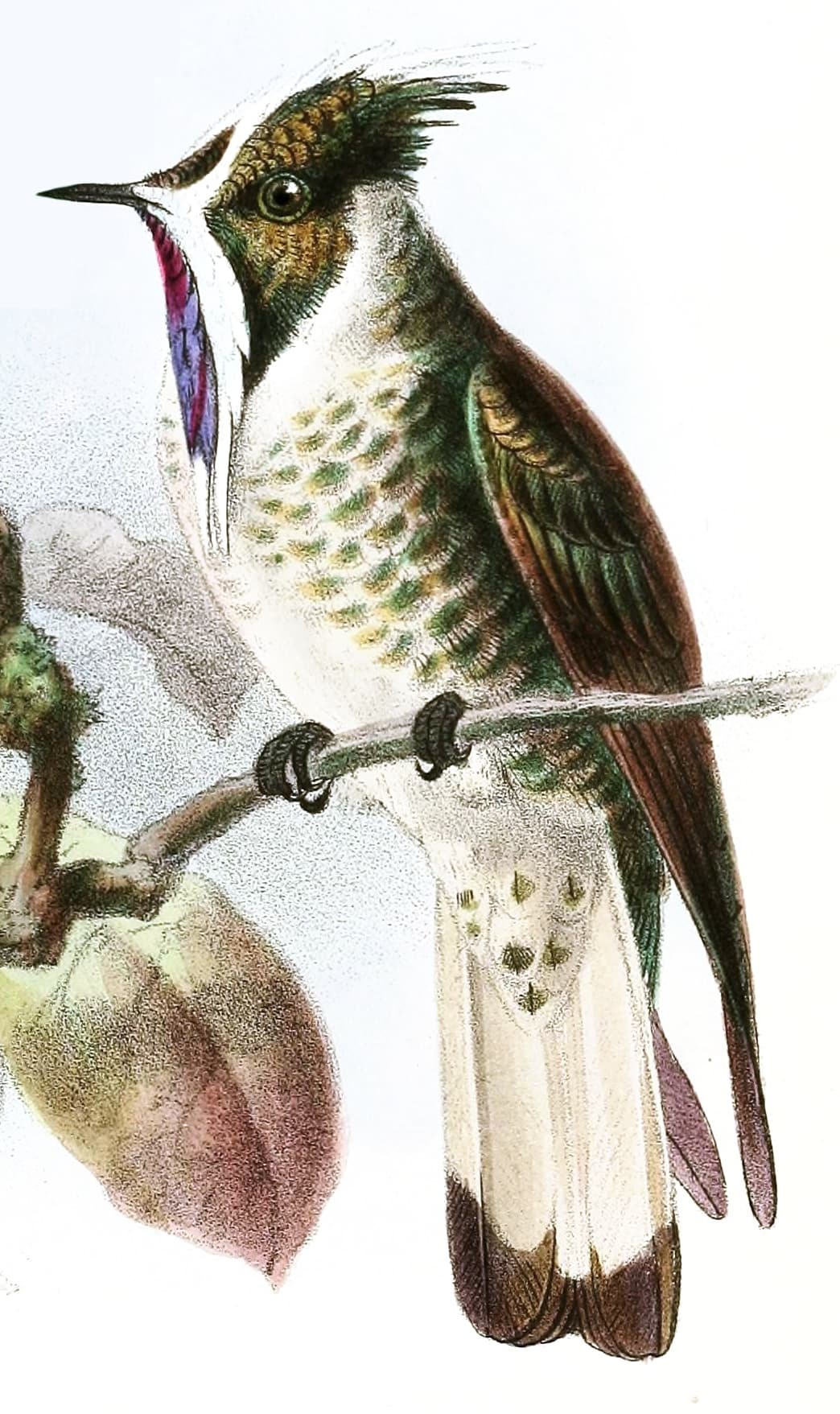
Blue-bearded Helmetcrest

Blue-bearded Helmetcrest

View species

Photo: Wikimedia Commons. Source

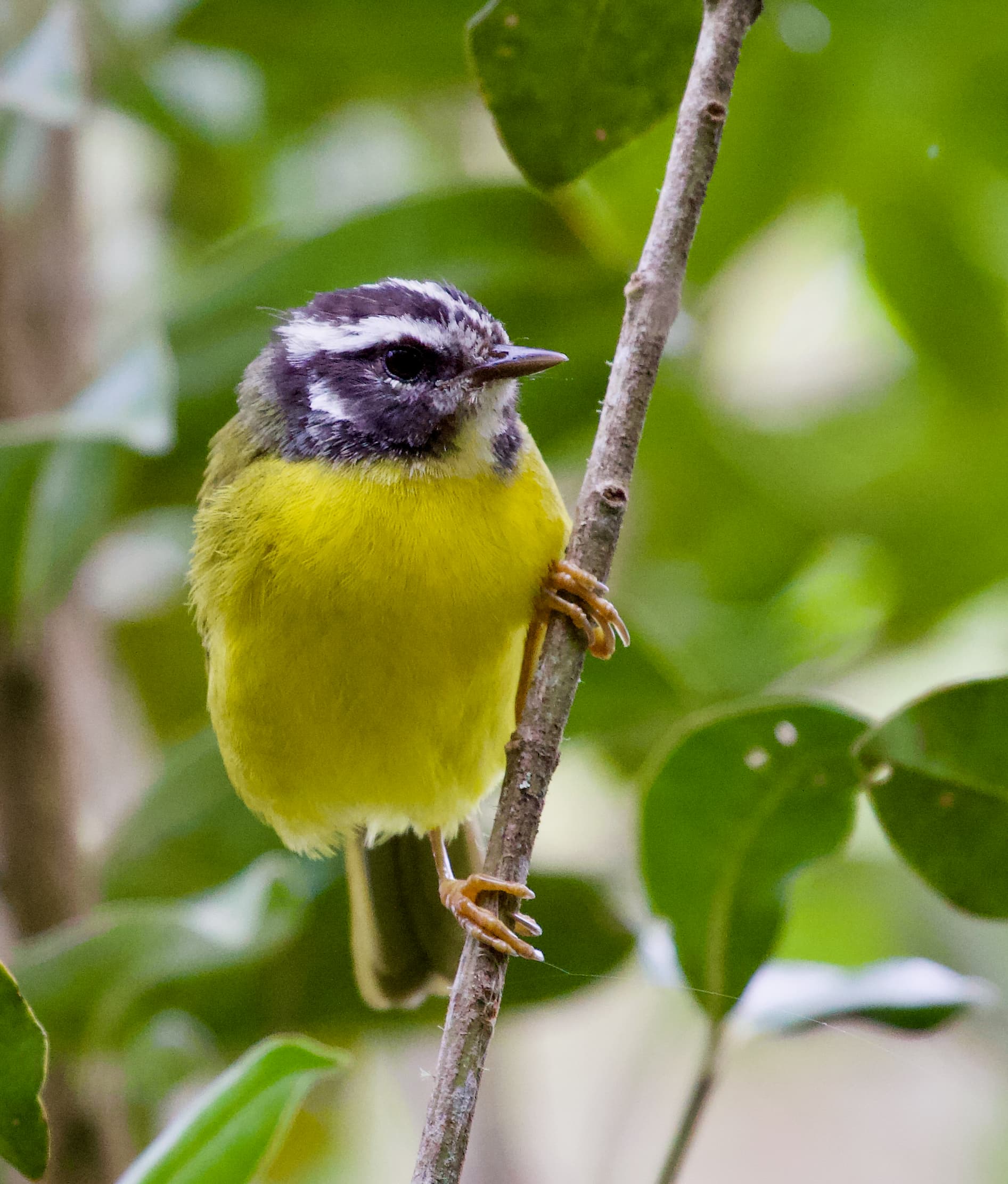
Santa Marta Warbler

Santa Marta Warbler

View species

Photo: Wikimedia Commons. Source

Santa Marta Antbird

Santa Marta Antbird

View species

Photo: Wikimedia Commons. Source

Tropical highlights

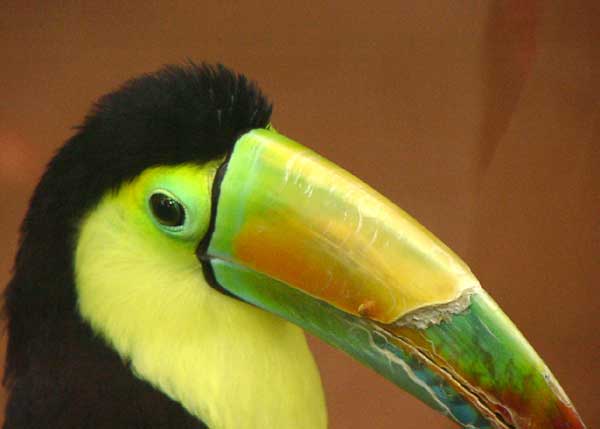
Keel-billed Toucan

Keel-billed Toucan

View species

Photo: Wikimedia Commons. Source

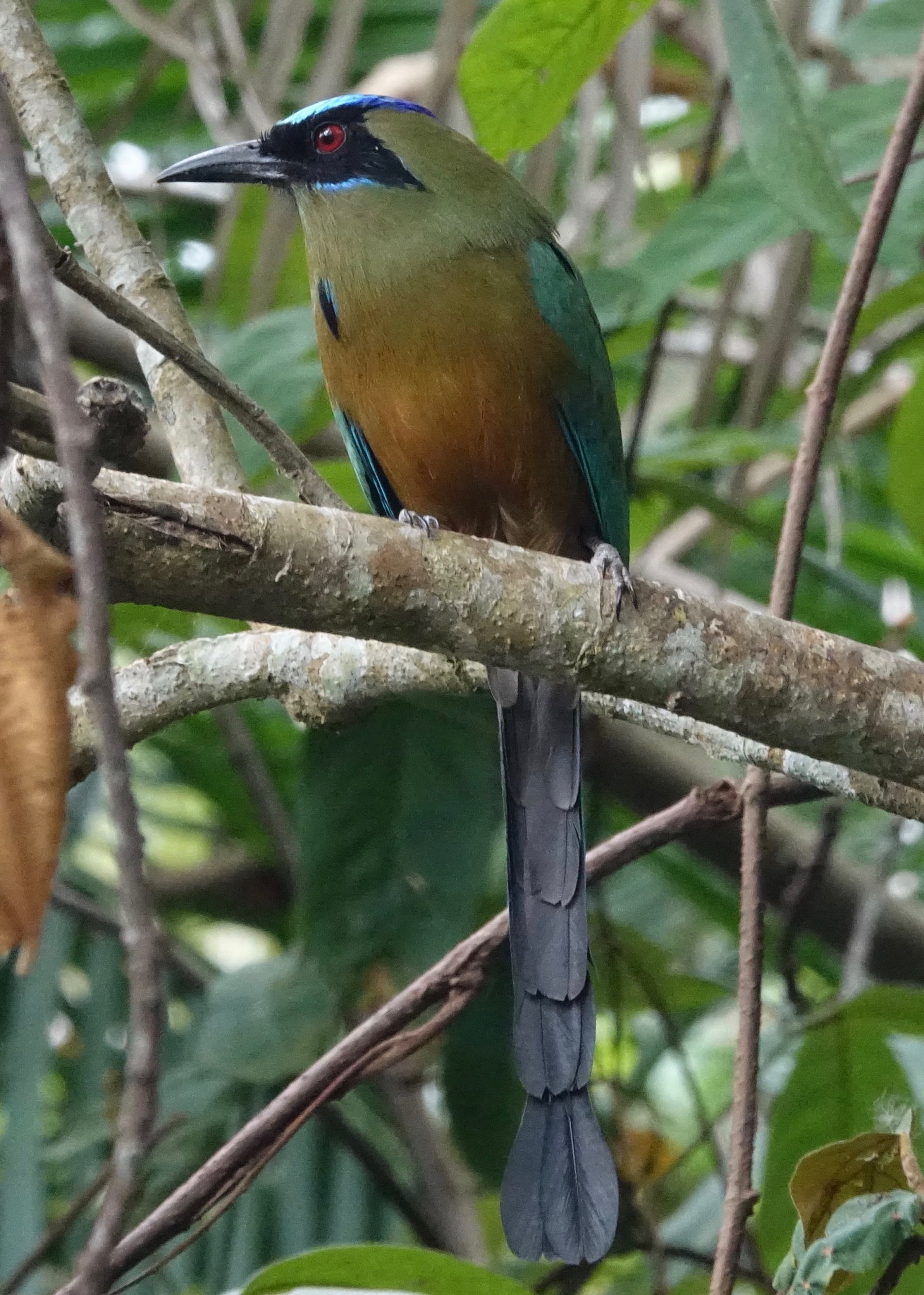
Whooping Motmot

Whooping Motmot

View species

Photo: Wikimedia Commons. Source

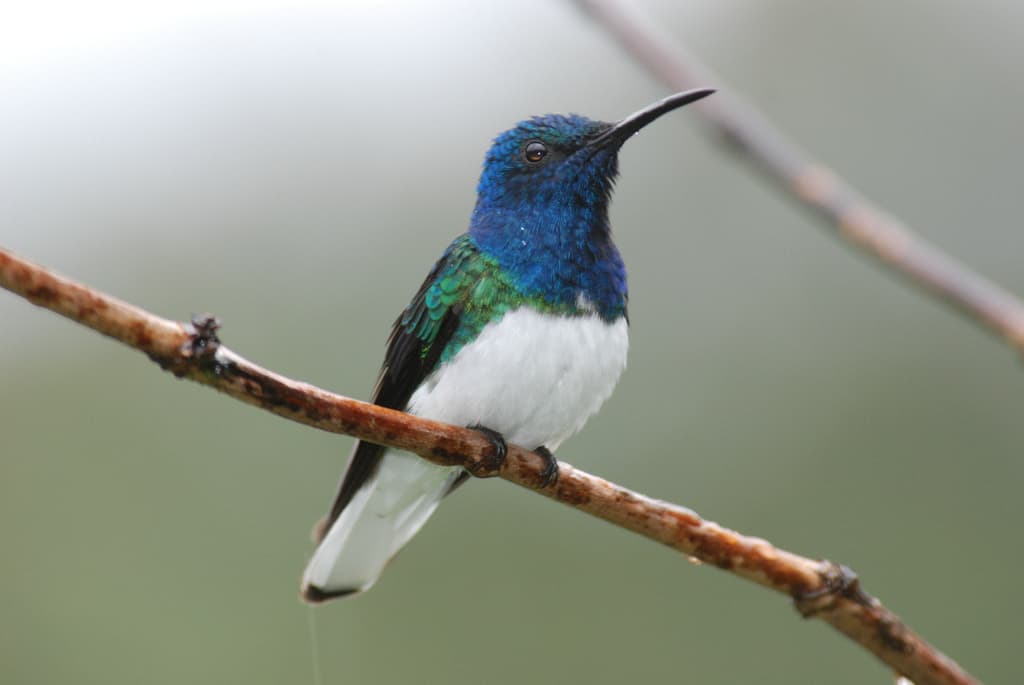
White-necked Jacobin

White-necked Jacobin

View species

Photo: Wikimedia Commons. Source

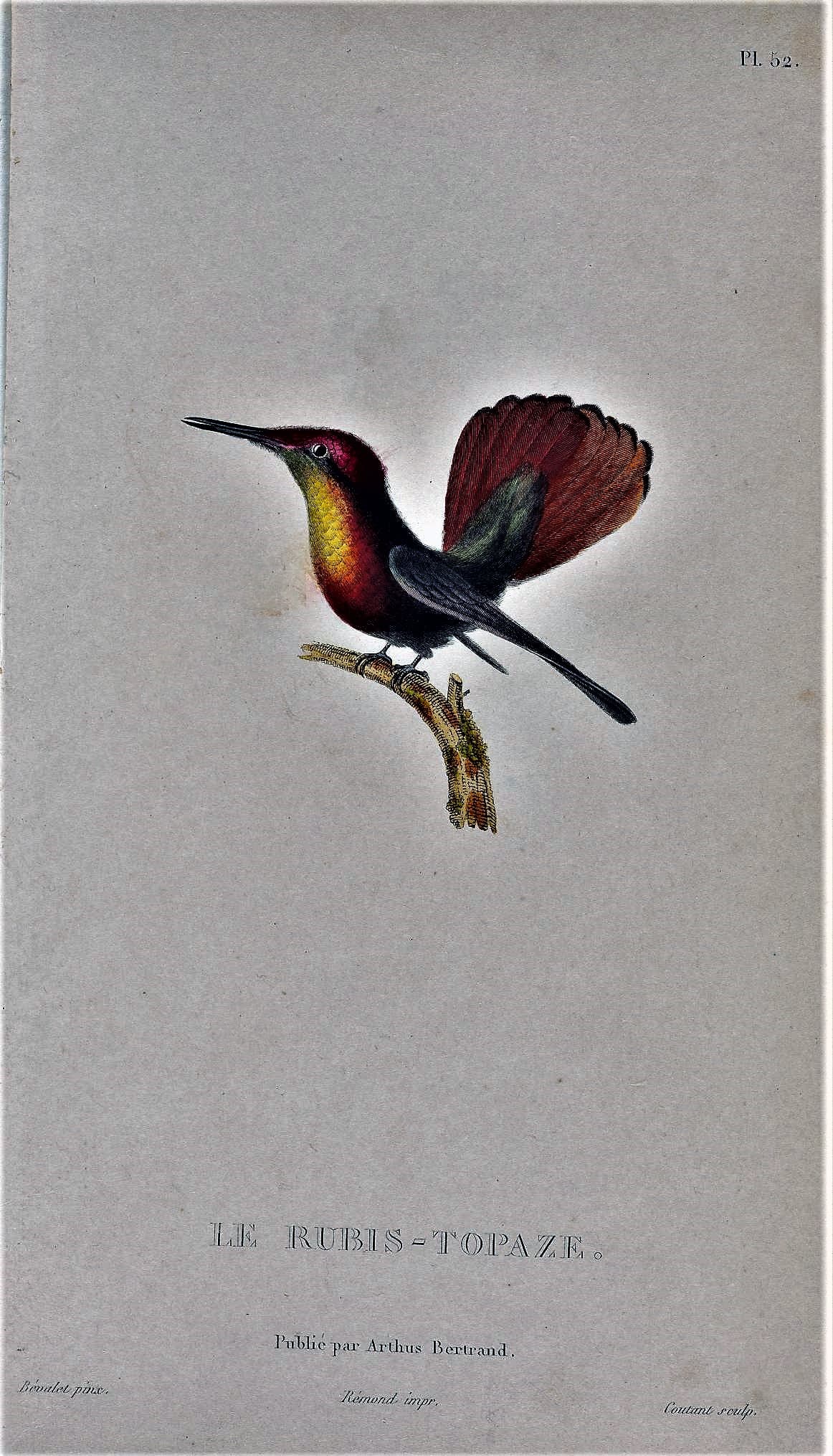
Ruby-topaz Hummingbird

Ruby-topaz Hummingbird

View species

Photo: Wikimedia Commons. Source

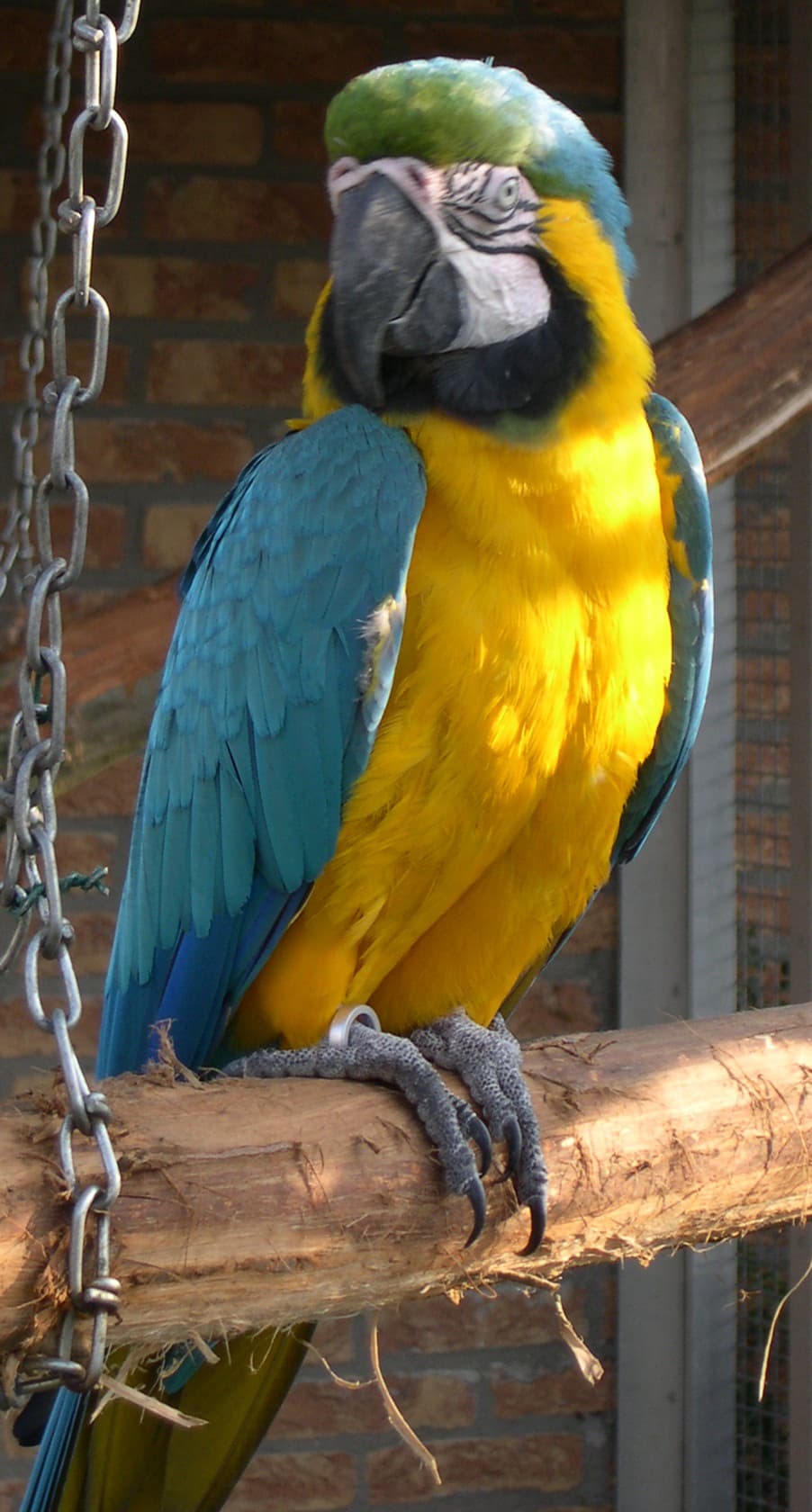
Blue-and-yellow Macaw

Blue-and-yellow Macaw

View species

Photo: Wikimedia Commons. Source

Birds of prey

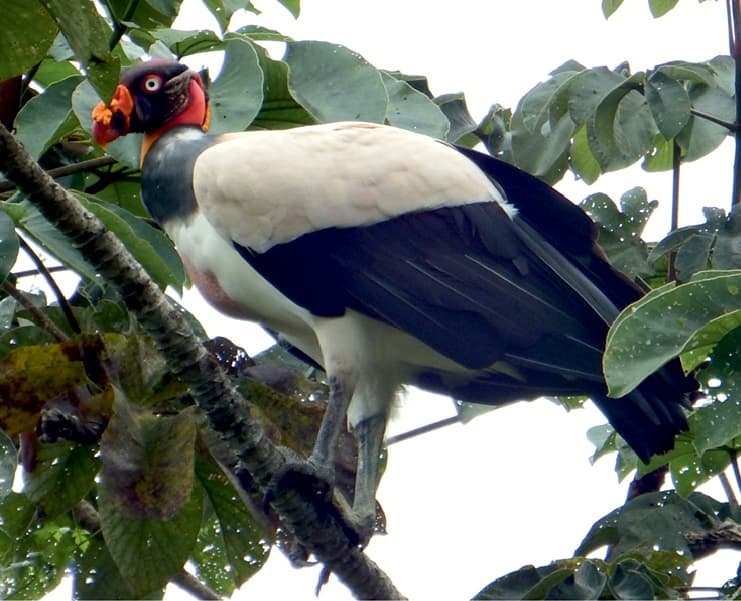
King Vulture

King Vulture

View species

Photo: Wikimedia Commons. Source

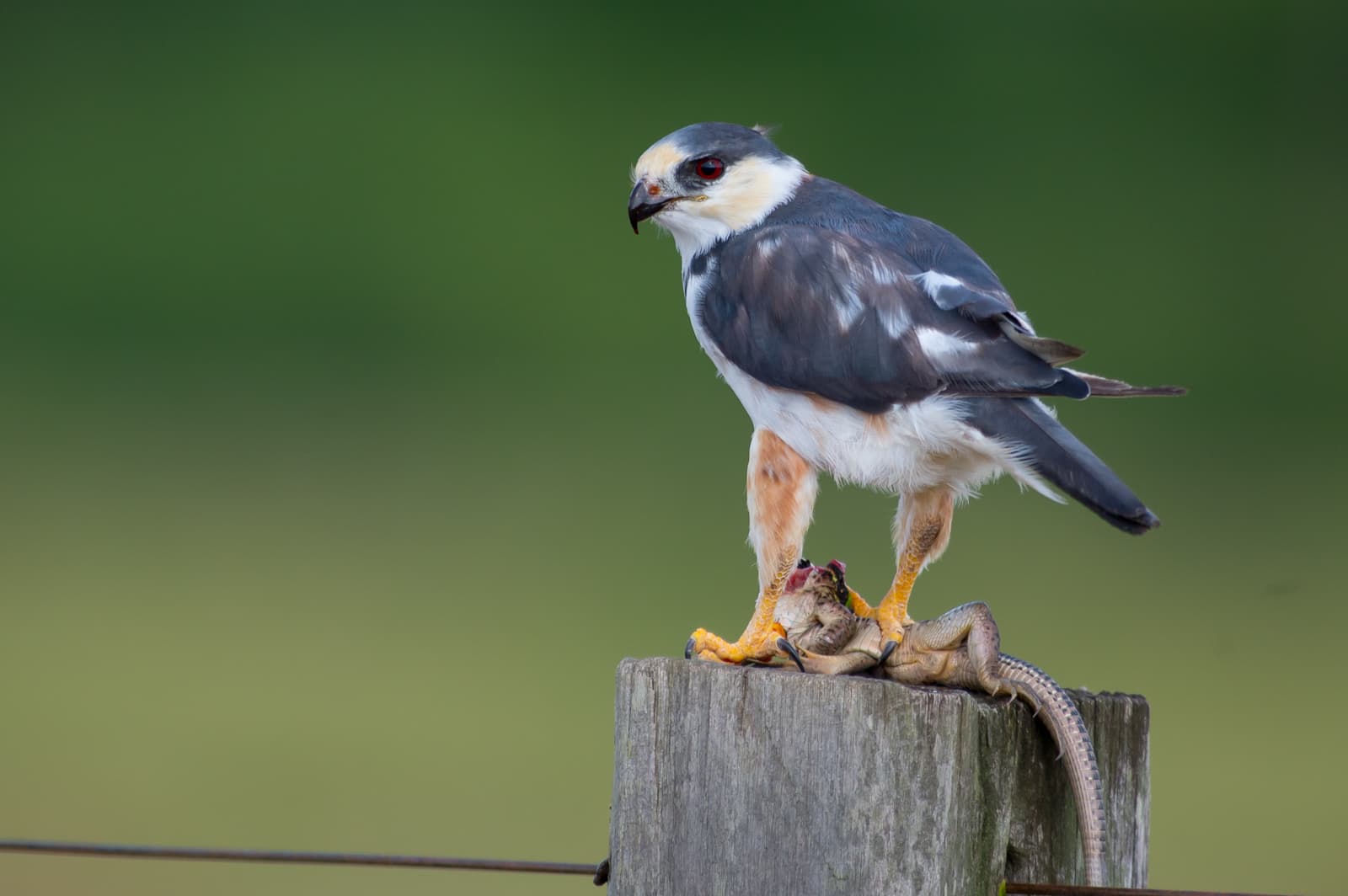
Pearl Kite

Pearl Kite

View species

Photo: Wikimedia Commons. Source

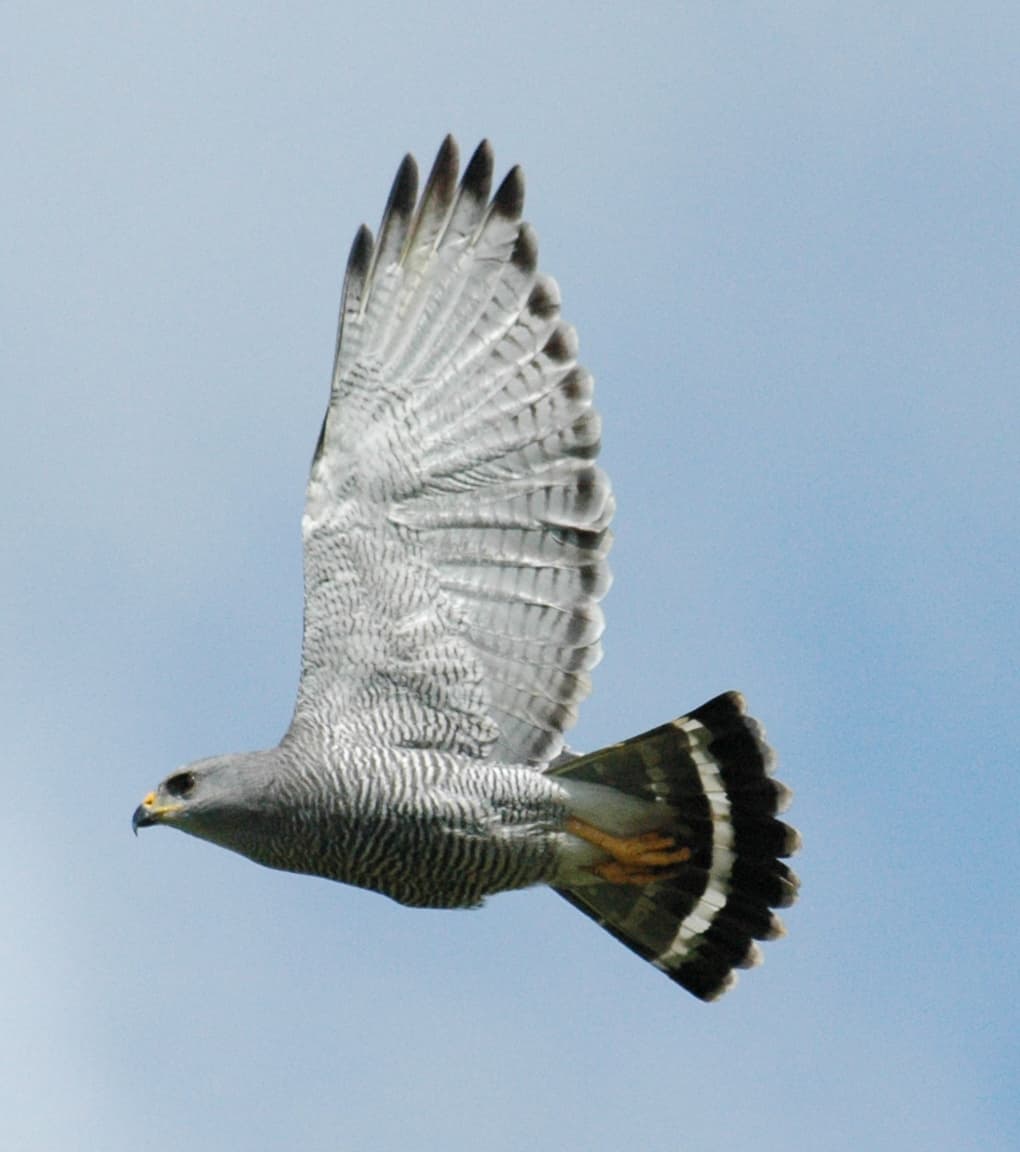
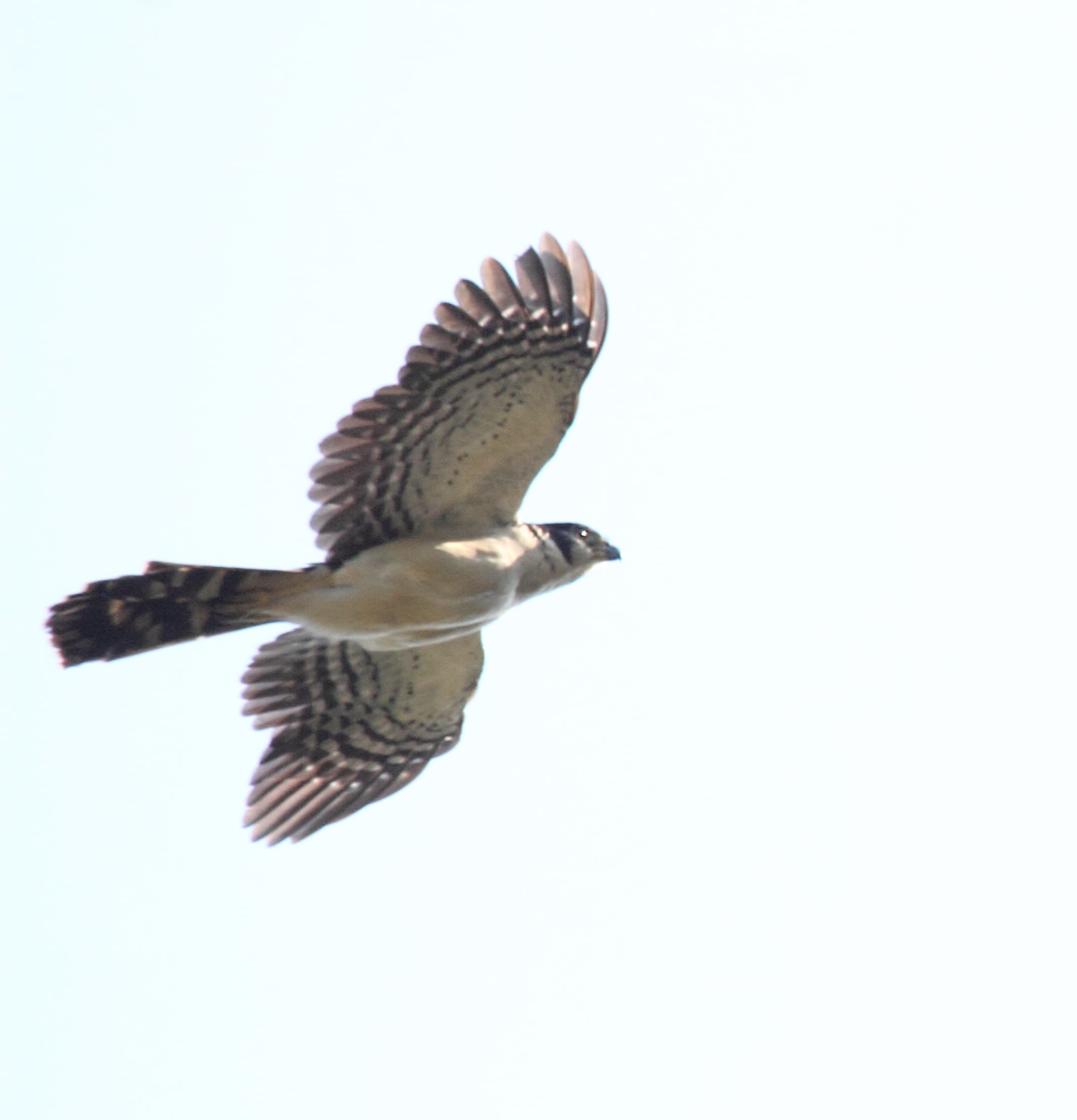
Gray-lined Hawk

Gray-lined Hawk

View species

Photo: Wikimedia Commons. Source

Forest/jungle birds

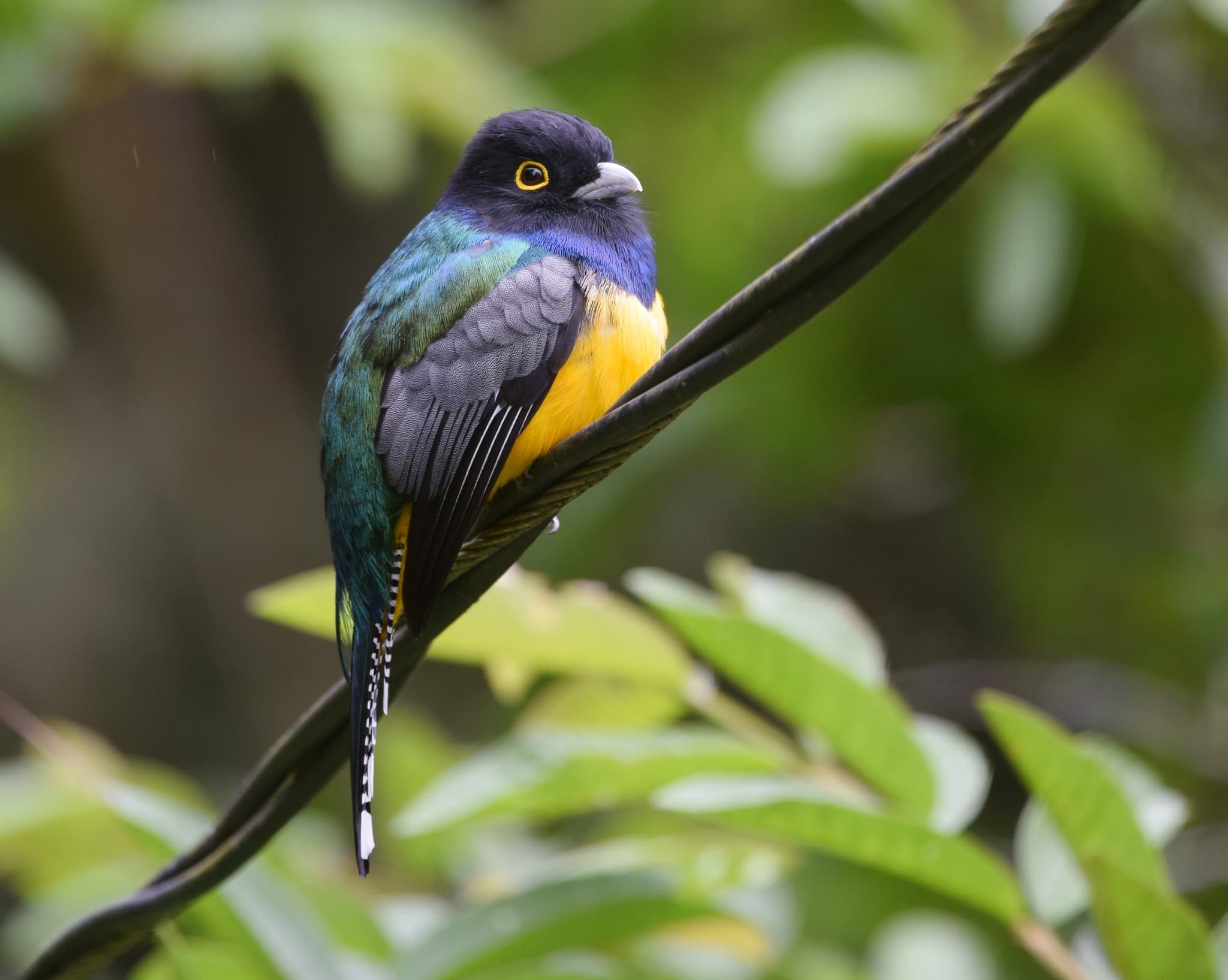
Gartered Trogon

Gartered Trogon

View species

Photo: Wikimedia Commons. Source

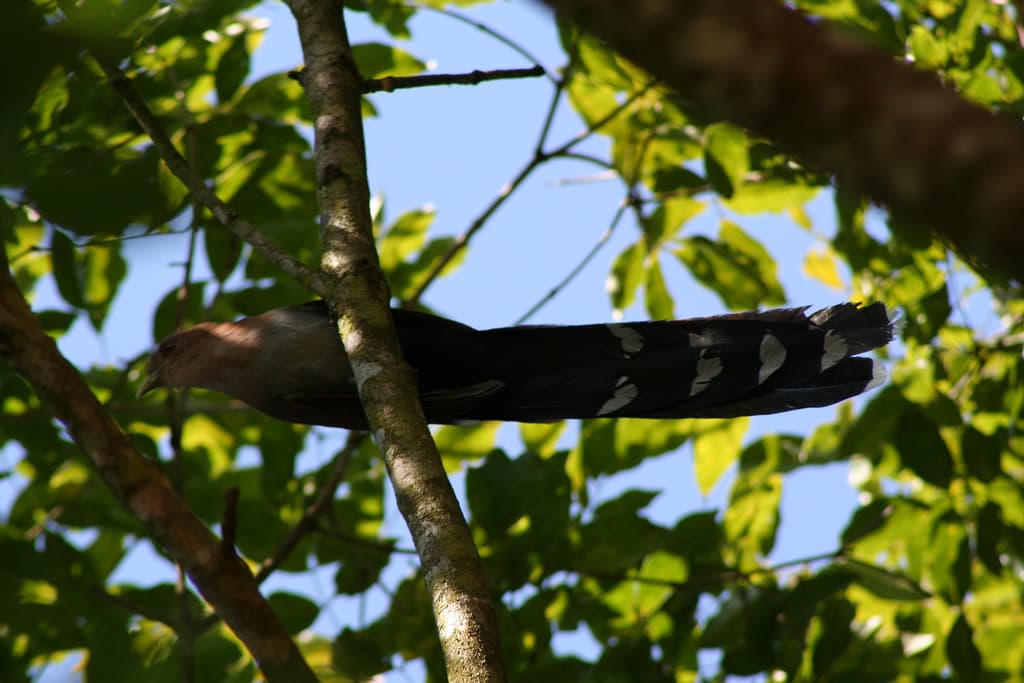
Squirrel Cuckoo

Squirrel Cuckoo

View species

Photo: Wikimedia Commons. Source

Collared Forest-Falcon

Collared Forest-Falcon

View species

Photo: Wikimedia Commons. Source

Best time of day

  • 5:30 AM-9:00 AM: peak activity window.
  • 4:00 PM-sunset: secondary activity window.
  • Midday: typically less productive.

Best time of year

  • Dry seasons (Dec-Mar, Jul-Aug): easier access and visibility.
  • Wet season: highly active ecosystems, tougher trails.
  • Bird diversity remains high year-round.

What birds can you expect?

Endemic species

Santa Marta Parakeet · Santa Marta Antpitta · Santa Marta Brushfinch

See /birds/endemic

Endangered species

Blue-bearded Helmetcrest · Santa Marta Warbler · Santa Marta Antbird

See /birds/endangered

Tropical highlights

Toucans · Motmots · Hummingbirds · Raptors

Do you need a guide?

You probably don’t need a guide if:

  • You stay in Minca.
  • You are doing casual birdwatching.
  • You are not targeting specific species.

You should use a guide if:

  • You want endemic or rare species.
  • You are going to El Dorado or San Lorenzo.
  • You want a much higher success rate.

What to bring

  • Binoculars (essential).
  • Lightweight clothing for humidity + elevation.
  • Comfortable trail shoes.
  • Water and snacks.
  • Camera (optional).

Simple 1-day birdwatching itinerary

Option 1: Minca + upper trails

Early start in Minca, forest trails, and finish at a bird-friendly lodge.

Option 2: El Dorado (best overall)

Very early departure and focus on endemic species at mid/high elevation.

Responsible birdwatching

  • Stay on marked trails.
  • Avoid disturbing birds and nesting areas.
  • Support eco-lodges and reserves.
  • Do not overuse playback calls.

Final thoughts

Birdwatching in Santa Marta is not just for experts. It is one of the most accessible ways to experience the region’s biodiversity and add a new dimension to your trip.

More links