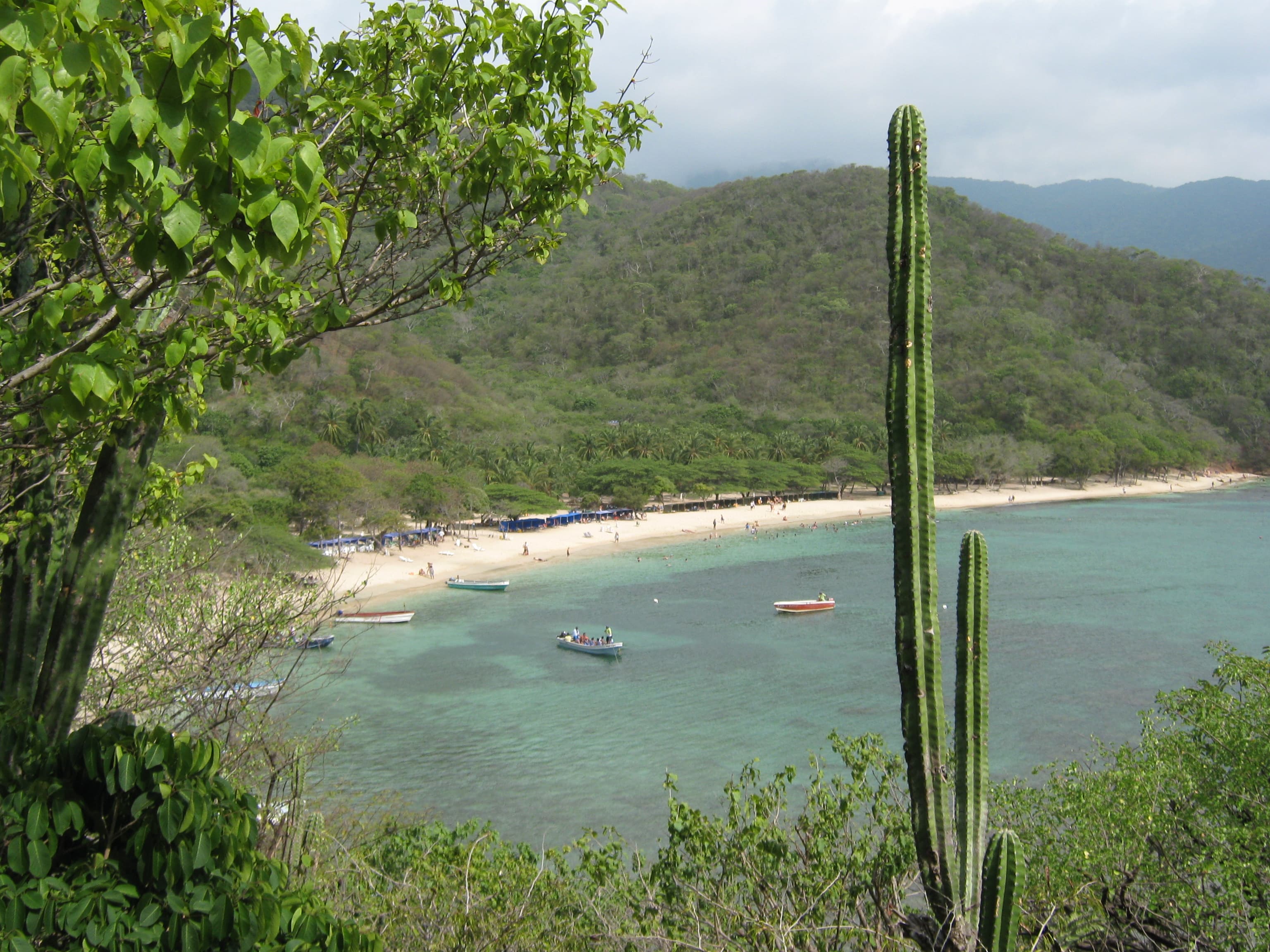
Aguas claras y snorkel
Guía completa de las mejores playas cerca de Santa Marta, Colombia — desde Tayrona hasta El Rodadero y Playa Blanca.
Si quieres una decisión rápida, empieza por condiciones en vivo, valida temperatura del agua y clima en vivo y luego compara detalle de Playa Cristal, Tayrona o Rodadero.
Aguas claras y snorkel
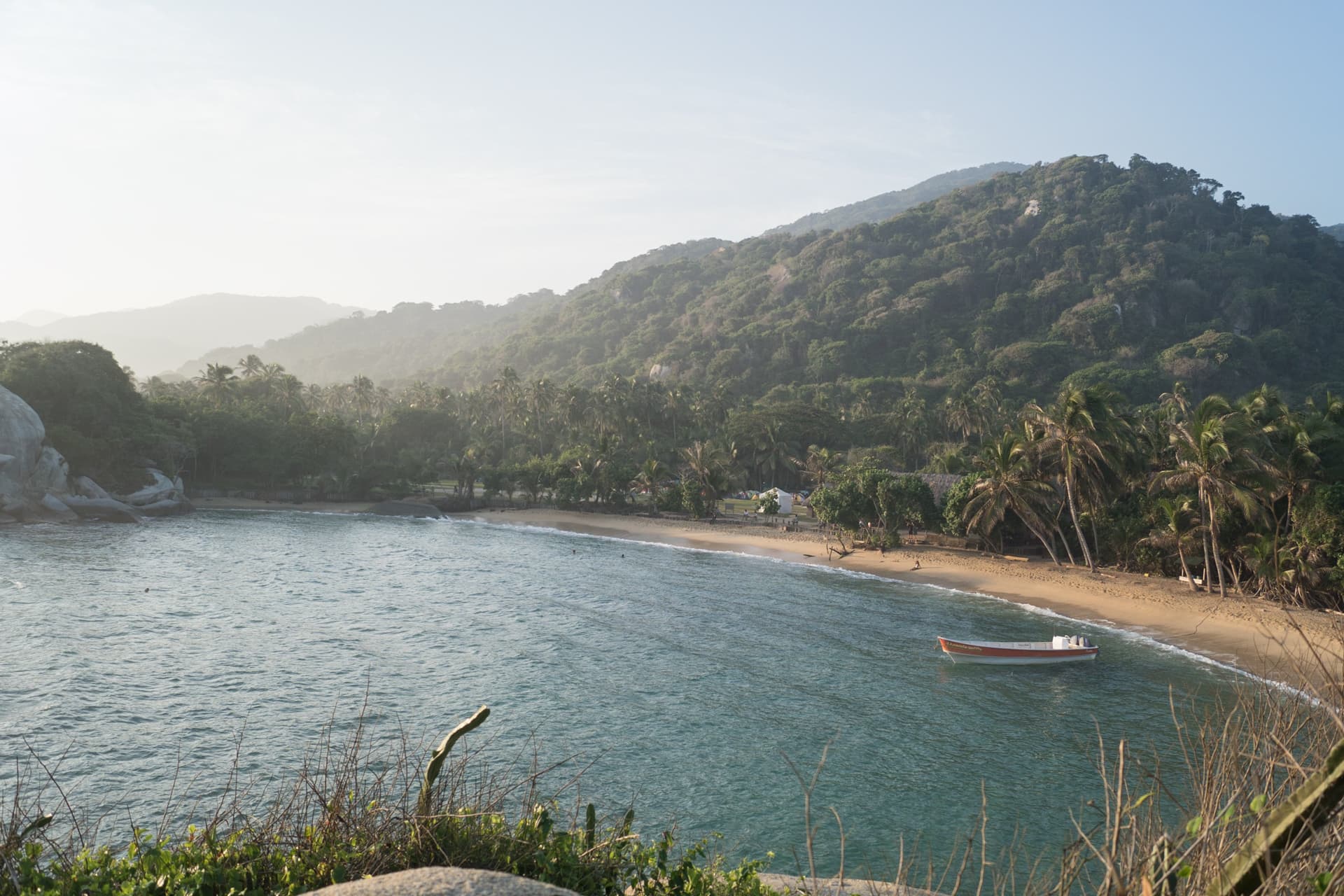
Naturaleza + sendero
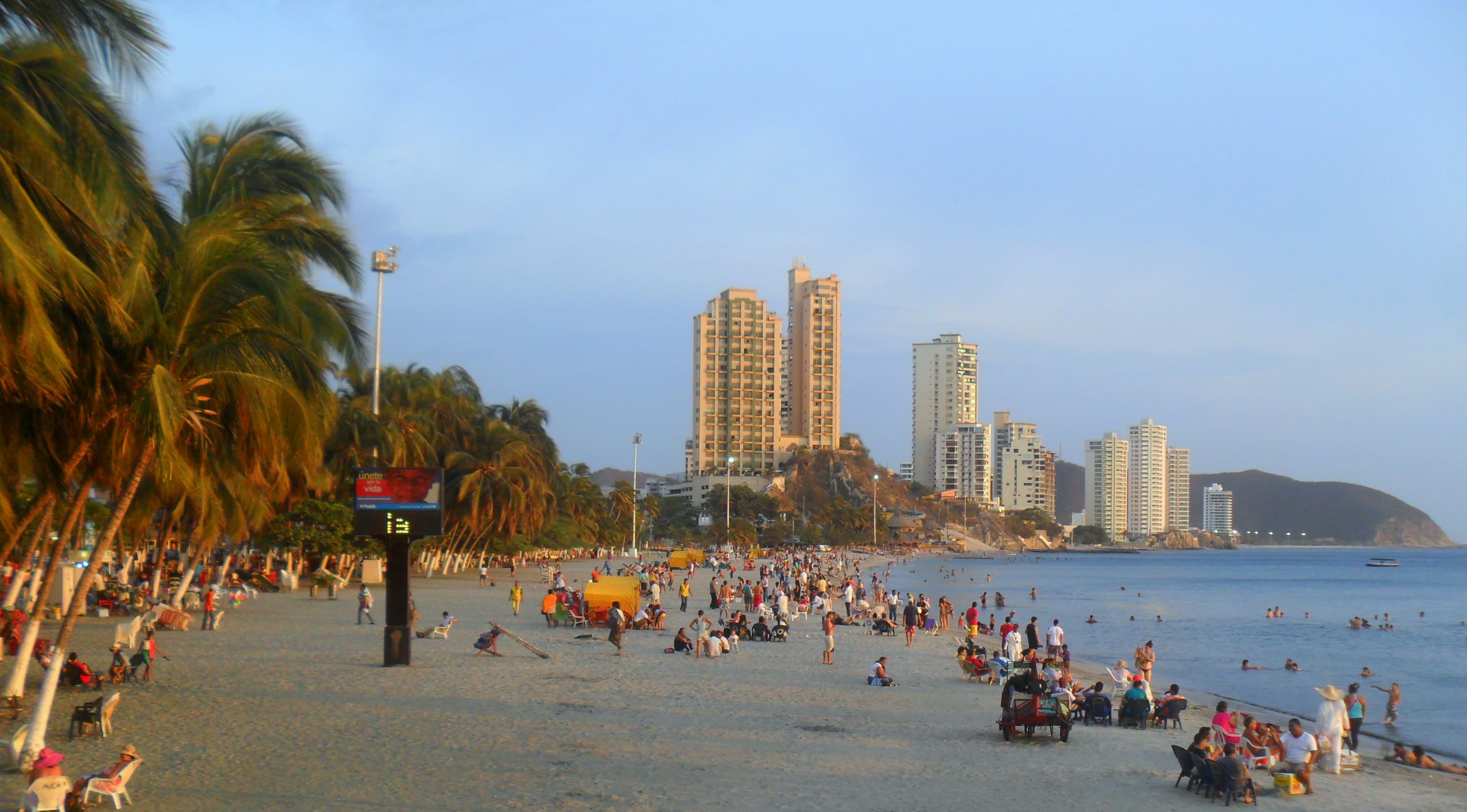
Playa urbana fácil
1) Define tu objetivo del día
No todas las playas sirven para todo. Decide si buscas snorkel, acceso fácil, paisaje o day trip largo.
Snorkel: Playa Cristal · fácil: Rodadero · naturaleza: Tayrona
2) Valida condiciones reales
Usa mapa en vivo y temperatura del agua. Esto evita elegir una playa “famosa” en un mal día.
3) Optimiza logística
Distingue playas urbanas de playas con traslado en lancha o caminata.
Lancha/caminata: Cabo San Juan · urbana: El Rodadero
4) Deja plan B
Si sube viento u oleaje, cambia a bahía protegida o bloque urbano.
24 resultado(s)
Familia / fácil
Rodadero · Playa Blanca
Snorkel y agua clara
Playa Cristal · Bahía Concha
Naturaleza intensa
Tayrona · Cabo San Juan
Ambiente alternativo
Taganga Playa Grande · Palomino
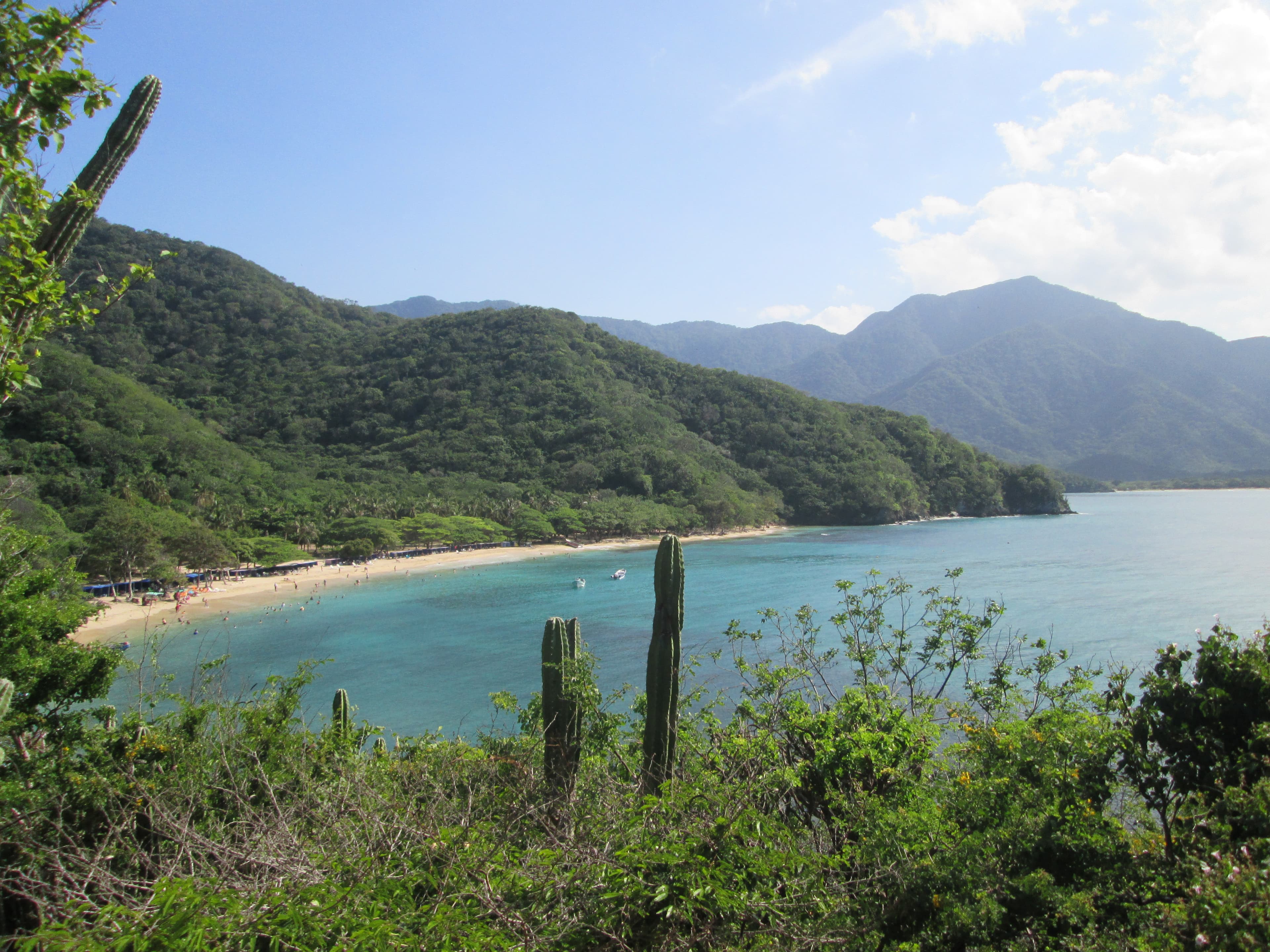 Caminata moderada
Tayrona es la joya de Colombia: un parque nacional protegido donde las estribaciones de la Sierra Nevada de Santa Marta, la cordillera costera más alta del mundo, se sumergen en el mar Caribe. Playas vírgenes como Cabo San Juan, Playa Cristal y La Piscina solo son accesibles a pie por senderos selváticos, lo que mantiene las multitudes manejables y el ecosistema intacto. El parque abarca más de 15.000 hectáreas de tierra y 3.000 de mar, con más de 400 especies de aves y 60 de mamíferos.
Mejor época: December–April (dry season); avoid weekends and Colombian holidays
Entrada: ~58,000–73,500 COP (~$15–19 USD) / ~87,000 COP (~$22 USD)
Cierres: Feb 1–15, Jun 1–15, Oct 19–Nov 2 (indigenous ritual periods)
Cómo llegar: Bus from Santa Marta central market (~9,000 COP, ~30–45 min) to El Zaino entrance. Alternatively, boat from Taganga to Cabo San Juan (~90,000 COP return, 45 min).
Tip local: Arrive at El Zaino by 6–7 AM — the park caps daily visitors and tickets sell out. Book a hammock at Cabo San Juan in person at the El Zaino desk on arrival, not online.
Advertencias: Several beaches (Arrecifes, Piscina at times) have dangerous riptides — check posted swimming flags • No ATMs inside the park — bring cash for food, accommodation, and tips • Yellow fever vaccination recommended at least 10 days before entry
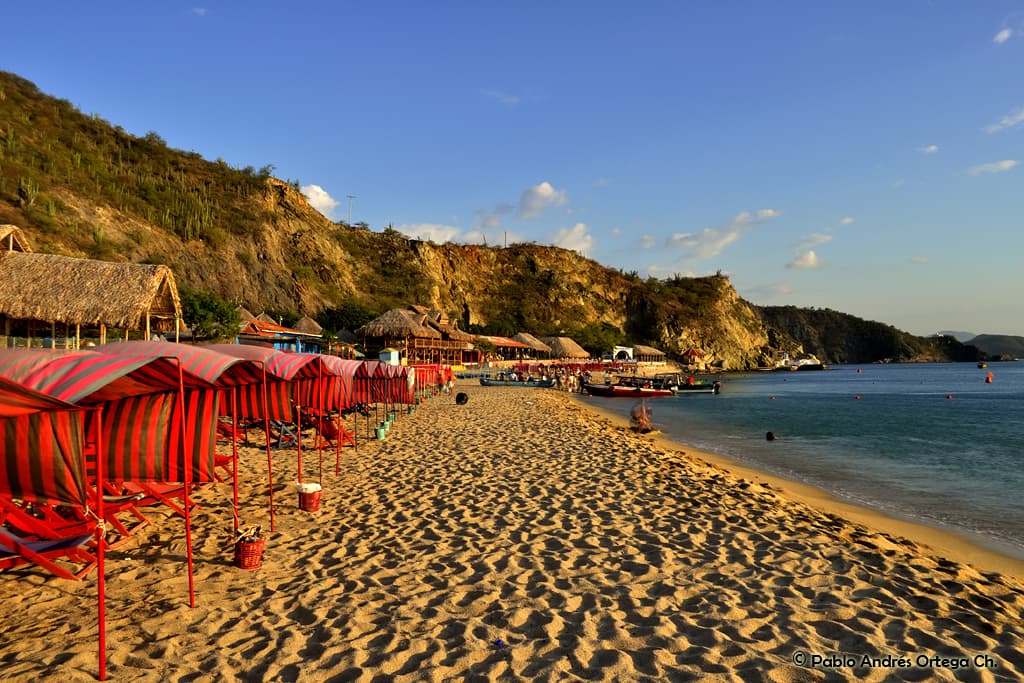
Acceso fácilEl Rodadero es la playa urbana más desarrollada y popular de Santa Marta: tranquila, segura y bordeada de hoteles de gran altura, restaurantes, bares de playa y vendedores de deportes acuáticos. Es la base perfecta si quieres acceso fácil a la playa sin senderismo, especialmente popular entre turistas colombianos y familias. El malecón cobra vida de noche con comida callejera, música y vendedores.
Mejor época: Weekday mornings; avoid peak Colombian holiday season for smaller crowds
Cómo llegar: Bus from Santa Marta center (~2,000 COP) or taxi (~15,000 COP). Easy and frequent service all day.
Tip local: Skip the tourist-trap coconut vendors on the sand and head a block inland for better-priced food. Early mornings before 9 AM offer calm, crowd-free swimming.
Advertencias: Gets very crowded on weekends and Colombian holidays • Persistent beach vendors can be overwhelming during peak hours
 Acceso fácil
No hay que confundirla con la más famosa Playa Blanca cerca de Cartagena: esta Playa Blanca está al suroeste de El Rodadero y se llega en 15 minutos en lancha o a pie en 30 minutos por las colinas. Es una alternativa más tranquila a Rodadero, con arena fina, ambiente más relajado y varios restaurantes a pie de playa con pescado fresco y cerveza fría.
Mejor época: Weekday mornings
Cómo llegar: Taxi-boats depart regularly from El Rodadero beach (~15 min, prices vary by season). Can also walk via the hill trail from Rodadero (~30 min).
Tip local: Boats run approximately every 15 minutes from El Rodadero — fares are often negotiated on the spot. Weekends draw a beach-party crowd; weekday visits are much more peaceful.
Advertencias: Crowded and noisy on weekends and holidays
 Acceso fácil
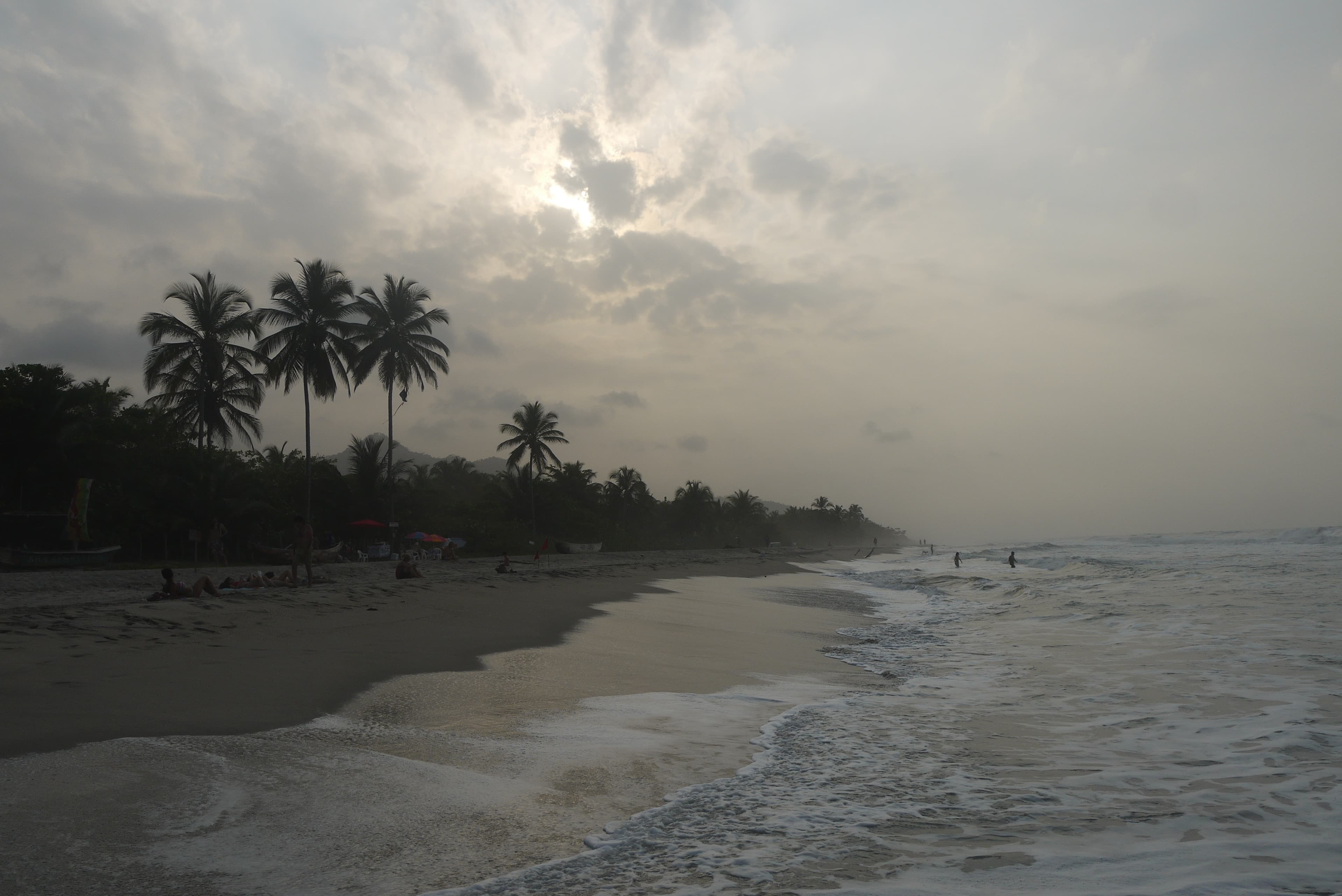
Palomino es el pueblo playero alternativo y bohemio al noreste de Santa Marta, respaldado por la Sierra Nevada y frente a una larga playa salvaje donde el río Palomino desemboca en el mar Caribe. Famoso por el tubing fluvial, atrae a mochileros, yoguis, nómadas digitales y a cualquiera que busque un ritmo más lento. La playa es dramática y en gran parte sin desarrollar.
Mejor época: December–March and July–August (dry seasons)
Cómo llegar: Buses leave from Santa Marta's central market (Mercado) heading toward Riohacha — tell the driver you want Palomino (~1.5 hrs, ~10,000–15,000 COP). Mototaxis cover the final stretch to the beach.
Tip local: River tubing tours run from the inland river mouth to the sea — most hostels organize them. The beach can have strong currents; always check conditions before swimming.
Advertencias: Ocean currents can be strong — swim with caution • The beach is not patrolled; keep valuables secured at your accommodation
Acceso fácilA menudo considerada la playa más hermosa cerca de Santa Marta, Playa Cristal (también conocida como Playa Arenilla) debe su nombre a sus aguas excepcionalmente claras y tranquilas, ideales para el snorkel en arrecifes de coral vibrantes. Está en el sector Neguanje de Tayrona y se llega en barco desde Taganga (~45 minutos). El aforo diario está limitado a 300 personas.
Mejor época: Weekdays, early morning arrival; avoid high season weekends
Cómo llegar: Boat from Taganga (departs ~9 AM, returns ~4 PM, ~80,000 COP return per person). Also accessible overland via the Neguanje entrance, though road conditions can be poor.
Tip local: Only 300 visitors allowed per day — arrive at the Taganga dock early to secure a spot. The boat ride can be bumpy in windy conditions (December–March trade wind season).
Advertencias: Daily visitor cap of 300 means you may be turned away on busy weekends • Boat rides can be rough during the windy season (Dec–Mar)
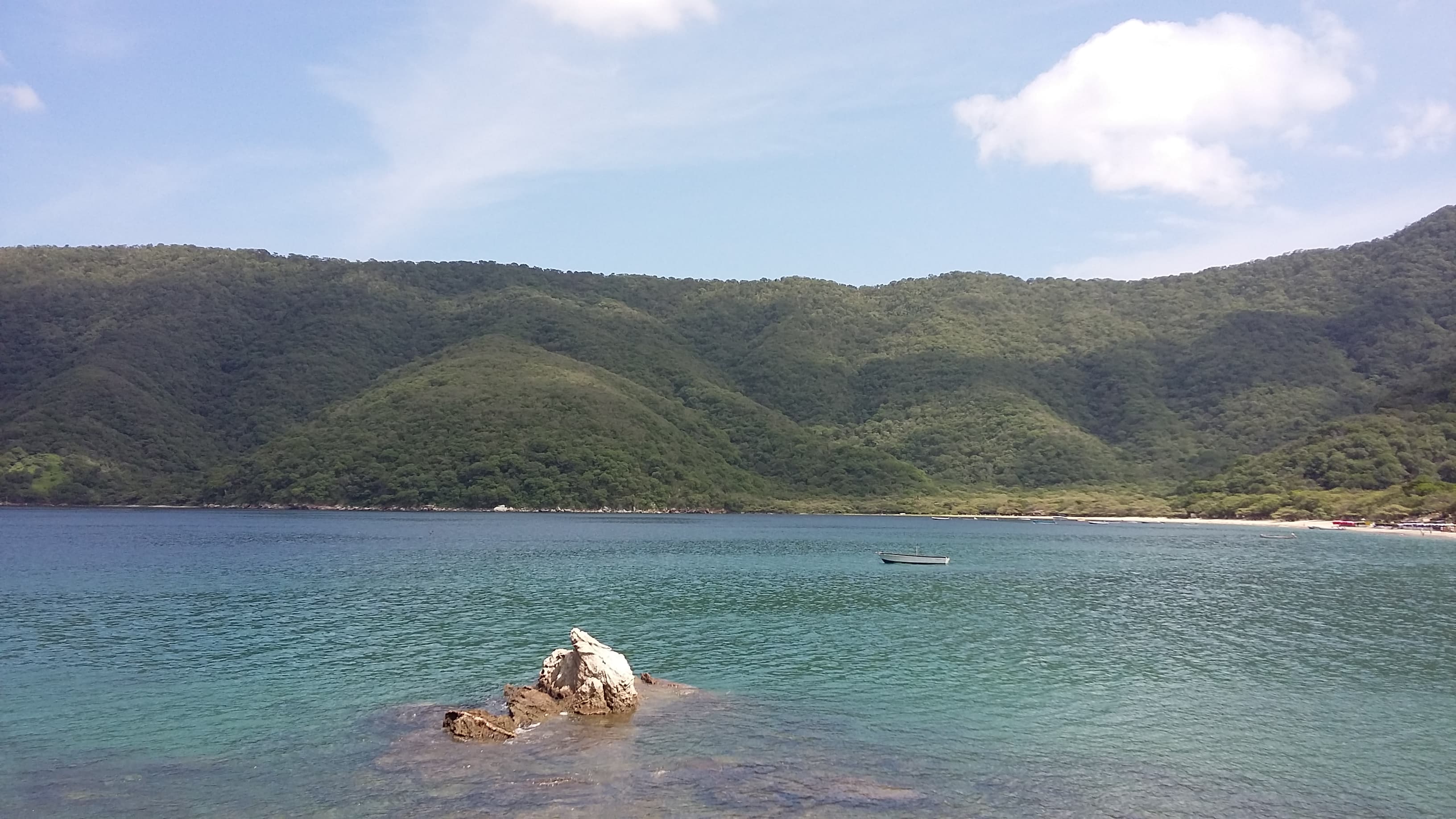
Caminata difícilCabo San Juan del Guía es la playa más icónica del Tayrona: un promontorio rocoso con un campamento de hamacas sobre dos calas contrastantes. Un lado es tranquilo, el otro es salvaje con olas. Para llegar se necesita una caminata de 2 horas desde El Zaino o un barco de 45 minutos desde Taganga. Dormir aquí en hamaca, con monos aulladores y la Vía Láctea, es una experiencia de lista de deseos.
Mejor época: Overnight stays are best December–April; arrive before 10:30 AM to claim a shady spot
Cómo llegar: Bus to El Zaino entrance from Santa Marta (~9,000 COP), then 2-hour jungle hike to the beach. Or boat from Taganga (~90,000 COP return, 45 min).
Tip local: Hammocks on the open-air peninsula hut have better views and breeze than those on land, but can be cold and windy at night — bring a light layer. Book your hammock spot in person at the El Zaino entrance desk on arrival (cannot be reserved online).
Advertencias: One cove has dangerous surf and riptides — only swim in the designated calm cove • Hammocks and tents cannot be booked online and sell out fast during peak season • No ATMs in the park — bring sufficient cash
 Acceso fácil
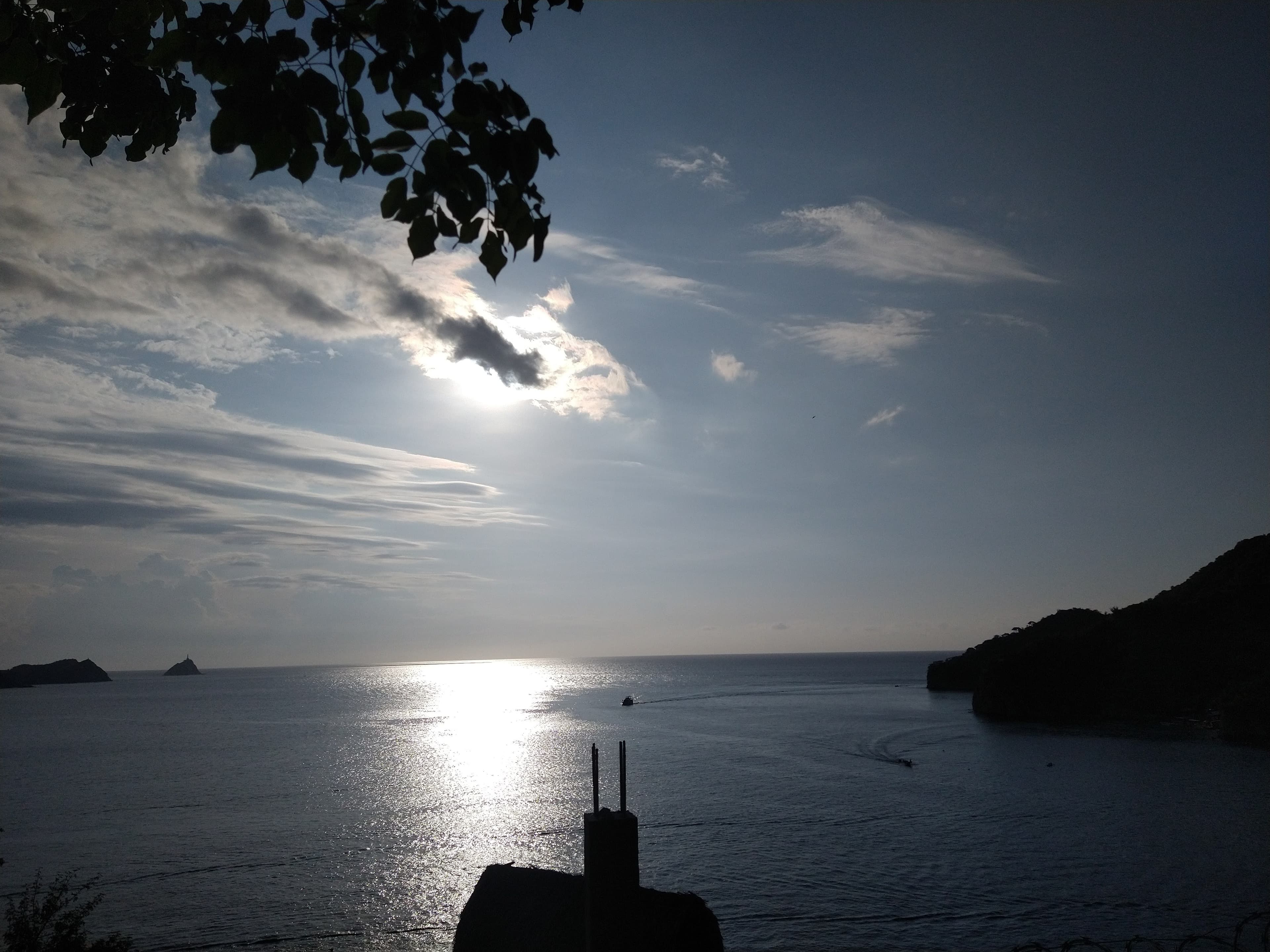
Bahía Concha es la playa de Tayrona más cercana a Santa Marta: una amplia bahía con arena blanca, agua cristalina y acantilados dramáticos enmarcados por vegetación exuberante. Es muy popular entre los locales los fines de semana y es una de las pocas playas de la zona donde se puede acampar en la arena. El buceo de superficie es excelente, especialmente cerca de los bordes rocosos de la bahía.
Mejor época: Weekdays; popular with locals on weekends
Cómo llegar: Take a buseta from Avenida 5ta and Calle 14 (Bastidas) to the end of the line, then a motorcycle taxi (~5 min) to the beach entrance.
Tip local: Because it has its own separate entrance from the main Zaino sector, Bahía Concha is usually easier for a quick day trip than deeper Tayrona beaches. Bring your own food if you want to keep costs down.
Advertencias: Check current access restrictions before visiting • Bring your own water and sun protection
 Acceso fácil
Playa Grande es la joya escondida justo al otro lado de la colina del pueblo pesquero de Taganga: a 20 minutos a pie (o 5 en lancha) de la playa principal de Taganga. A diferencia de la abarrotada bahía de Taganga, Playa Grande es genuinamente hermosa: una larga y amplia franja de arena caribeña con agua clara apta para el snorkel y el kayak, con varios restaurantes y bares de playa.
Mejor época: Weekday afternoons; avoid holiday weekends
Cómo llegar: Take bus or taxi to Taganga (~15–20 min from Santa Marta center), then either walk over the hill trail (~20 min) or take a short boat ride from the Taganga dock (~5 min).
Tip local: The hill walk from Taganga offers excellent views of both bays. Calmer and cleaner water than Taganga's main beach.
Advertencias: Can get crowded on weekends with both tourists and locals
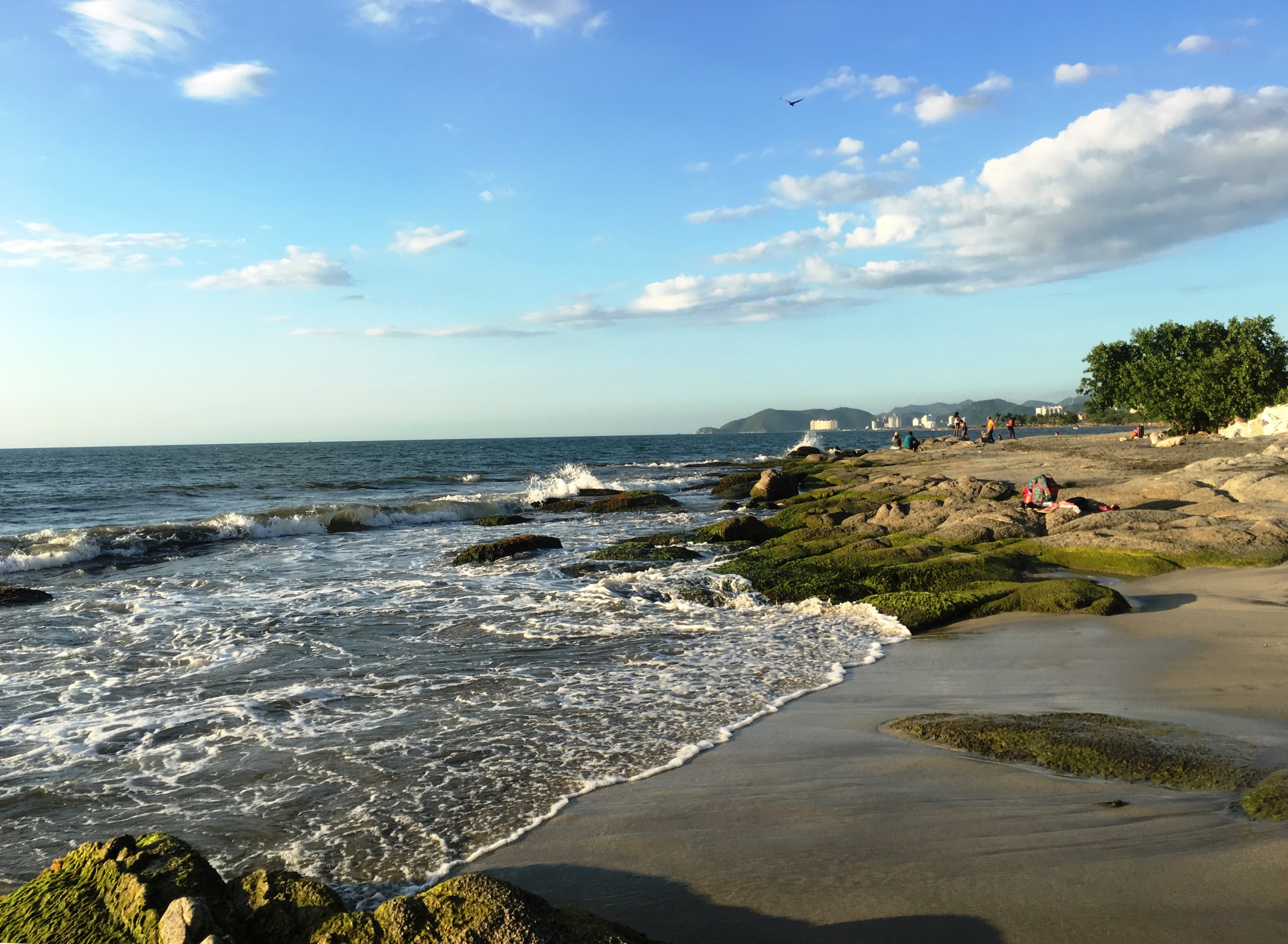 Acceso fácil
Bello Horizonte es una de las principales zonas de playa tipo resort al occidente del centro de Santa Marta, más cerca del aeropuerto y por lo general más tranquila que El Rodadero. La playa es amplia y abierta, con torres residenciales, hoteles familiares y un ambiente más residencial que el núcleo turístico más concurrido.
Mejor época: Early mornings and weekday afternoons
Cómo llegar: Taxi or rideshare from central Santa Marta (~20–30 min depending on traffic). Also reachable by bus along the airport corridor.
Tip local: Pick Bello Horizonte if you want a quieter beachfront base with long walkable sand and easy airport access, then taxi into busier areas when you want restaurants or nightlife.
Advertencias: Can feel exposed in midday sun — shade is limited outside hotel areas • Less of a classic old-town atmosphere than beaches closer to central Santa Marta
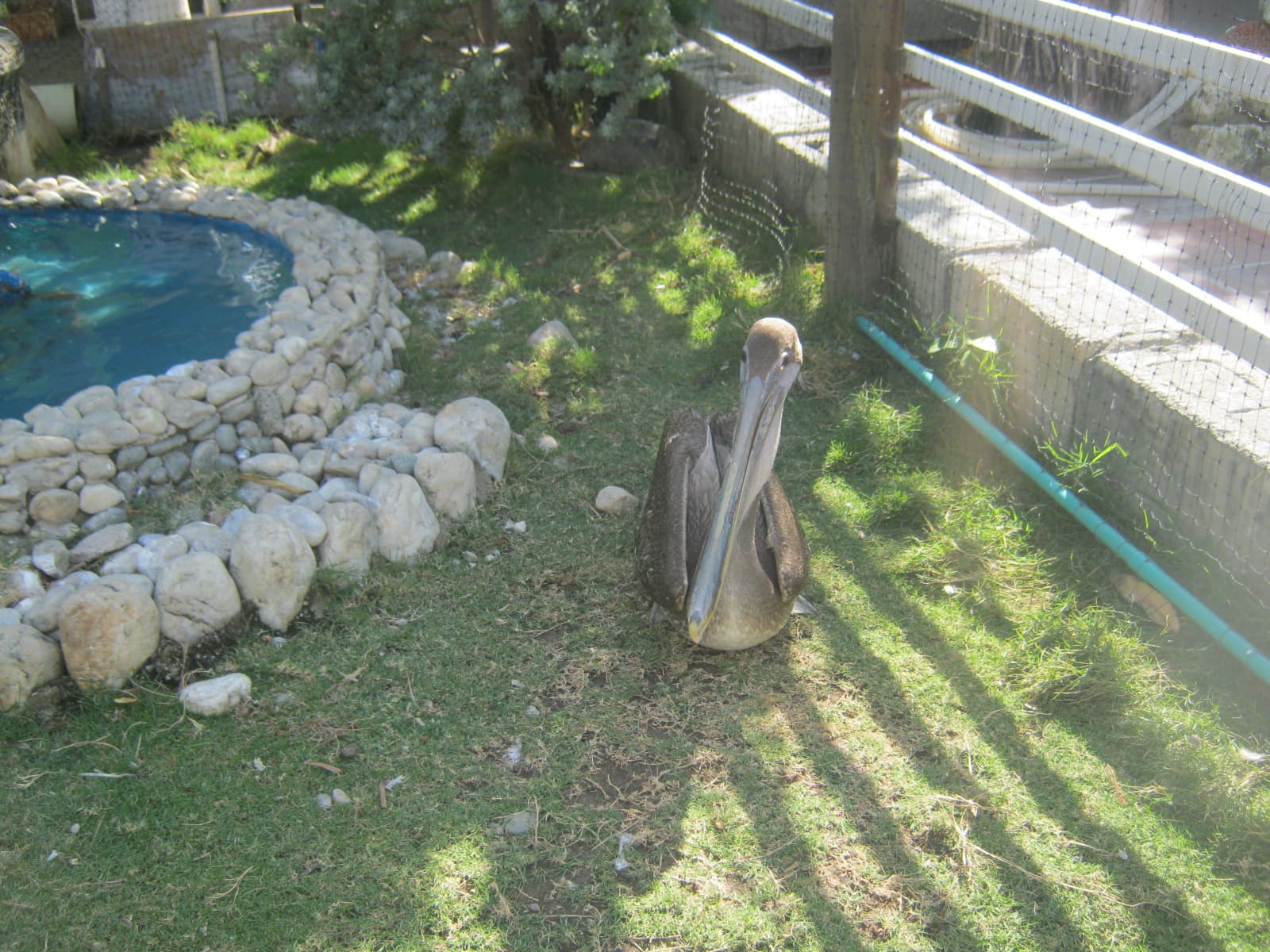 Acceso fácil
Pozos Colorados es una de las omisiones más claras de tu lista actual. Se ubica entre Rodadero y el corredor del aeropuerto y es conocida por su desarrollo frente al mar más tranquilo y exclusivo, su arena amplia y un ritmo más relajado que el de las playas urbanas más conocidas de Santa Marta.
Mejor época: Weekdays and shoulder season mornings
Cómo llegar: Quick taxi ride from Rodadero or central Santa Marta. Many beachfront hotels sit directly on this stretch.
Tip local: Choose Pozos Colorados when your priority is a calmer resort stretch; stay here for quieter nights and use short taxi rides for Rodadero and the historic center.
Advertencias: Some sections feel more private or hotel-controlled than public-beach stretches • Can get windy in the trade-wind season
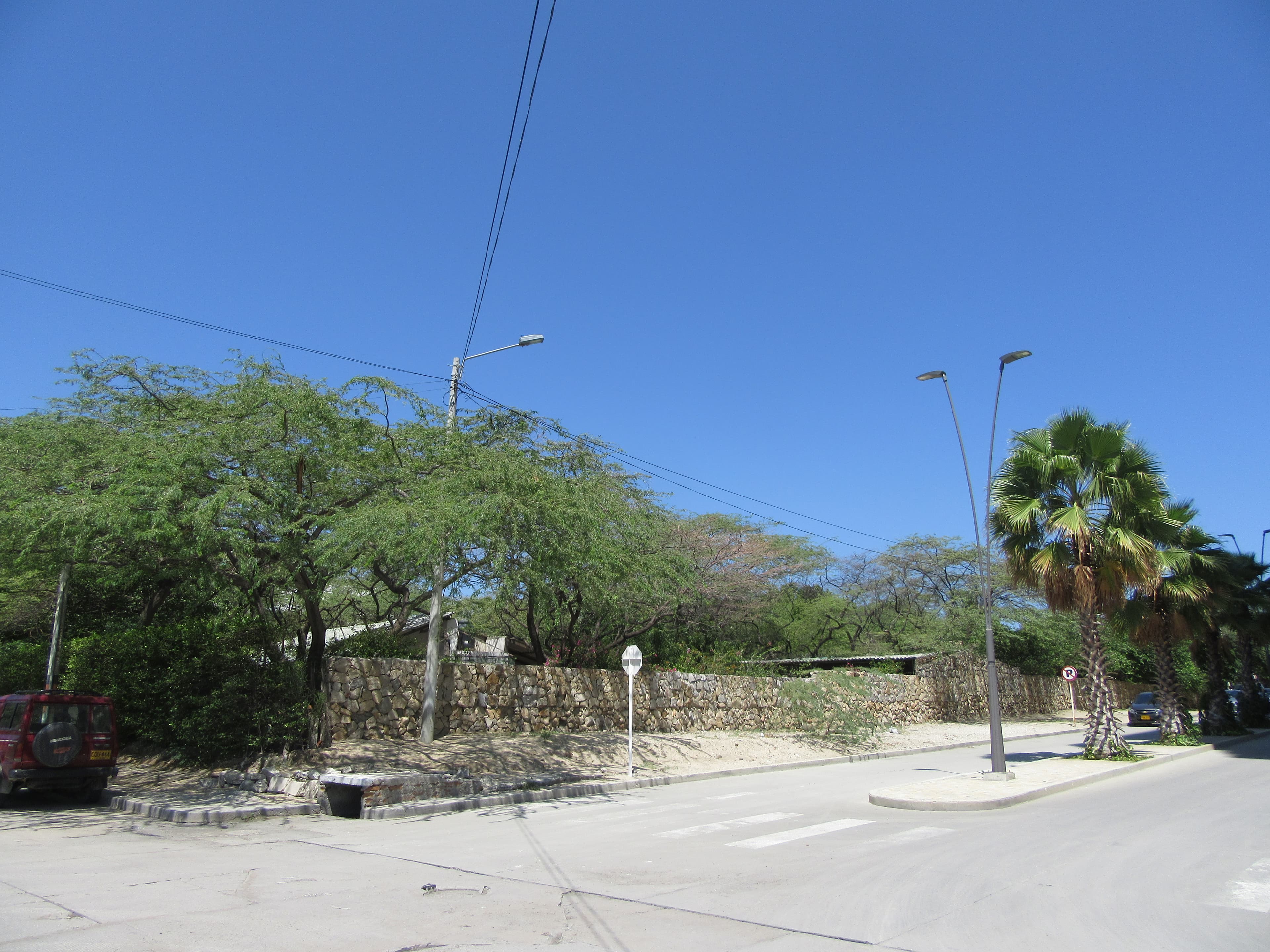 Acceso fácil
Playa Salguero está justo al sur de Rodadero y muchas veces se percibe como una extensión más tranquila de la misma zona costera. Suele atraer a viajeros que quieren estar cerca de los restaurantes y servicios de Rodadero sin quedar en pleno centro de sus multitudes.
Mejor época: Weekday mornings
Cómo llegar: Walk, taxi, or short drive from Rodadero. Very easy to combine with Rodadero-area stays.
Tip local: Use Salguero as a practical stay area: you get a quieter beach vibe while keeping Rodadero restaurants and services within a short ride.
Advertencias: Less lively than Rodadero if travelers want activity and nightlife • Some stretches are more residential than scenic
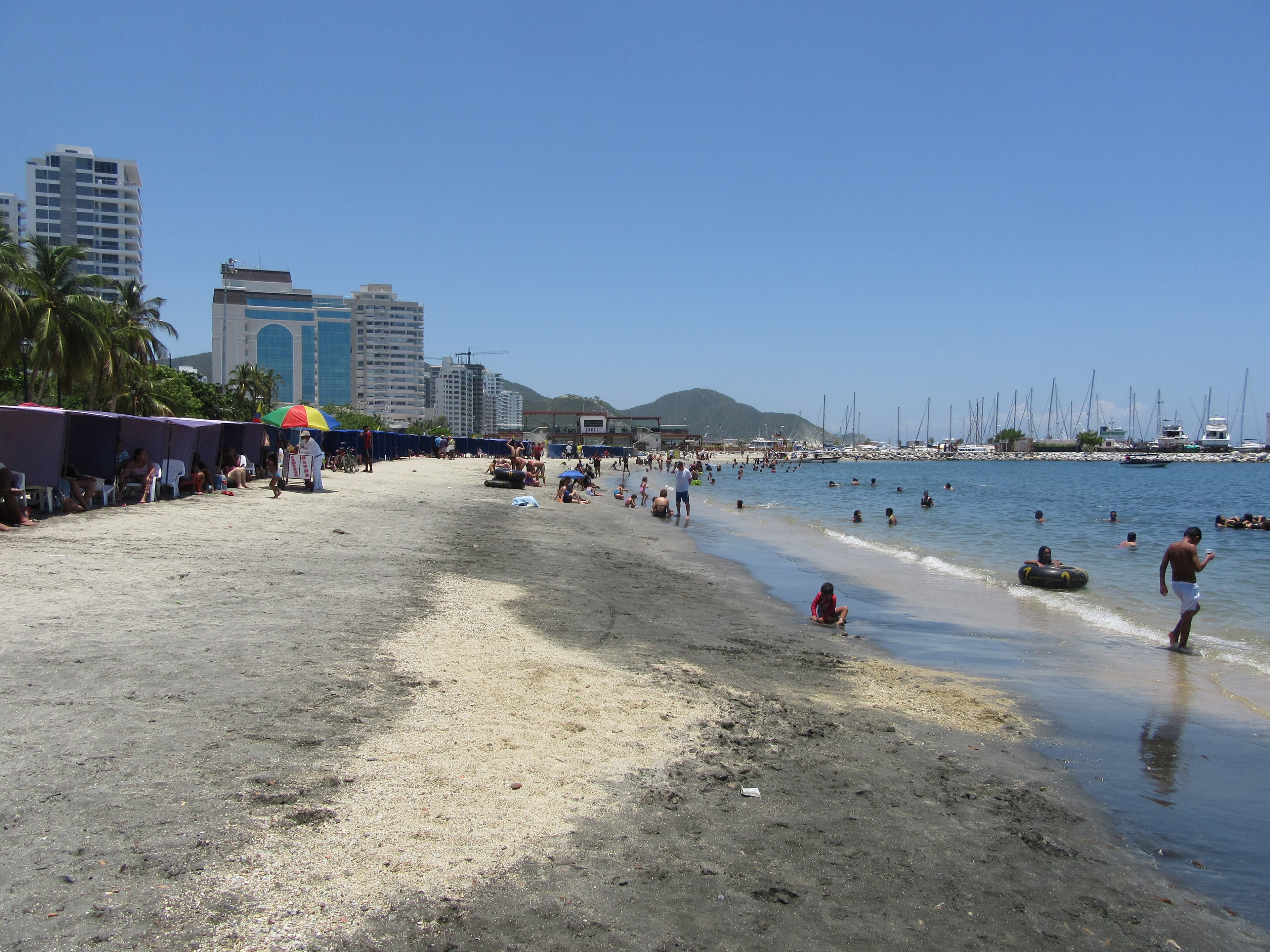 Acceso fácil
Playa Los Cocos es una playa pequeña y a menudo pasada por alto cerca de la bahía de Santa Marta y la zona de la marina. Funciona más como una franja urbana local que como una playa-destino, pero aun así forma parte del mapa costero de Santa Marta y vale la pena incluirla por completitud.
Mejor época: Sunrise or late afternoon
Cómo llegar: Short taxi ride, walk, or bike ride from the historic center depending on where you're staying.
Tip local: Treat Los Cocos as a short city-beach stop for sunrise or sunset, not your main all-day swim beach.
Advertencias: Not as scenic or swimmable as Tayrona or the better resort beaches • Urban beach conditions vary
 Acceso fácil
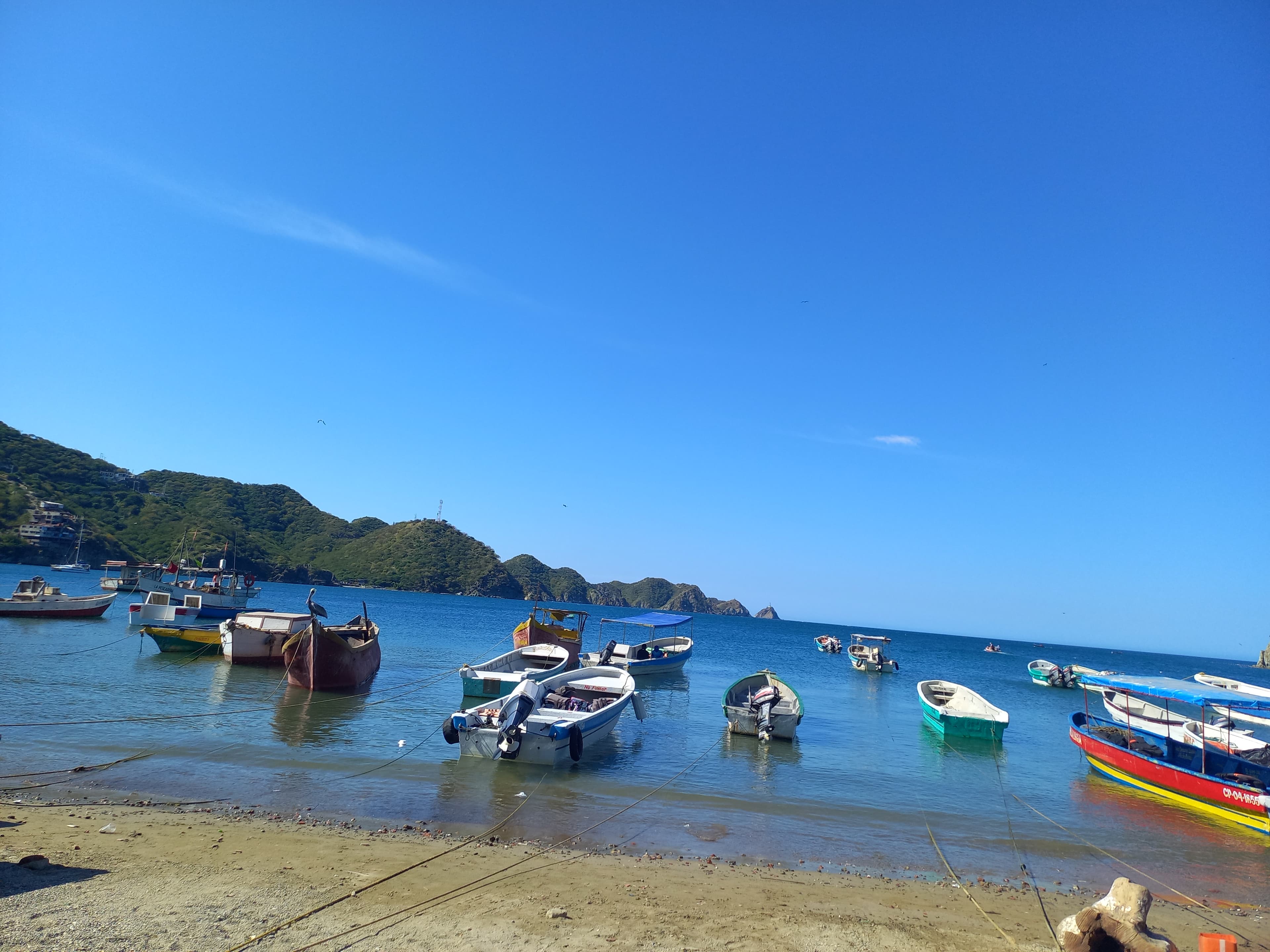
La playa principal de Taganga es más importante como punto de salida, pueblo de buceo y centro mochilero que como la mejor playa para nadar de la región. Aun así, definitivamente debe estar en un dataset completo de playas de Santa Marta. Es una bahía compacta rodeada de lanchas, escuelas de buceo, hostales y restaurantes de mariscos.
Mejor época: Late afternoon for atmosphere, not peak midday for swimming
Cómo llegar: Frequent bus, taxi, or motorcycle taxi from Santa Marta center.
Tip local: Use Taganga for dive shops, boat departures, and budget lodging, then move to nearby coves for a cleaner beach day.
Advertencias: Water quality and beach cleanliness can be less appealing than nearby alternatives • Can get noisy and crowded on weekends
 Acceso fácil
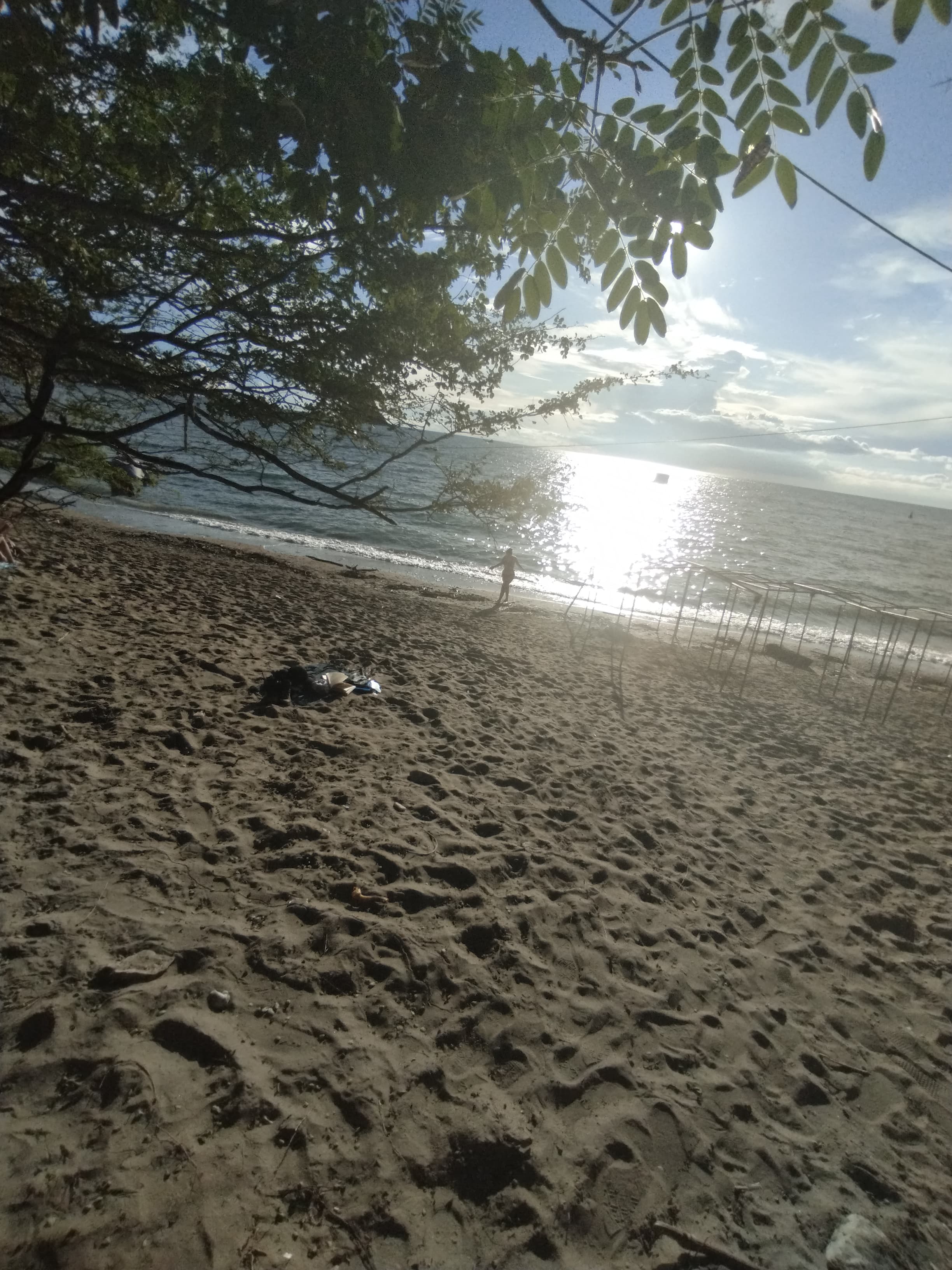
Inca Inca es una playa tipo cala más pequeña entre la zona de Rodadero y algunas rutas costeras en lancha, a menudo descrita localmente como una opción más tranquila y apartada para pasar el día. Es útil en una guía porque muchos visitantes oyen de ella por tours locales o beach clubs, no tanto por grandes guías de viaje.
Mejor época: Weekdays
Cómo llegar: Best reached via local transport or arranged day-trip logistics depending on where you're staying.
Tip local: Go on a weekday if you want a calmer cove feel near Rodadero without committing to a full Tayrona day.
Advertencias: Facilities vary depending on the operator or day-use setup • Less plug-and-play than Rodadero or Bello Horizonte
 Caminata moderada
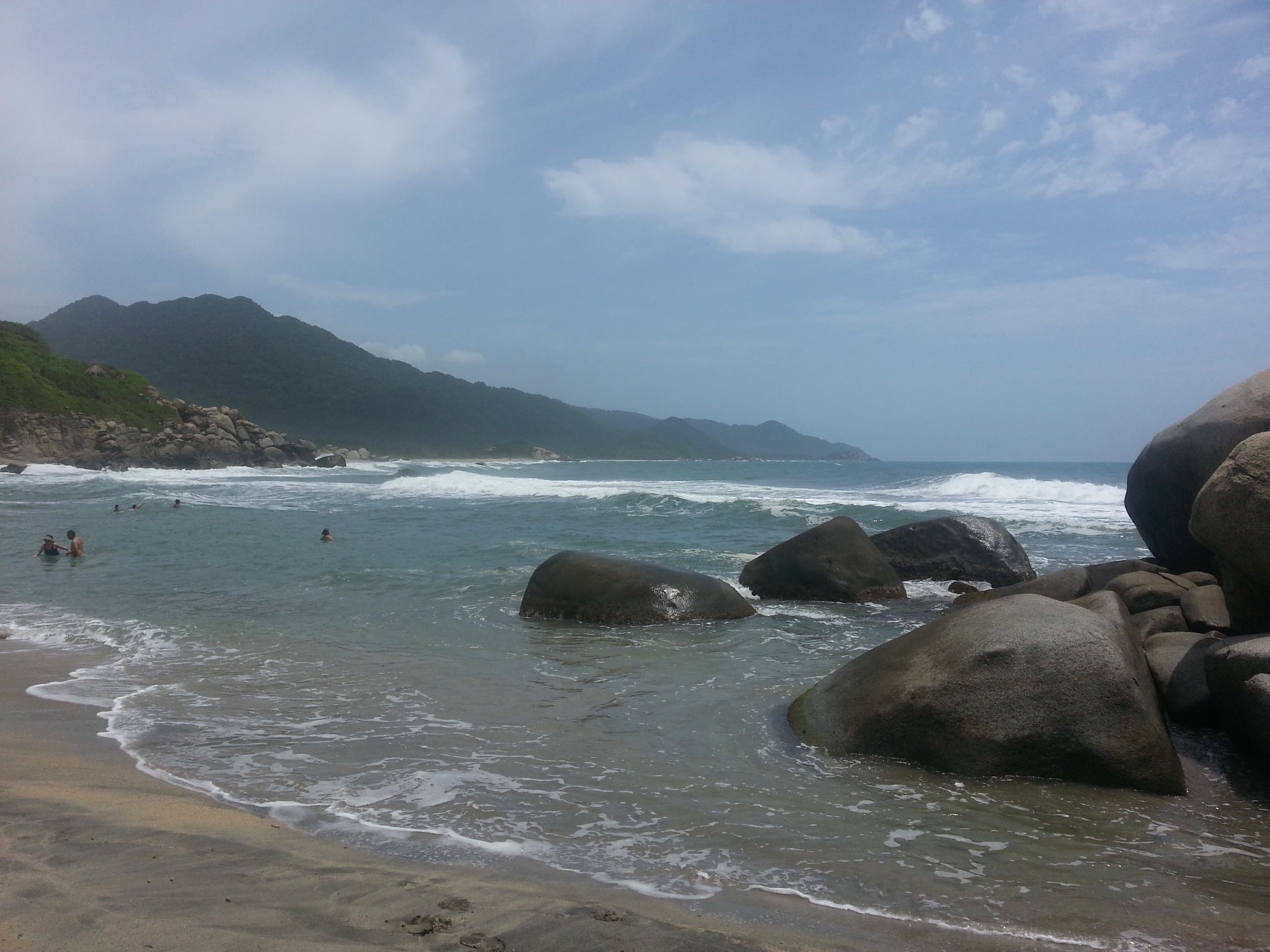
Cañaveral es uno de los primeros grandes sectores costeros a los que se llega desde la entrada de Zaino en Tayrona. Es una playa visualmente impactante, rodeada de vegetación densa y conocida por los ecohabs y por una de las vistas más clásicas de la costa salvaje del parque.
Mejor época: Dry season mornings
Cómo llegar: Enter via El Zaino, then continue into the park by internal shuttle and walking routes.
Tip local: Plan Cañaveral as a scenic Tayrona route stop for photos and coastline views, not as a relaxed swim session.
Advertencias: Surf can be dangerous • Swimming conditions are often not the main draw here
 Caminata moderada
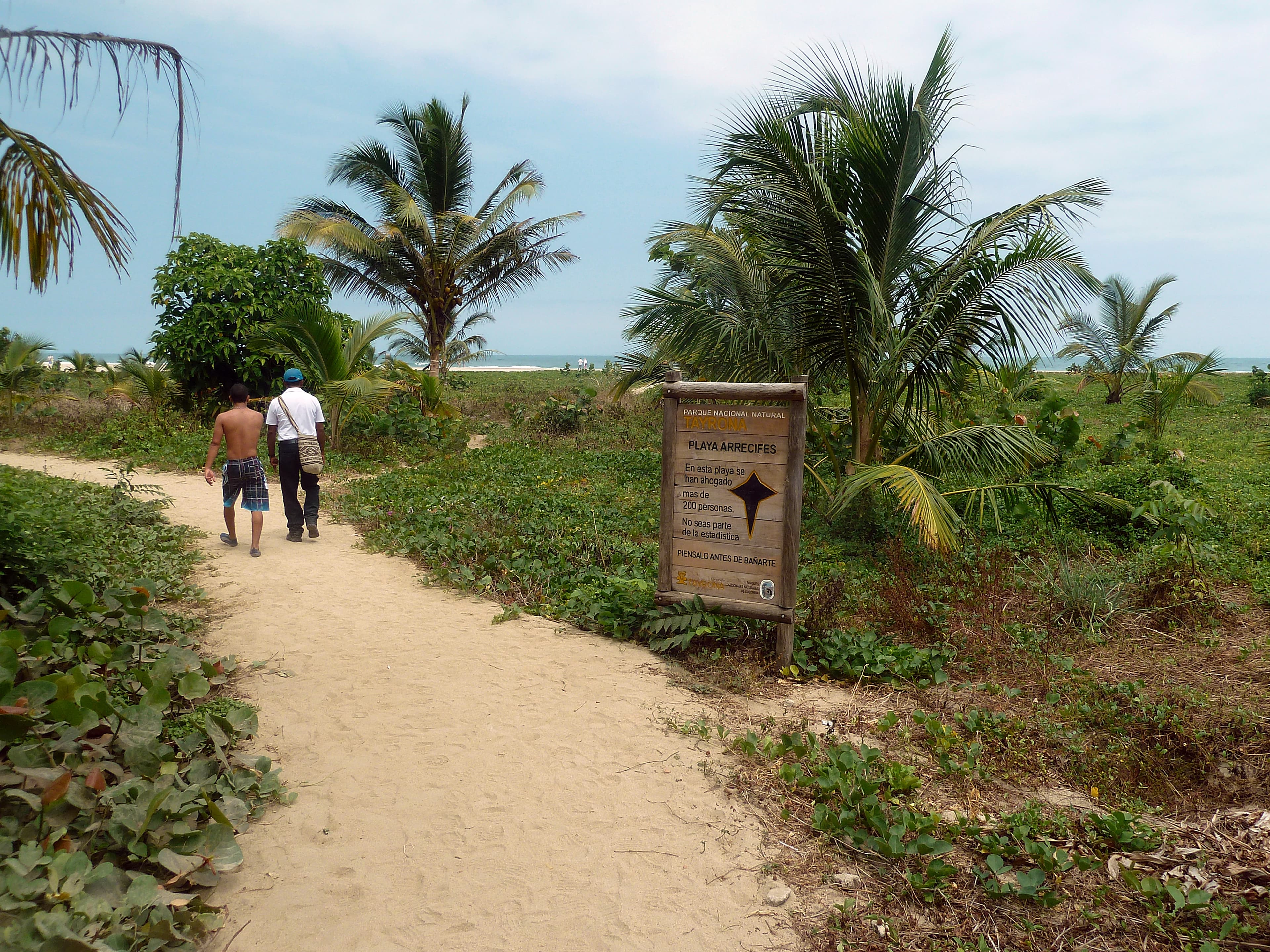
Arrecifes es una de las playas con nombre más conocidas del Tayrona y una omisión importante en tu arreglo actual. Es uno de los sectores de playa más grandes en la ruta clásica desde Zaino, con una orilla abierta, dramática y de fuerte oleaje. Es famosa por su paisaje, pero no es una playa para nadar con tranquilidad.
Mejor época: Morning during a Tayrona hike
Cómo llegar: Hike in from El Zaino along the main Tayrona coastal trail.
Tip local: Stop at Arrecifes for the iconic wild-coast view, then continue to safer swim sectors like La Piscina.
Advertencias: Not safe for swimming • Strong surf and riptides
 Caminata moderada
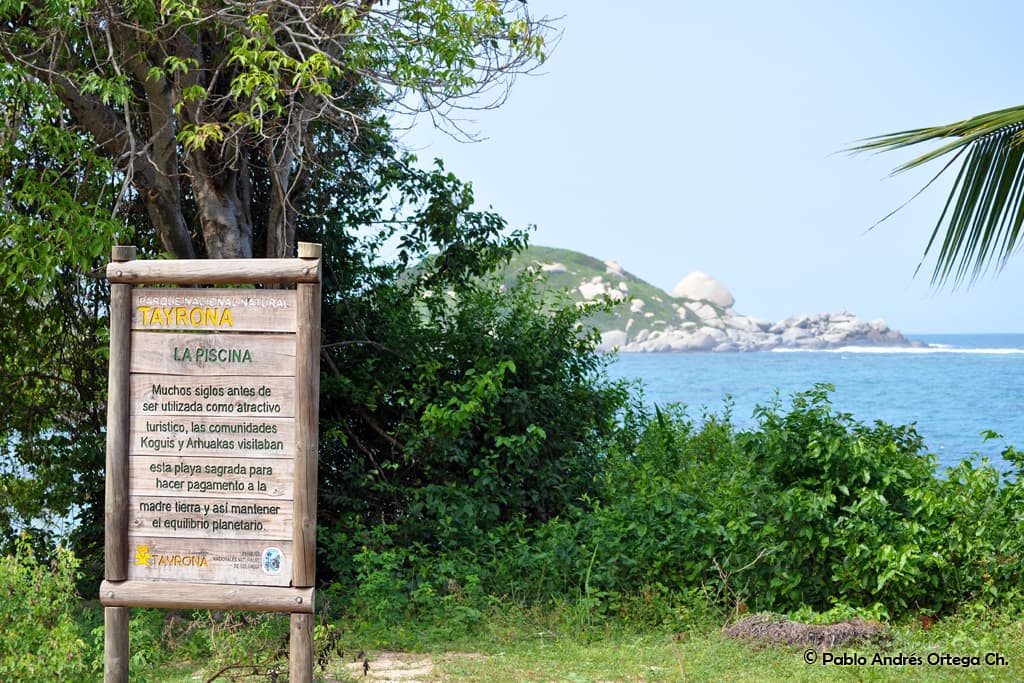
La Piscina es uno de los puntos de baño más amigables de la ruta clásica de Tayrona. Protegida por una barrera natural de rocas, es mucho más tranquila que la vecina Arrecifes y funciona como un excelente contraste en una guía de playas de Santa Marta: mar bravo alrededor, pero una zona de baño relativamente protegida aquí.
Mejor época: Late morning while hiking toward Cabo San Juan
Cómo llegar: Reach it on foot from El Zaino via the main Tayrona coastal trail.
Tip local: If you want to swim on the classic Tayrona hike, this is usually the best-known stop to prioritize over surf-heavy sectors.
Advertencias: Still check conditions before entering the water • No major overnight infrastructure directly on the beach
 Caminata difícil
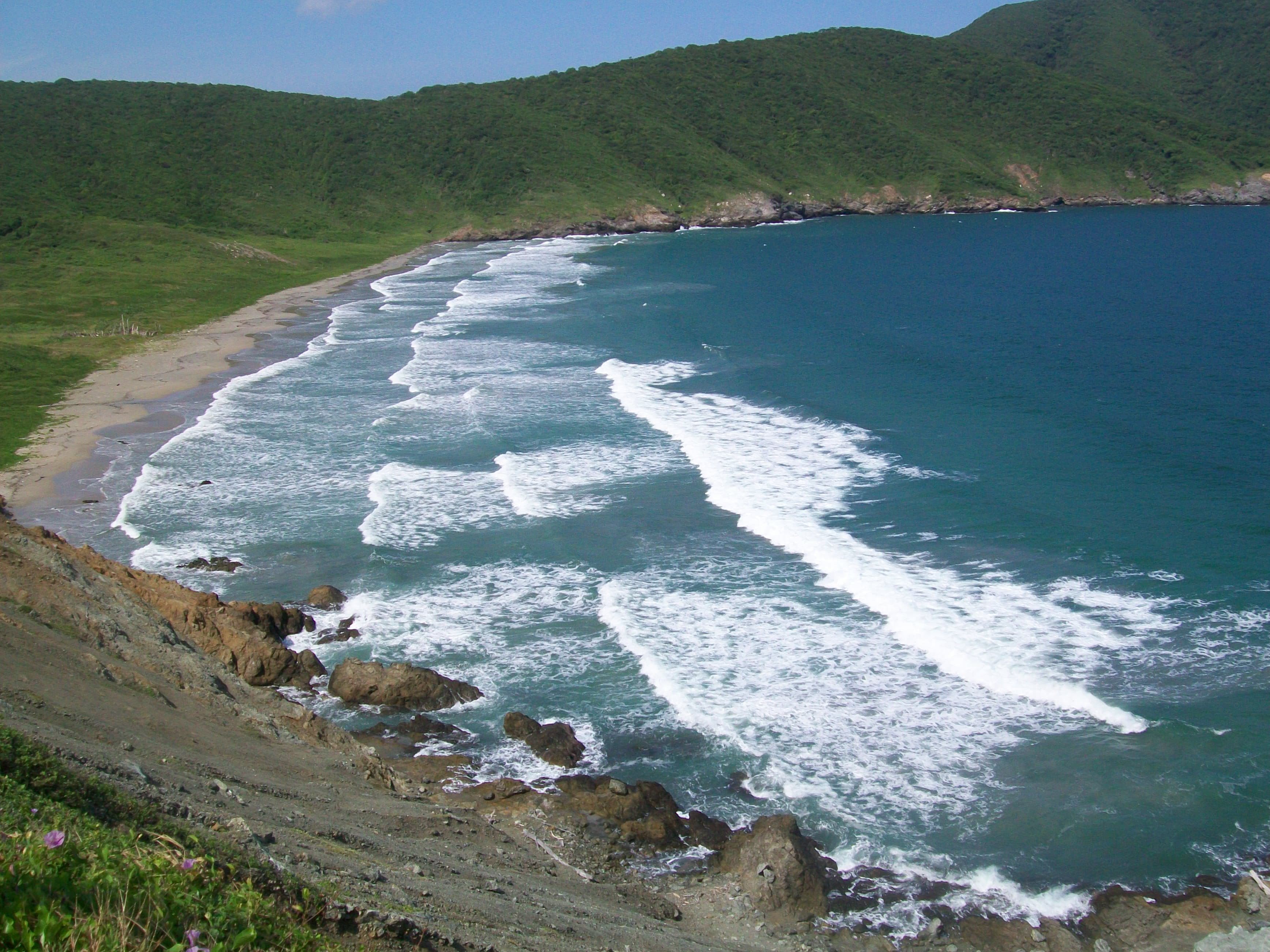
Playa Brava es una de las playas más remotas y menos casuales del Tayrona, normalmente accesible por la ruta de Calabazo y no por el circuito estándar de Zaino. Es ideal para senderistas y viajeros que buscan una experiencia más aislada y dramática, con menos gente y más esfuerzo.
Mejor época: Dry season with an early start
Cómo llegar: Access via the Calabazo entrance and hike in through the forested trail network.
Tip local: Only choose Playa Brava if you want a longer hike and a quieter, more remote Tayrona day with limited services.
Advertencias: Longer access hike • Conditions and services are more limited than the main Tayrona route
 Acceso fácil
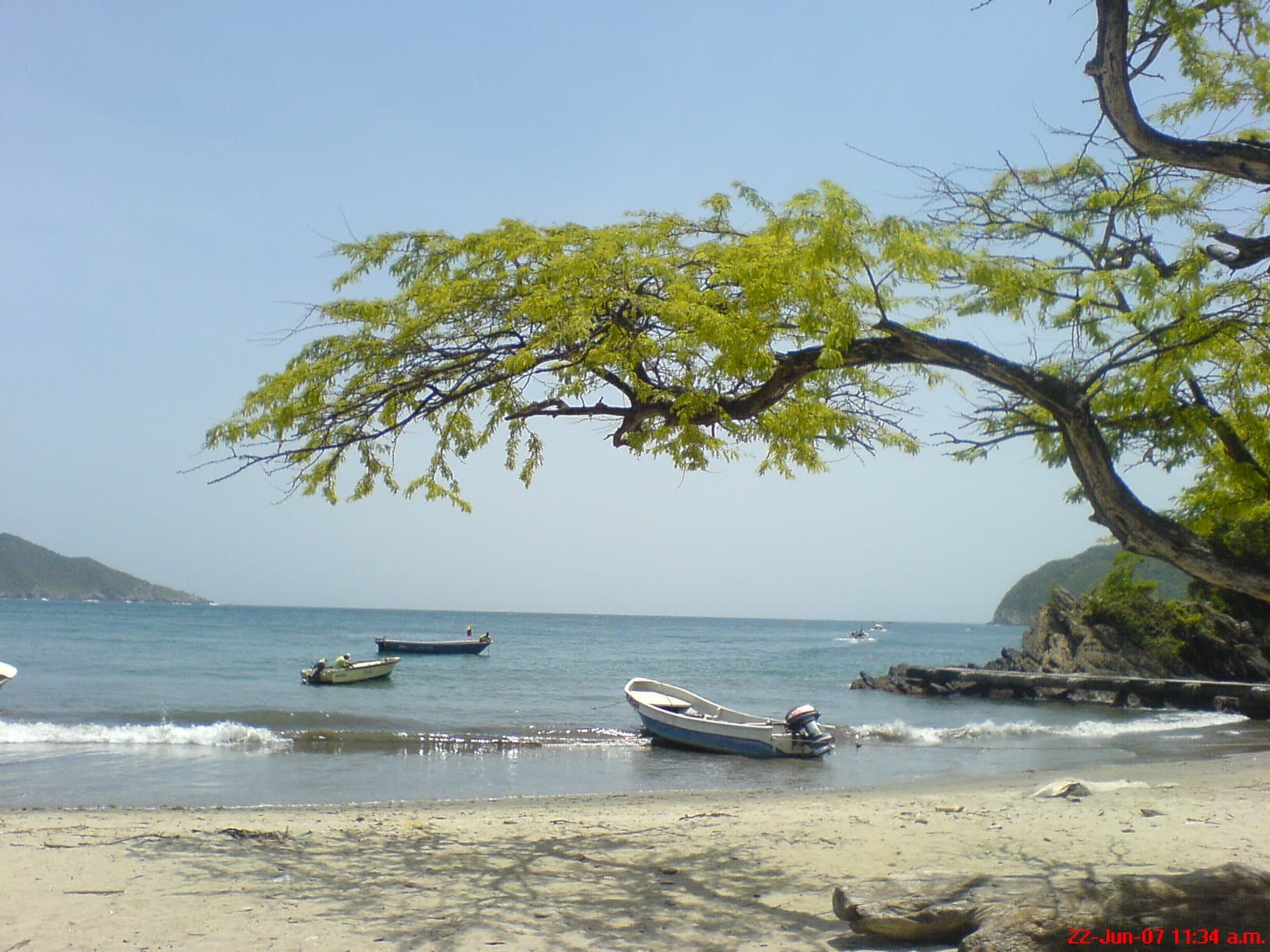
Neguanje es una bahía importante del Tayrona y un sector clave de transporte, incluso cuando los viajeros en realidad van rumbo a Playa Cristal. Es playa, puerta de entrada y paisaje marino al mismo tiempo, y merece su propio registro porque muchas rutas, lanchas e ingresos terrestres giran alrededor de este punto.
Mejor época: Morning departures
Cómo llegar: Access by road through the Palangana sector or as part of boat-based day trips.
Tip local: Think of Neguanje as a gateway bay: arrive early, sort logistics, and connect onward to Playa Cristal or other marine sectors.
Advertencias: Some visitors use it mainly as a transfer point rather than a full-day destination • Sun exposure is strong
 Acceso fácil
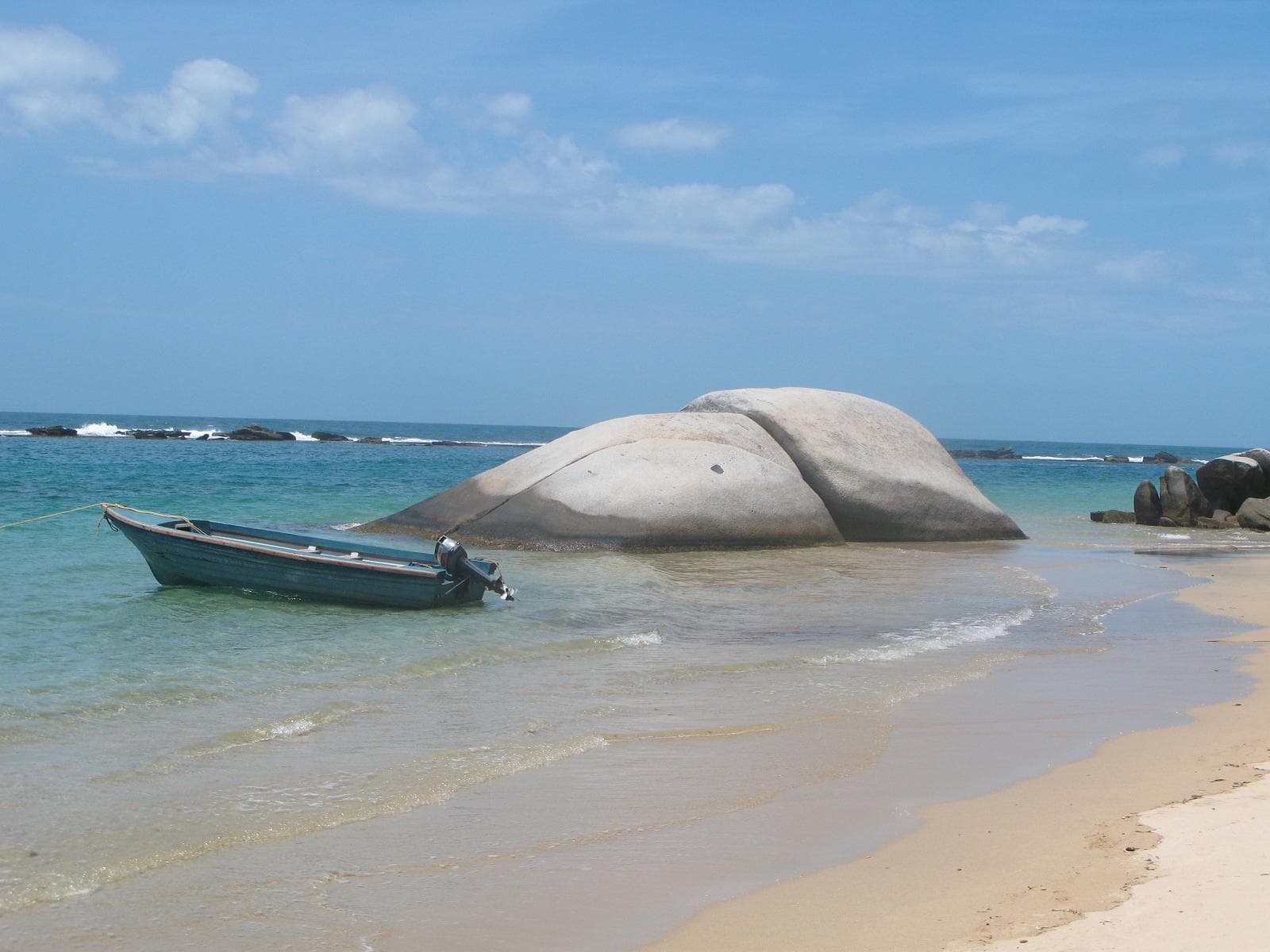
Playa Gayraca es otra playa con nombre dentro del Tayrona que suele faltar en las listas más comerciales, pero es importante para un dataset más completo. Se ubica dentro de la lógica de acceso de Palangana y funciona mejor para viajeros que buscan sectores costeros más tranquilos y menos famosos que Cabo San Juan.
Mejor época: Dry-season weekdays
Cómo llegar: Most often reached via Tayrona's Palangana-side access logistics.
Tip local: Choose Gayraca if you want a quieter Tayrona sector with fewer people than the headline trail beaches.
Advertencias: Facilities can be sparse depending on the route and season • Less frequently visited than headline Tayrona beaches
 Acceso fácil
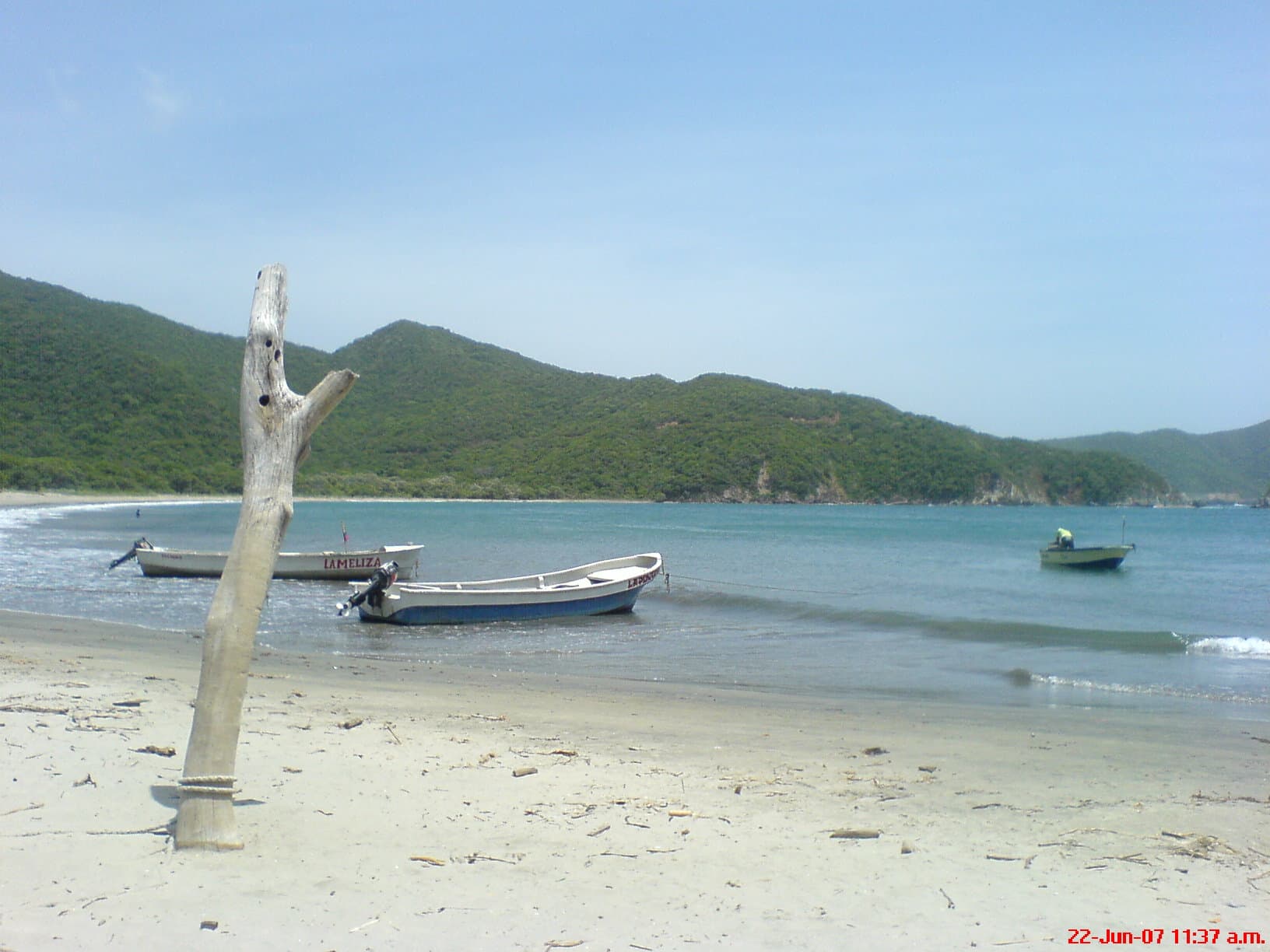
Playa del Muerto es otra playa con nombre dentro del Tayrona vinculada al lado de Palangana/Neguanje. No es tan famosa en el contenido turístico internacional, pero ayuda a completar la geografía de los sectores visitables en modalidad pasadía.
Mejor época: Morning or early afternoon
Cómo llegar: Reached through Palangana-sector access arrangements or combined coastal routes.
Tip local: Use Playa del Muerto as a lower-profile Tayrona stop when you want a calmer bay plan and are already routing through Palangana.
Advertencias: Less infrastructure and less awareness than major headline beaches
 Caminata moderada
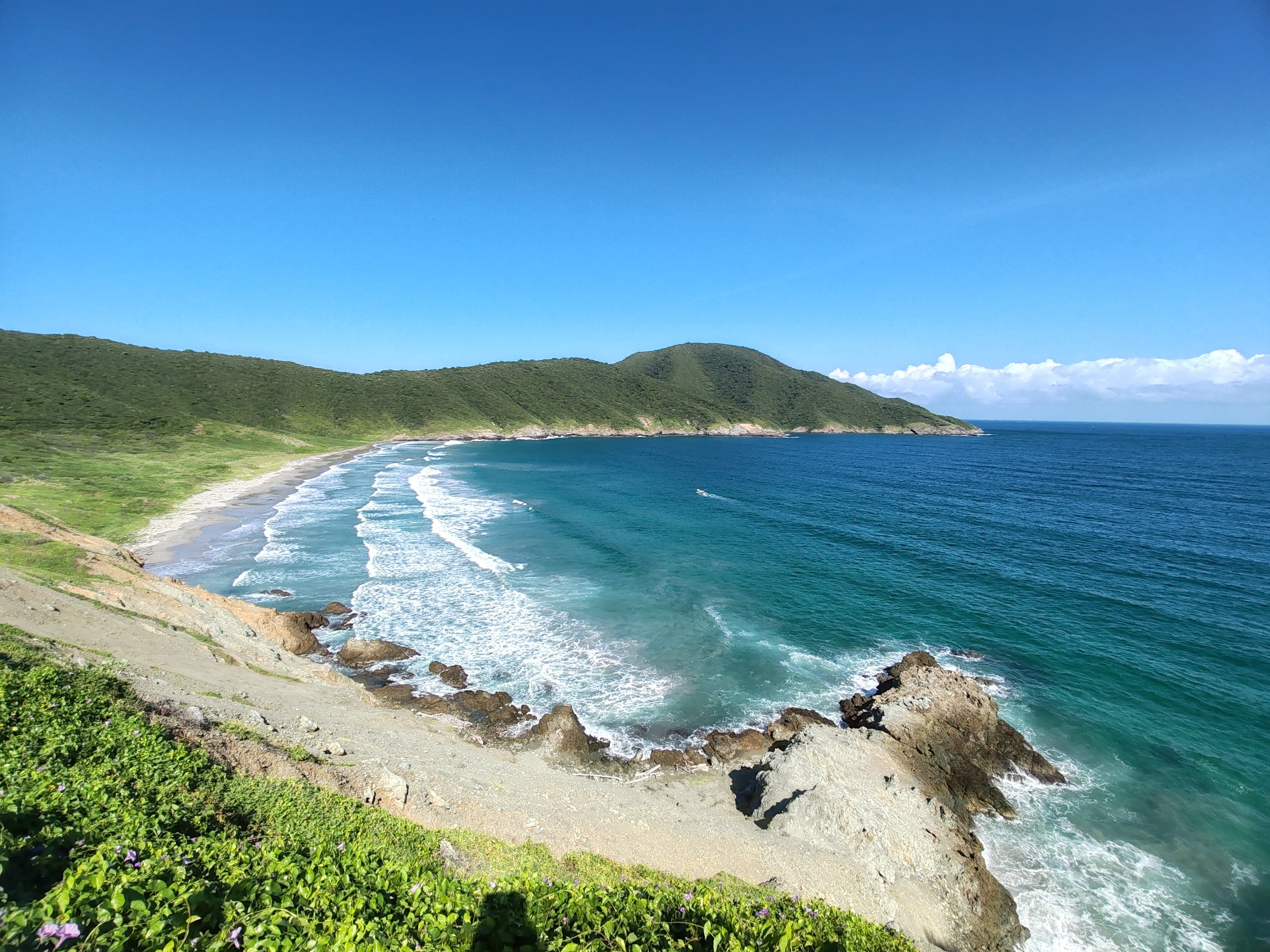
Cinto es una de las playas de acceso en lancha más codiciadas del Tayrona y una de las ausencias más claras para usuarios avanzados. Generalmente se percibe como una experiencia más remota, limpia y exclusiva, especialmente para quienes priorizan el snorkel y un ambiente menos concurrido.
Mejor época: Calm-weather mornings
Cómo llegar: Usually reached by boat from Santa Marta, Taganga, or Tayrona-side marine routes, often via the Palangana/Neguanje logistics.
Tip local: Book Cinto when sea conditions are good and you want a more remote boat-access beach with better odds of a low-crowd day.
Advertencias: Access depends on sea conditions and organized transport • Not as easy to reach as mainstream Santa Marta beaches
 Acceso fácil
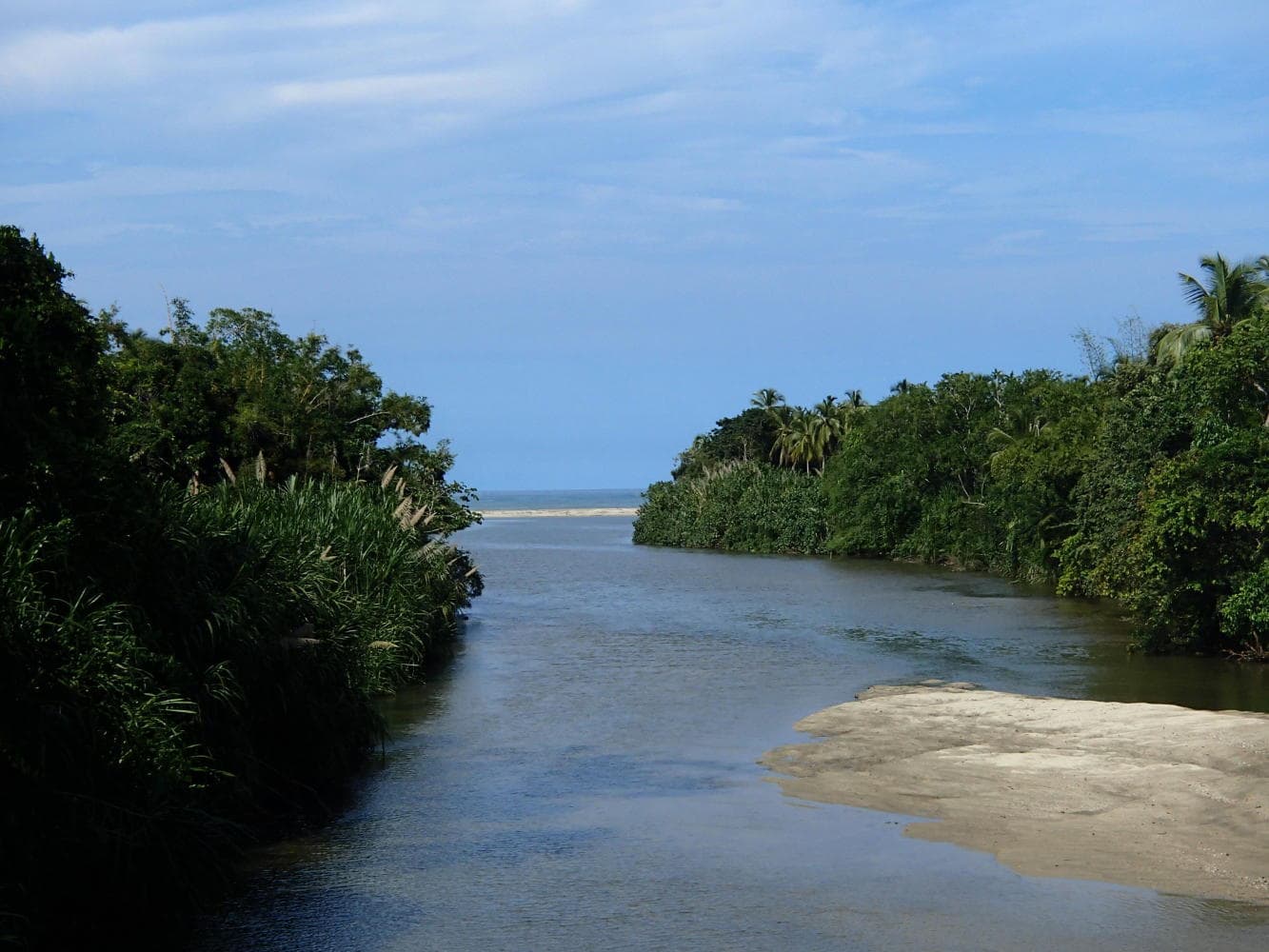
Mendihuaca es una playa de la región ampliada al oriente del Tayrona y encaja en tu dataset si ya estás incluyendo Palomino. Es conocida por sus hostales de playa, una costa más natural y un entorno donde río, selva y mar forman parte de la experiencia.
Mejor época: Dry season
Cómo llegar: Reachable by bus or car along the Troncal del Caribe toward Palomino.
Tip local: Pair Mendihuaca with an east-coast road trip day if you want a nature-heavy beach stop beyond the city circuit.
Advertencias: More spread out and less urban-service-heavy than Santa Marta city beaches
 Acceso fácil
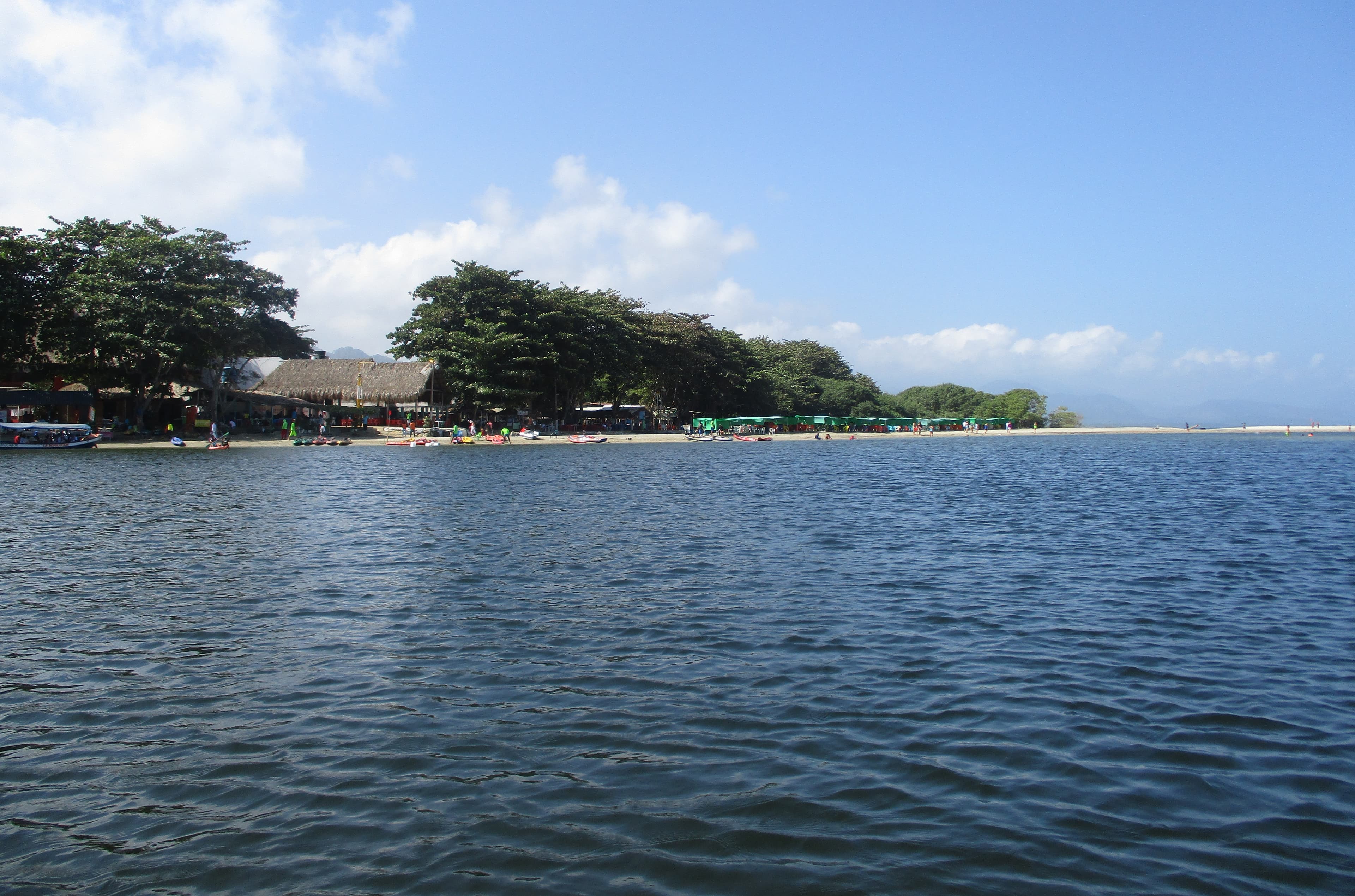
Buritaca es otra parada costera de la región ampliada que se vuelve relevante cuando tu guía crece más allá de la ciudad inmediata. Ofrece una atmósfera de playa salvaje, paisajes de desembocadura de río y una experiencia más de road trip y ecolodge que de costa urbana.
Mejor época: Dry season weekdays
Cómo llegar: Bus or private vehicle along the Troncal del Caribe east of Tayrona.
Tip local: Choose Buritaca for a wilder coast-and-river setting and a road-trip vibe rather than an urban serviced beach day.
Advertencias: More of a regional stop than a central Santa Marta beach • Conditions can feel rougher and less serviced