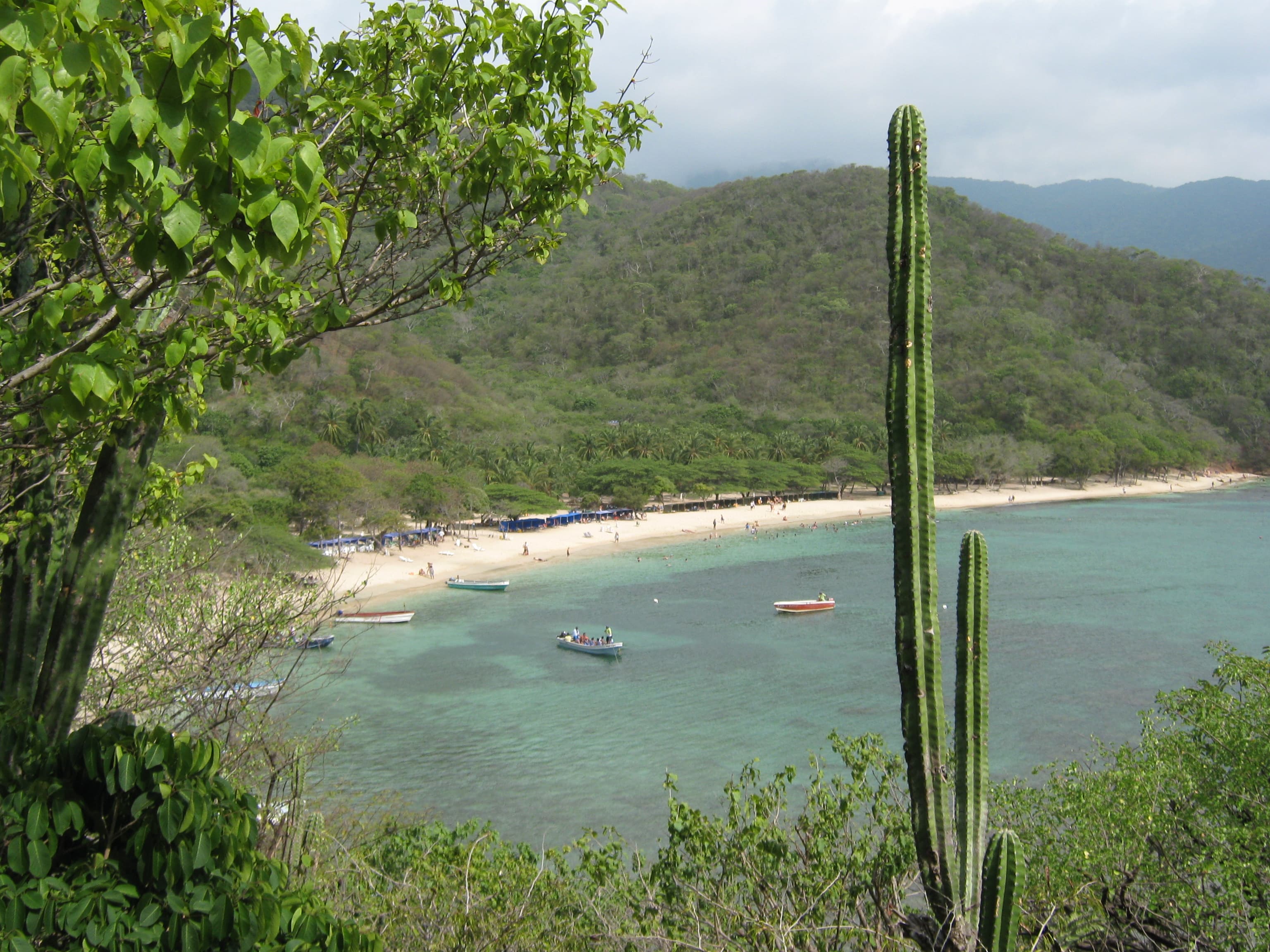
Clear-water snorkeling profile
Complete guide to the best beaches near Santa Marta, Colombia — from Tayrona to El Rodadero and Playa Blanca.
If you want a fast decision, start with live conditions, validate with water temperature plus live weather, then compare detail pages for Playa Cristal, Tayrona or Rodadero.
Clear-water snorkeling profile
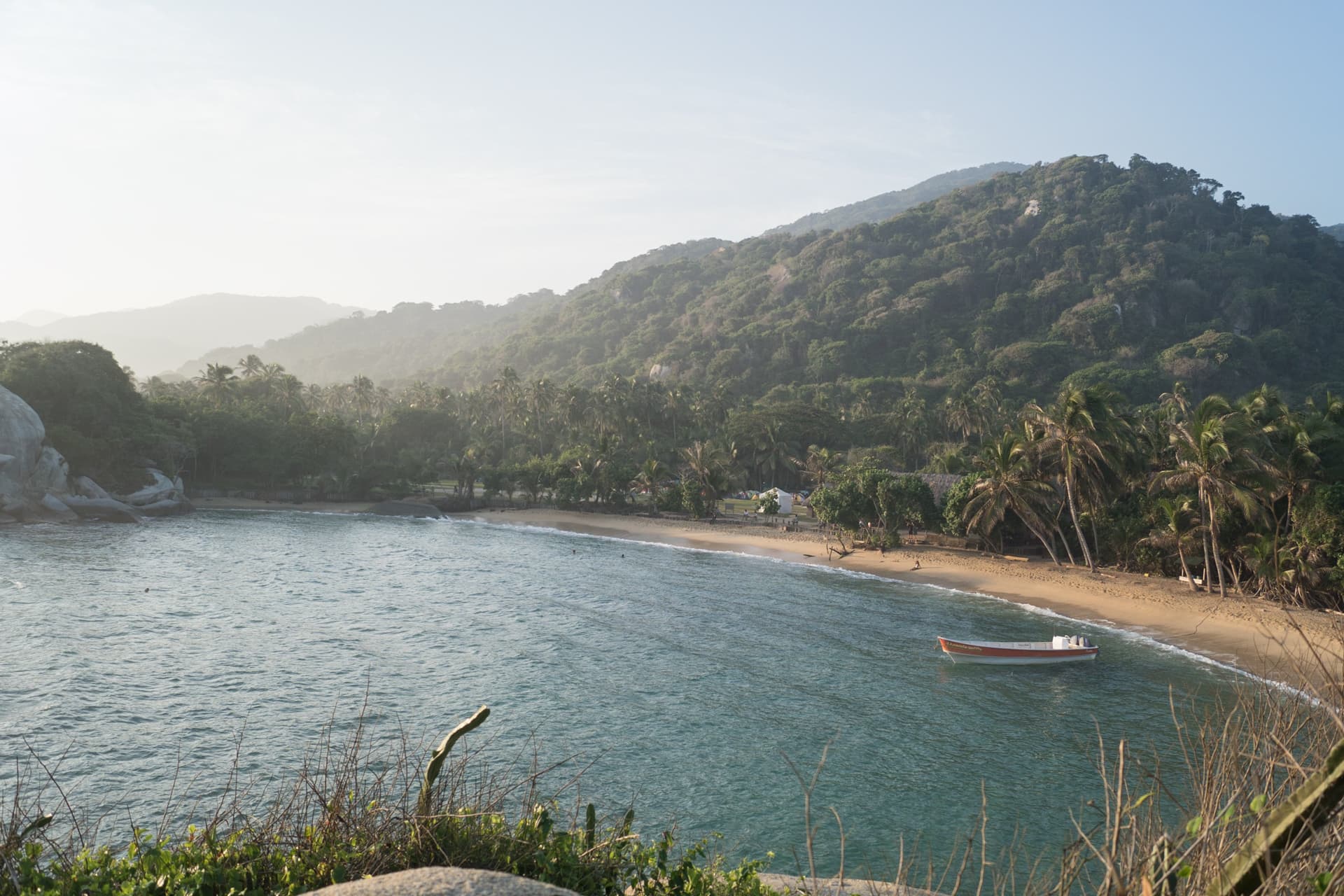
Nature + hike profile
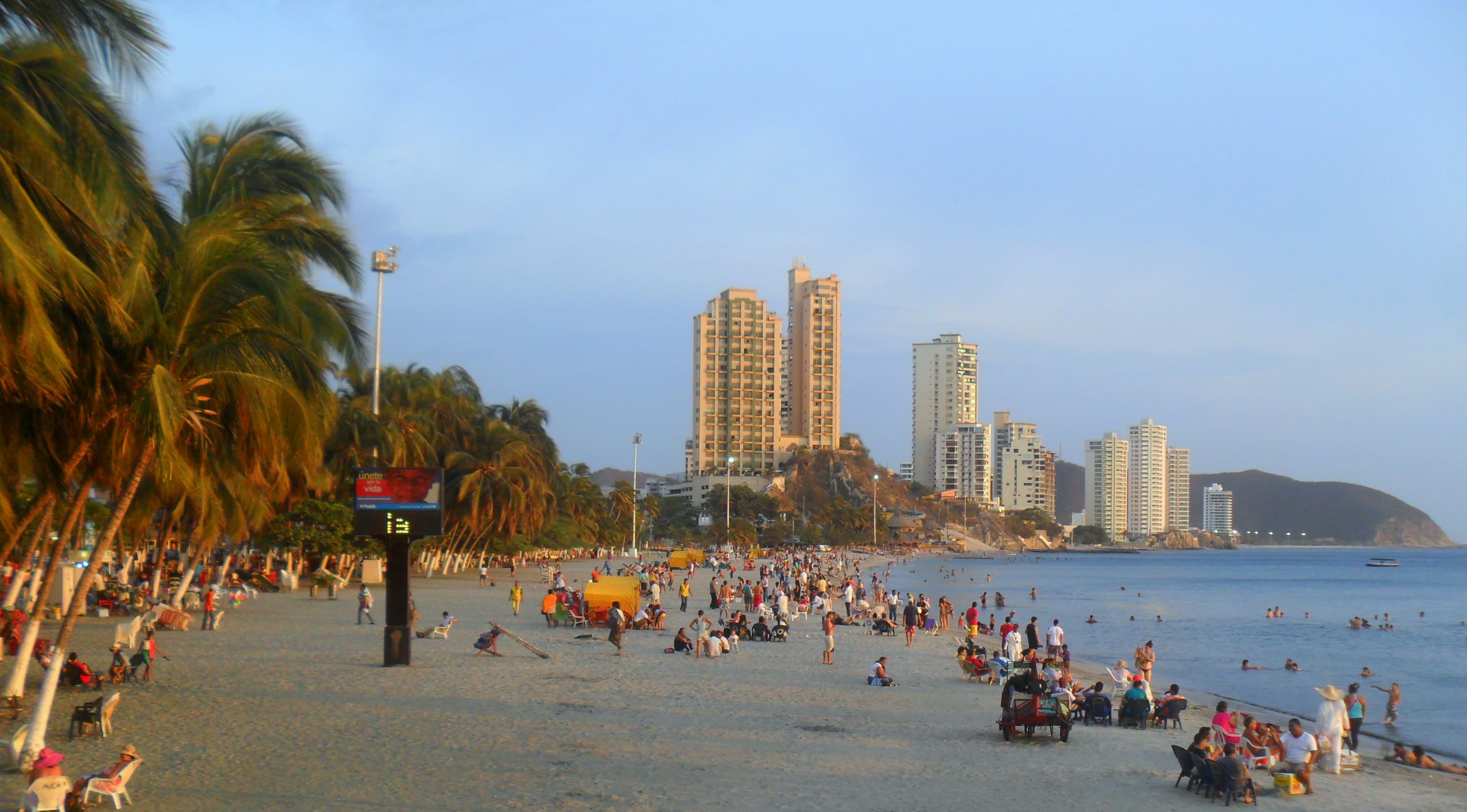
Easy urban-beach profile
1) Define your day goal
Not every beach is good for every plan. Decide whether you want snorkeling, easy access, scenery, or a long day-trip.
Snorkel: Playa Cristal · easy: Rodadero · nature: Tayrona
2) Validate real conditions
Use live map and water temperature. This avoids choosing a popular beach on a bad-condition day.
3) Optimize logistics
Separate urban beaches from beaches that require boat transfers or hiking.
Boat/hike: Cabo San Juan · urban: El Rodadero
4) Keep a plan B
If wind/surf rises, switch to a protected bay or urban-beach block.
24 result(s)
Family / easy
Rodadero · Playa Blanca
Snorkel + clear water
Playa Cristal · Bahía Concha
Nature-heavy
Tayrona · Cabo San Juan
Alternative vibe
Taganga Playa Grande · Palomino
 Moderate hike
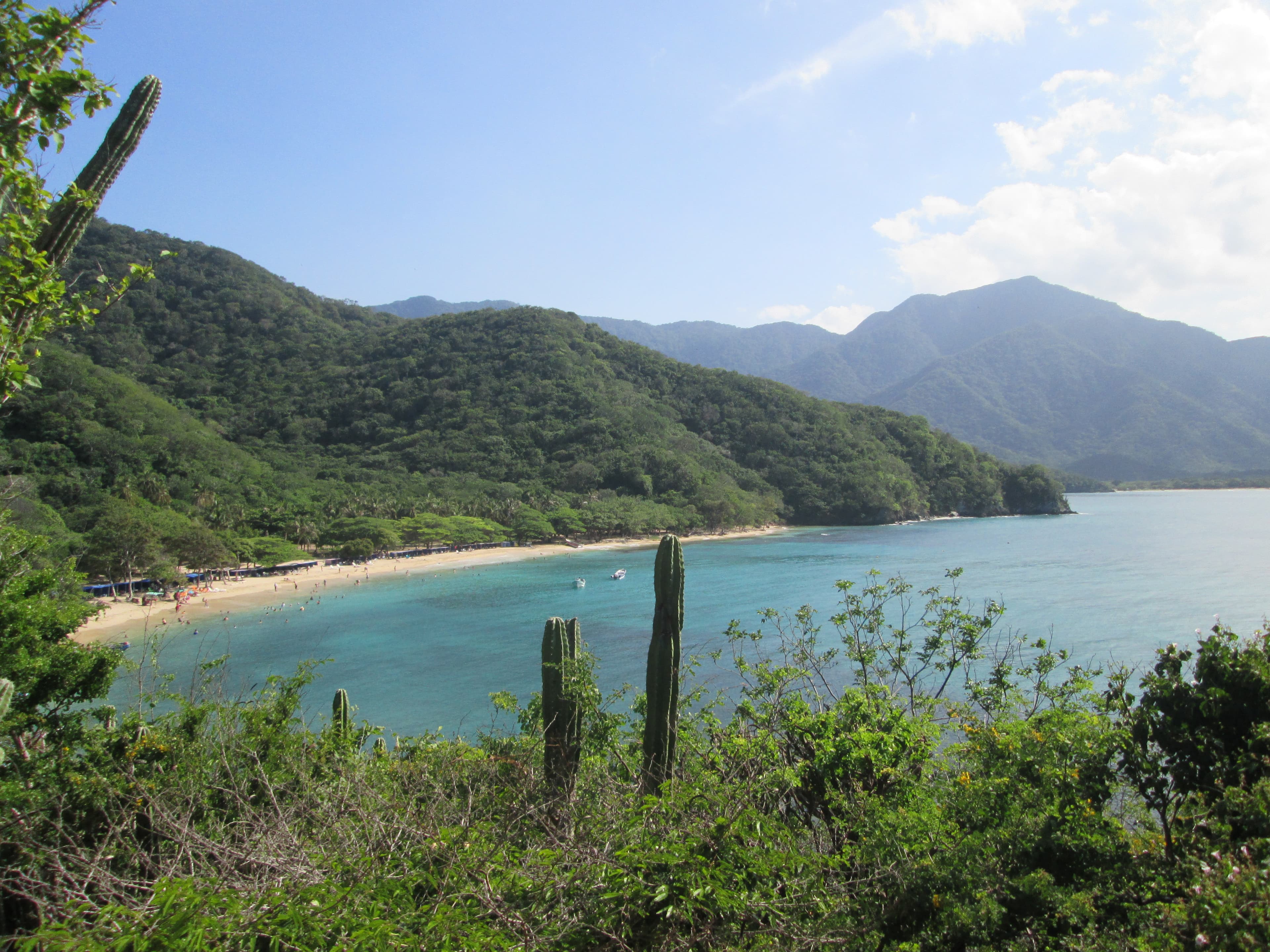
Tayrona is Colombia's crown jewel — a protected national park where the foothills of the Sierra Nevada de Santa Marta, the world's highest coastal mountain range, plunge into the Caribbean Sea. Pristine beaches like Cabo San Juan, Playa Cristal, and La Piscina are accessible only on foot through lush jungle trails, which keeps crowds manageable and the ecosystem intact. The park spans over 15,000 hectares of land and 3,000 hectares of sea, with more than 400 bird species and 60 mammal species. Camping under the stars here — with howler monkeys overhead — is genuinely unforgettable.
Best time: December–April (dry season); avoid weekends and Colombian holidays
Entrance fee: ~58,000–73,500 COP (~$15–19 USD) / ~87,000 COP (~$22 USD)
Closure dates: Feb 1–15, Jun 1–15, Oct 19–Nov 2 (indigenous ritual periods)
Getting there: Bus from Santa Marta central market (~9,000 COP, ~30–45 min) to El Zaino entrance. Alternatively, boat from Taganga to Cabo San Juan (~90,000 COP return, 45 min).
Insider tip: Arrive at El Zaino by 6–7 AM — the park caps daily visitors and tickets sell out. Book a hammock at Cabo San Juan in person at the El Zaino desk on arrival, not online.
Warnings: Several beaches (Arrecifes, Piscina at times) have dangerous riptides — check posted swimming flags • No ATMs inside the park — bring cash for food, accommodation, and tips • Yellow fever vaccination recommended at least 10 days before entry
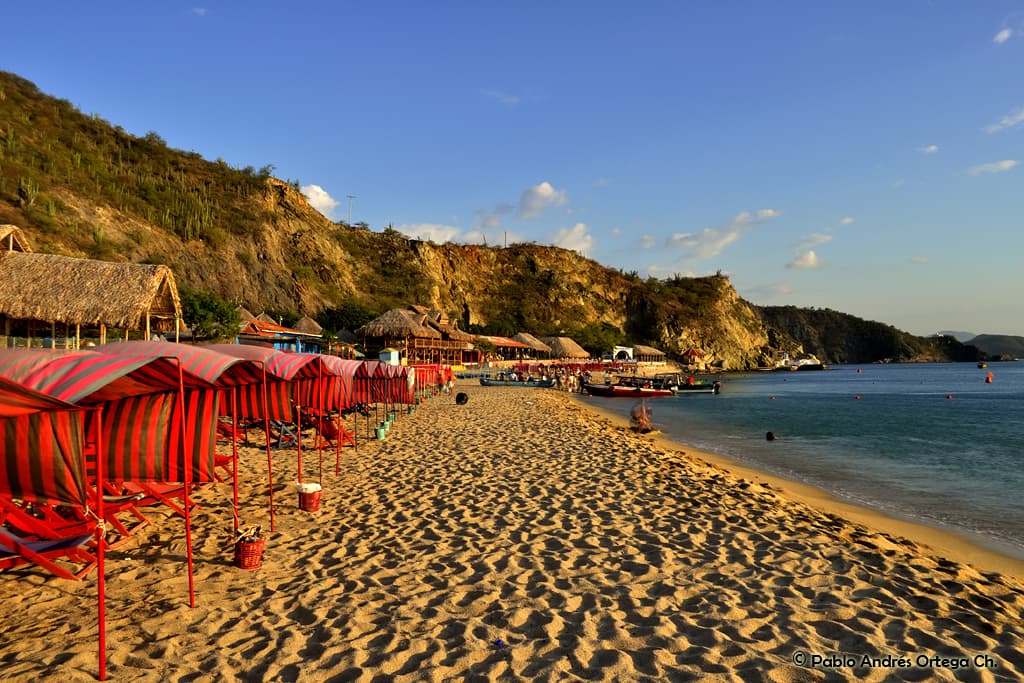
Easy accessEl Rodadero is Santa Marta's most developed and popular urban beach — calm, safe, and lined with high-rise hotels, restaurants, beach bars, and water sports vendors. It's the perfect base if you want easy beach access without any hiking, and it's particularly popular with Colombian domestic tourists and families. The beachfront promenade (malecón) comes alive at night with street food, music, and vendors. From here you can also catch a quick 15-minute taxi-boat to the nearby Playa Blanca.
Best time: Weekday mornings; avoid peak Colombian holiday season for smaller crowds
Getting there: Bus from Santa Marta center (~2,000 COP) or taxi (~15,000 COP). Easy and frequent service all day.
Insider tip: Skip the tourist-trap coconut vendors on the sand and head a block inland for better-priced food. Early mornings before 9 AM offer calm, crowd-free swimming.
Warnings: Gets very crowded on weekends and Colombian holidays • Persistent beach vendors can be overwhelming during peak hours
 Easy access
Not to be confused with the more famous Playa Blanca near Cartagena, this Playa Blanca sits just southwest of El Rodadero and is reached by a 15-minute taxi-boat or a 30-minute walk over the hills. It's a more relaxed alternative to Rodadero — fine sand, calmer atmosphere, and several beachside restaurants serving fresh fish and cold beer. Activities like canopy zip-lining are also available here. Best enjoyed on weekdays when the party-beach energy is lower.
Best time: Weekday mornings
Getting there: Taxi-boats depart regularly from El Rodadero beach (~15 min, prices vary by season). Can also walk via the hill trail from Rodadero (~30 min).
Insider tip: Boats run approximately every 15 minutes from El Rodadero — fares are often negotiated on the spot. Weekends draw a beach-party crowd; weekday visits are much more peaceful.
Warnings: Crowded and noisy on weekends and holidays
 Easy access
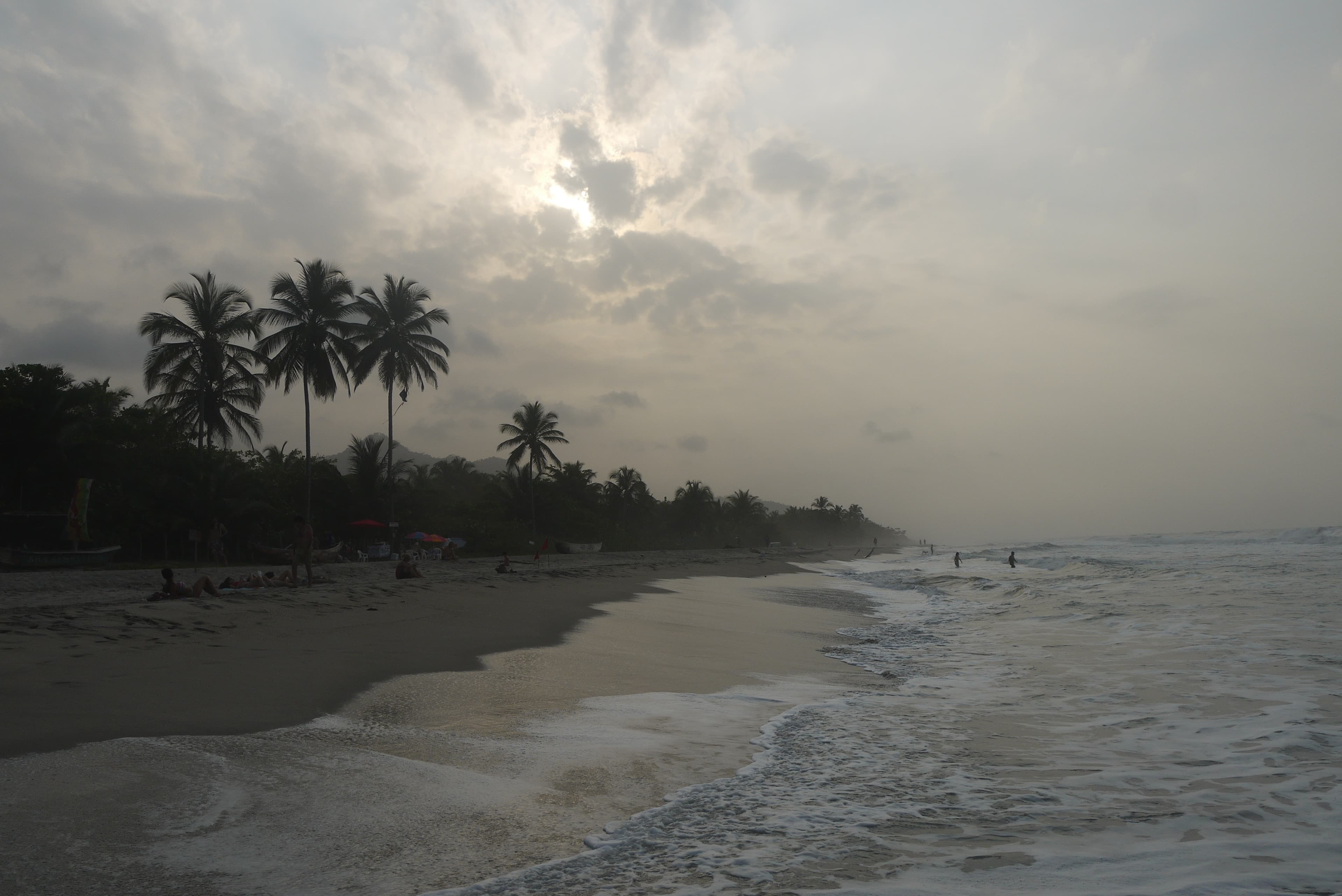
Palomino is the alternative, bohemian beach town northeast of Santa Marta — backed by the Sierra Nevada and fronted by a long, wild beach where the Palomino River meets the Caribbean Sea. Famous for river tubing (floating down the river into the ocean), it attracts backpackers, yogis, digital nomads, and anyone looking for a slower pace. The beach itself is dramatic, largely undeveloped, and lined with eco-lodges and surf hostels. The dry season (December–March and July–August) offers the best beach conditions.
Best time: December–March and July–August (dry seasons)
Getting there: Buses leave from Santa Marta's central market (Mercado) heading toward Riohacha — tell the driver you want Palomino (~1.5 hrs, ~10,000–15,000 COP). Mototaxis cover the final stretch to the beach.
Insider tip: River tubing tours run from the inland river mouth to the sea — most hostels organize them. The beach can have strong currents; always check conditions before swimming.
Warnings: Ocean currents can be strong — swim with caution • The beach is not patrolled; keep valuables secured at your accommodation
Easy accessOften called the most beautiful beach near Santa Marta, Playa Cristal (also known as Playa Arenilla) earns its name with exceptionally clear, calm water ideal for snorkeling over vibrant coral reefs. Crucially, it sits in the Neguanje sector of Tayrona rather than the main Zaino/Cañaveral hiking sector — meaning you reach it by boat from Taganga (~45 minutes) rather than trekking. Daily visitor numbers are capped at 300, so it fills up fast. Several good seafood restaurants operate on the beach. The cevichería at the back edge of the beach is a local favorite.
Best time: Weekdays, early morning arrival; avoid high season weekends
Getting there: Boat from Taganga (departs ~9 AM, returns ~4 PM, ~80,000 COP return per person). Also accessible overland via the Neguanje entrance, though road conditions can be poor.
Insider tip: Only 300 visitors allowed per day — arrive at the Taganga dock early to secure a spot. The boat ride can be bumpy in windy conditions (December–March trade wind season).
Warnings: Daily visitor cap of 300 means you may be turned away on busy weekends • Boat rides can be rough during the windy season (Dec–Mar)
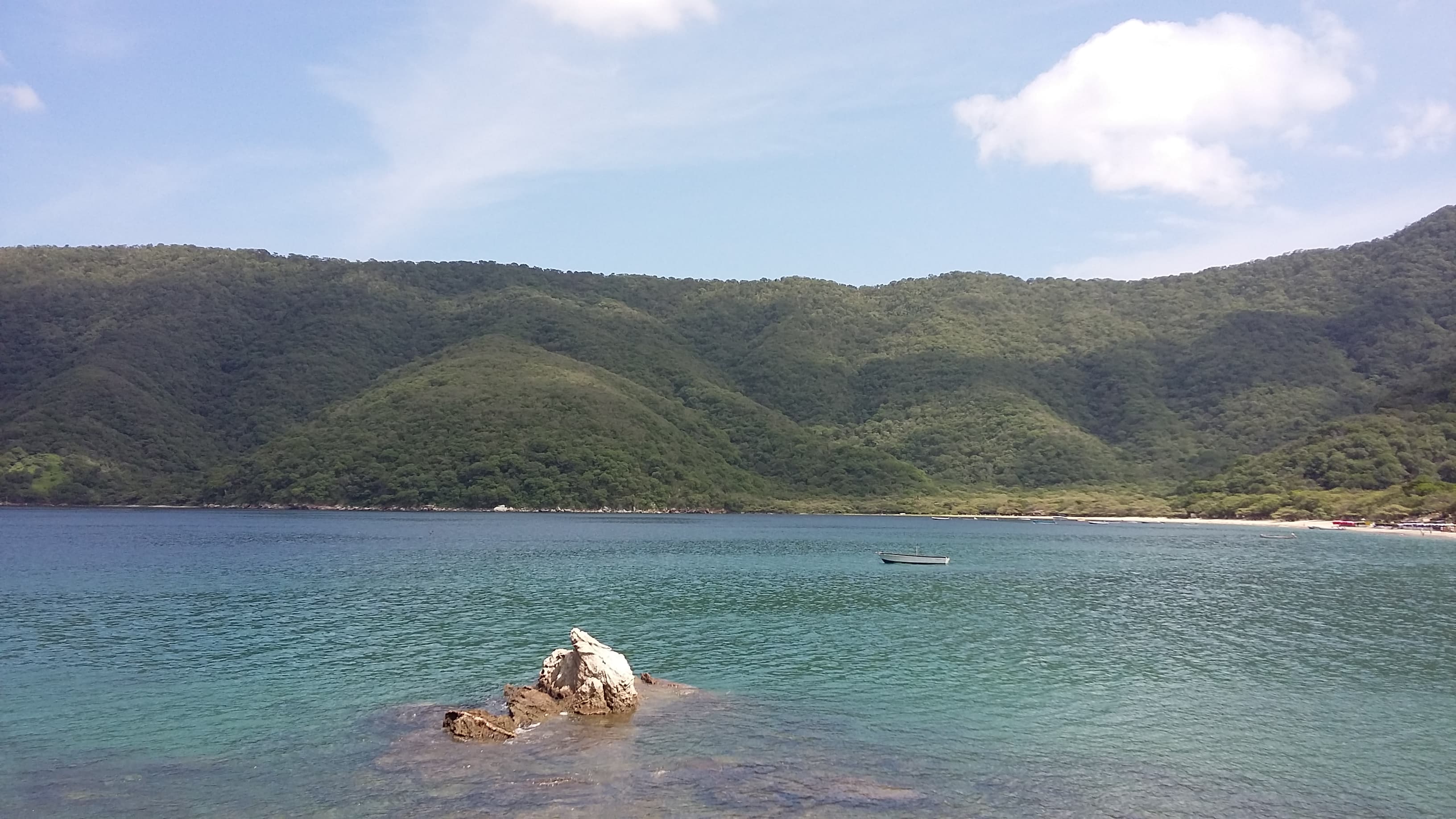
Challenging trekCabo San Juan del Guía is Tayrona's most iconic beach — a rocky headland with a hammock camp perched on a peninsula above two contrasting coves. One side is calm and swimmable; the other is wild, wave-battered, and spectacular. Reaching it requires either a 2-hour jungle hike from the El Zaino entrance or a 45-minute boat from Taganga (~90,000 COP return). Sleeping here overnight — in a hammock on the peninsula (50,000 COP) or a tent (20,000–40,000 COP) — with howler monkeys in the canopy and the Milky Way above is a genuine bucket-list experience. A small restaurant and mini-mart operate on site.
Best time: Overnight stays are best December–April; arrive before 10:30 AM to claim a shady spot
Getting there: Bus to El Zaino entrance from Santa Marta (~9,000 COP), then 2-hour jungle hike to the beach. Or boat from Taganga (~90,000 COP return, 45 min).
Insider tip: Hammocks on the open-air peninsula hut have better views and breeze than those on land, but can be cold and windy at night — bring a light layer. Book your hammock spot in person at the El Zaino entrance desk on arrival (cannot be reserved online).
Warnings: One cove has dangerous surf and riptides — only swim in the designated calm cove • Hammocks and tents cannot be booked online and sell out fast during peak season • No ATMs in the park — bring sufficient cash
 Easy access
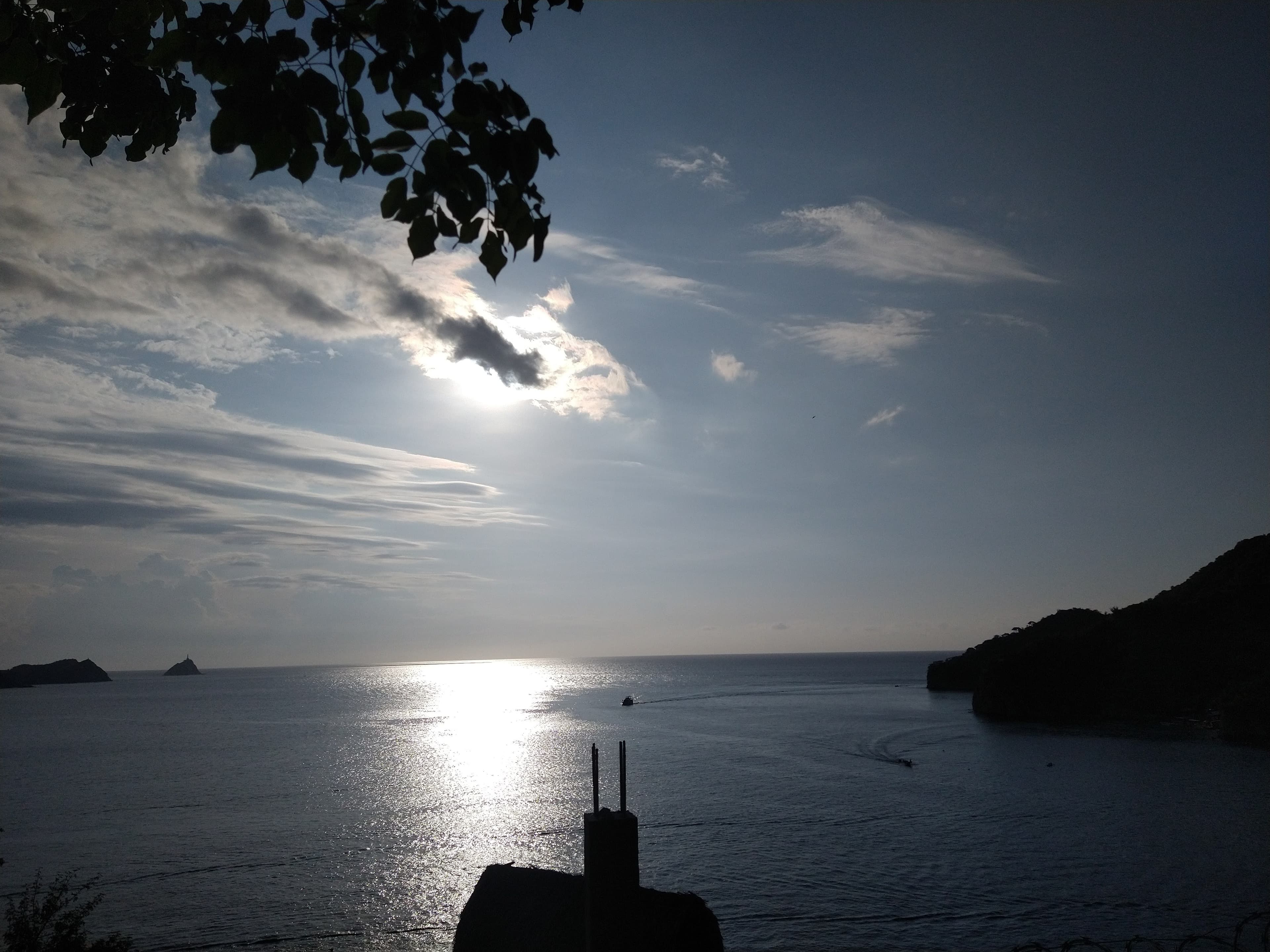
Bahía Concha is the closest Tayrona beach to Santa Marta — a sweeping, curved bay with white sand, crystal-clear water, and dramatic cliffs, all framed by lush vegetation. It's hugely popular with locals on weekends and is one of the few Tayrona-area beaches where you can camp overnight on the sand. Snorkeling is excellent, especially near the rocky edges of the bay. Access is via the Bahía Concha entrance of the national park, a separate and smaller fee from the main Zaino entrance.
Best time: Weekdays; popular with locals on weekends
Getting there: Take a buseta from Avenida 5ta and Calle 14 (Bastidas) to the end of the line, then a motorcycle taxi (~5 min) to the beach entrance.
Insider tip: Because it has its own separate entrance from the main Zaino sector, Bahía Concha is usually easier for a quick day trip than deeper Tayrona beaches. Bring your own food if you want to keep costs down.
Warnings: Check current access restrictions before visiting • Bring your own water and sun protection
 Easy access
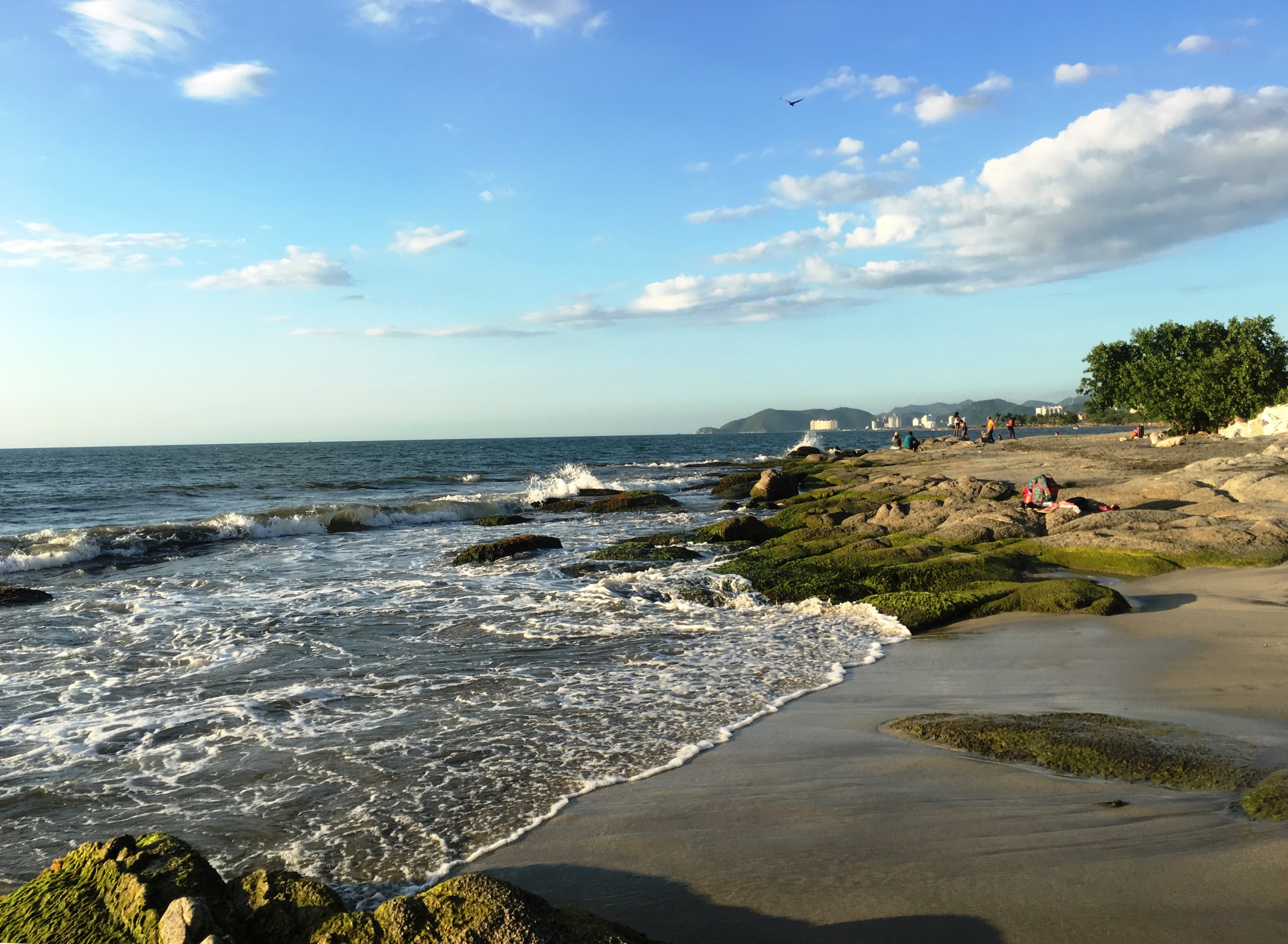
Playa Grande is the hidden gem just over the hill from the fishing village of Taganga — a 20-minute walk (or 5-minute boat ride) from Taganga's main beach. Unlike Taganga's cluttered main bay, Playa Grande is genuinely beautiful: a long, wide stretch of Caribbean sand backed by mountainous jungle, with clear water good enough for snorkeling and kayaking. Several restaurants and beach bars operate here, making it a full day out. It's popular but far less overwhelming than Rodadero, and far more accessible than anything inside Tayrona.
Best time: Weekday afternoons; avoid holiday weekends
Getting there: Take bus or taxi to Taganga (~15–20 min from Santa Marta center), then either walk over the hill trail (~20 min) or take a short boat ride from the Taganga dock (~5 min).
Insider tip: The hill walk from Taganga offers excellent views of both bays. Calmer and cleaner water than Taganga's main beach.
Warnings: Can get crowded on weekends with both tourists and locals
 Easy access
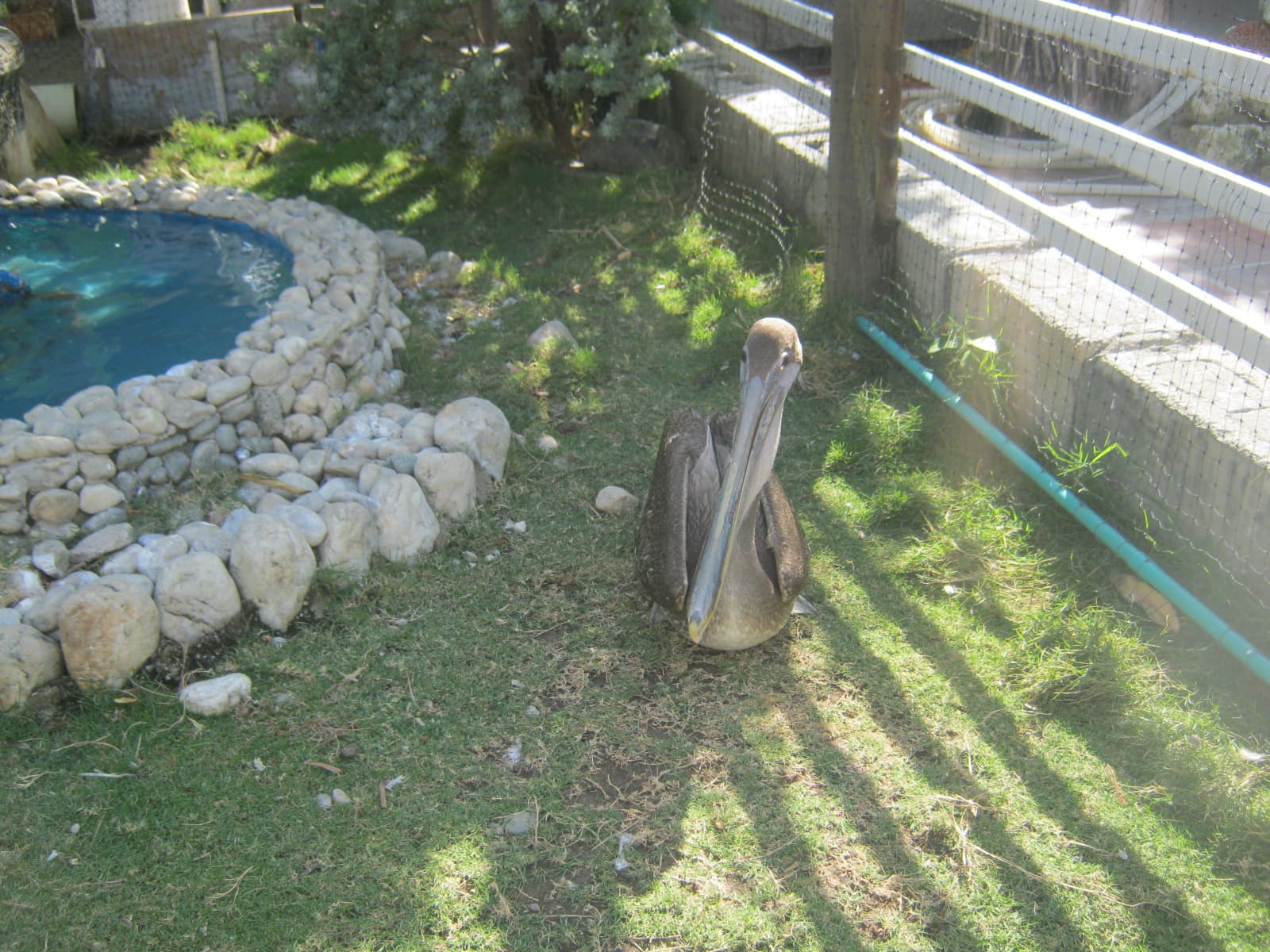
Bello Horizonte is one of the main resort-style beach zones west of central Santa Marta, closer to the airport and generally quieter than El Rodadero. The beach is broad and open, with condo towers, family hotels, and a more residential feel than the busier tourist core. It's a good pick if you want long beach walks, easier parking, and a calmer base while still staying on the water.
Best time: Early mornings and weekday afternoons
Getting there: Taxi or rideshare from central Santa Marta (~20–30 min depending on traffic). Also reachable by bus along the airport corridor.
Insider tip: Pick Bello Horizonte if you want a quieter beachfront base with long walkable sand and easy airport access, then taxi into busier areas when you want restaurants or nightlife.
Warnings: Can feel exposed in midday sun — shade is limited outside hotel areas • Less of a classic old-town atmosphere than beaches closer to central Santa Marta
 Easy access
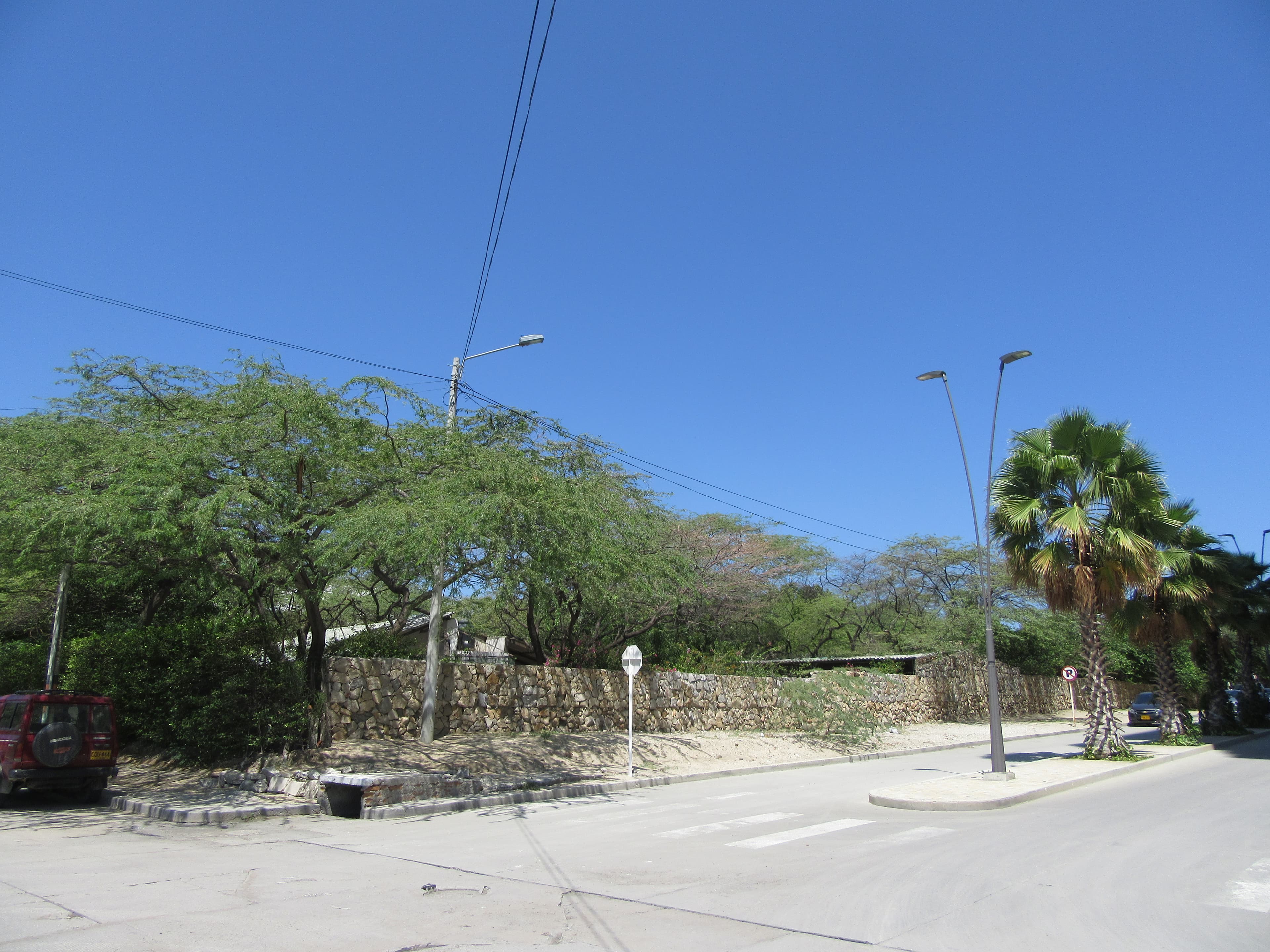
Pozos Colorados is one of the strongest omissions in your current list. It sits between Rodadero and the airport corridor and is known for quieter, more upscale beachfront development, wide sands, and a more relaxed rhythm than Santa Marta's better-known urban beaches. It's popular with travelers who want a cleaner-feeling resort stretch without the density of Rodadero.
Best time: Weekdays and shoulder season mornings
Getting there: Quick taxi ride from Rodadero or central Santa Marta. Many beachfront hotels sit directly on this stretch.
Insider tip: Choose Pozos Colorados when your priority is a calmer resort stretch; stay here for quieter nights and use short taxi rides for Rodadero and the historic center.
Warnings: Some sections feel more private or hotel-controlled than public-beach stretches • Can get windy in the trade-wind season
 Easy access
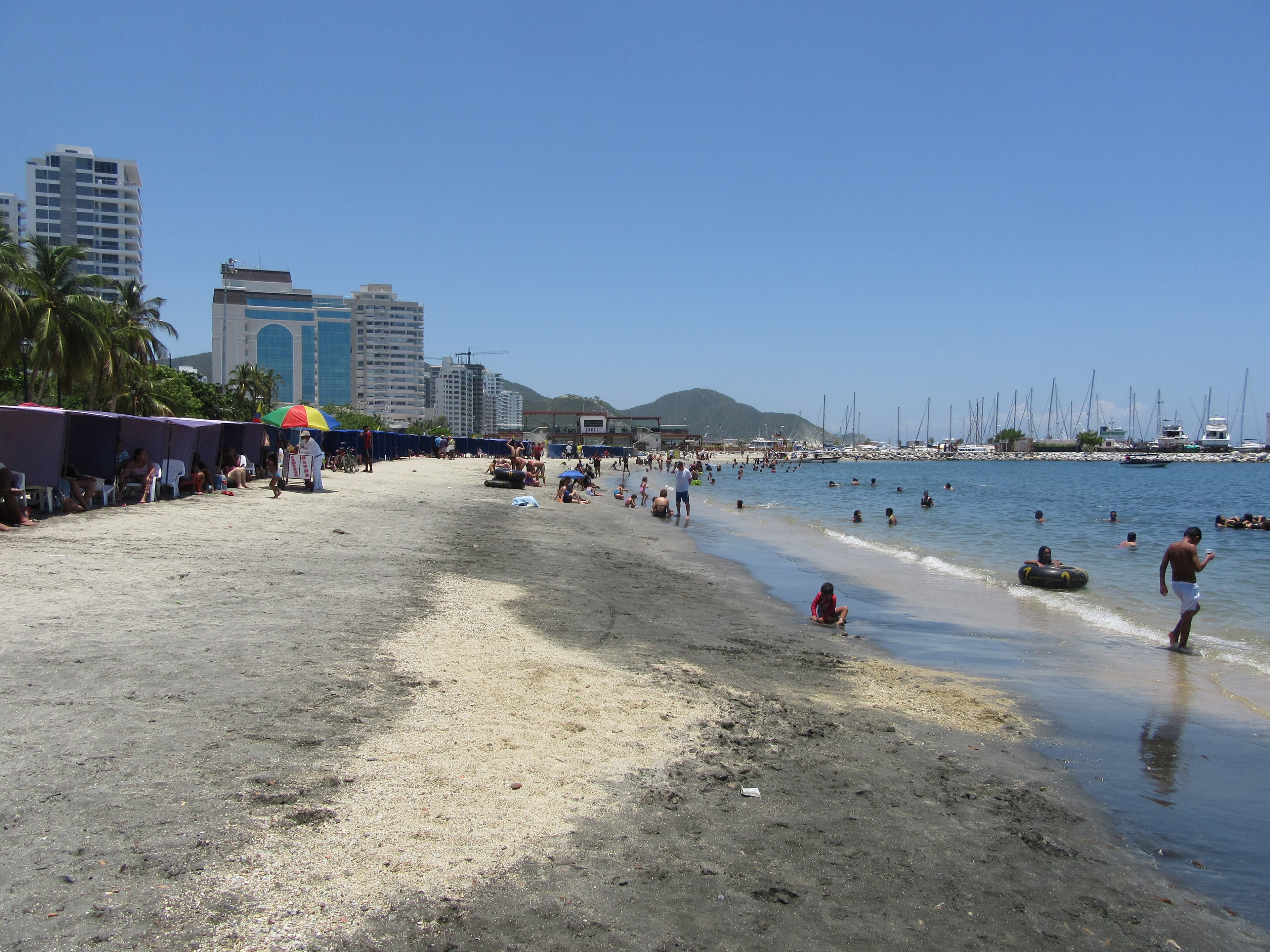
Playa Salguero sits just south of Rodadero and is often treated as a quieter extension of the same coastal zone. It tends to attract travelers who want proximity to Rodadero restaurants and services without being directly in the middle of its crowds. The beach is calmer in tone, with apartment towers and vacation rentals dominating the area.
Best time: Weekday mornings
Getting there: Walk, taxi, or short drive from Rodadero. Very easy to combine with Rodadero-area stays.
Insider tip: Use Salguero as a practical stay area: you get a quieter beach vibe while keeping Rodadero restaurants and services within a short ride.
Warnings: Less lively than Rodadero if travelers want activity and nightlife • Some stretches are more residential than scenic
 Easy access
Playa Los Cocos is a smaller, often-overlooked beach near the Santa Marta bay and marina area. It works more as a local urban shoreline stop than a destination beach, but it's still part of the broader Santa Marta beach map and worth including for completeness. It can make sense for quick walks, nearby stays, or travelers who want to remain close to the center.
Best time: Sunrise or late afternoon
Getting there: Short taxi ride, walk, or bike ride from the historic center depending on where you're staying.
Insider tip: Treat Los Cocos as a short city-beach stop for sunrise or sunset, not your main all-day swim beach.
Warnings: Not as scenic or swimmable as Tayrona or the better resort beaches • Urban beach conditions vary
 Easy access
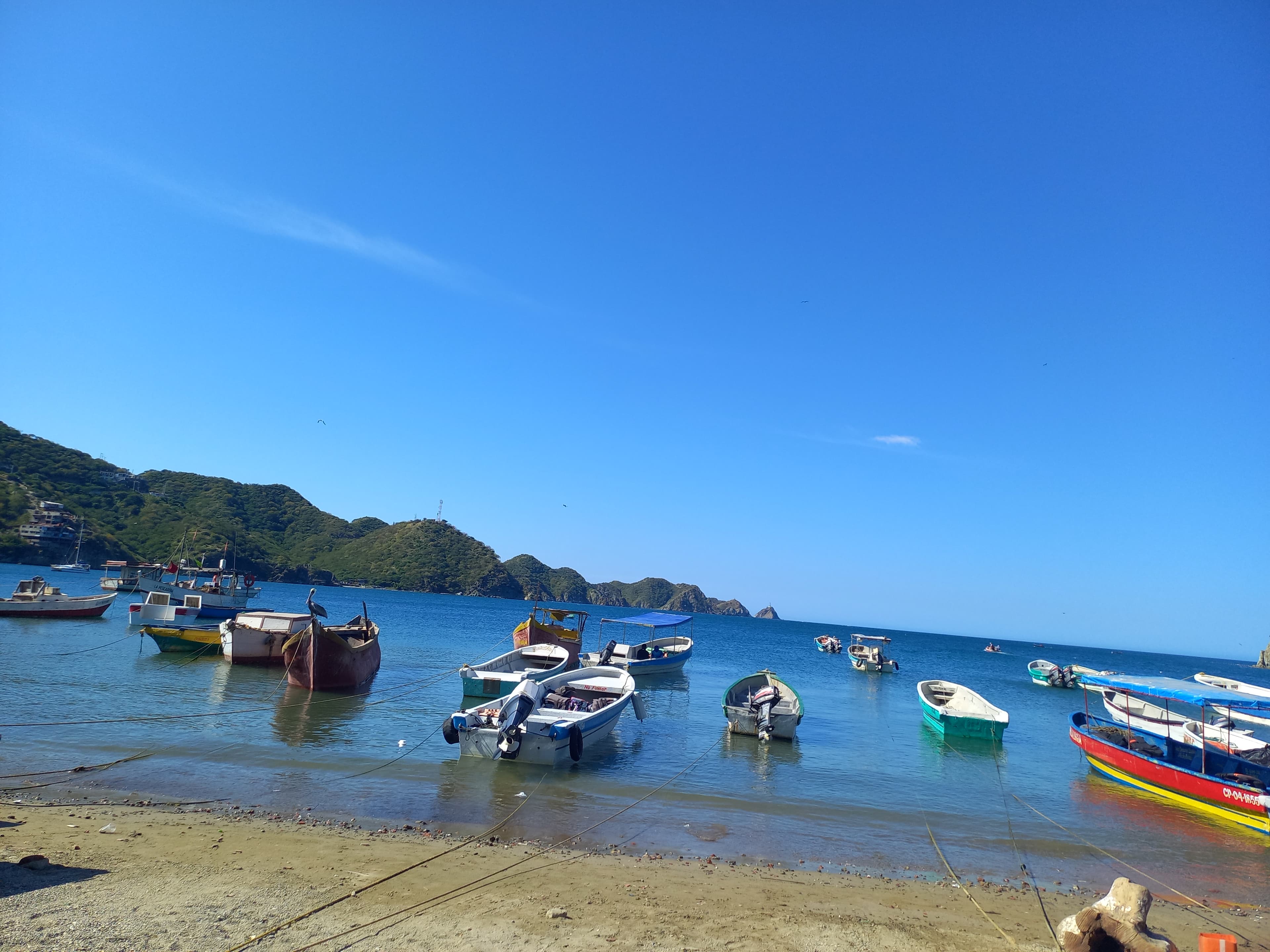
Taganga's main beach is more important as a departure point, dive town, and backpacker hub than as the best swimming beach in the region. Even so, it absolutely belongs in a full Santa Marta beach dataset. It's a compact bay lined with boats, dive shops, hostels, and seafood restaurants, and it serves as a jumping-off point for Playa Grande and boat trips toward Tayrona sectors.
Best time: Late afternoon for atmosphere, not peak midday for swimming
Getting there: Frequent bus, taxi, or motorcycle taxi from Santa Marta center.
Insider tip: Use Taganga for dive shops, boat departures, and budget lodging, then move to nearby coves for a cleaner beach day.
Warnings: Water quality and beach cleanliness can be less appealing than nearby alternatives • Can get noisy and crowded on weekends
 Easy access
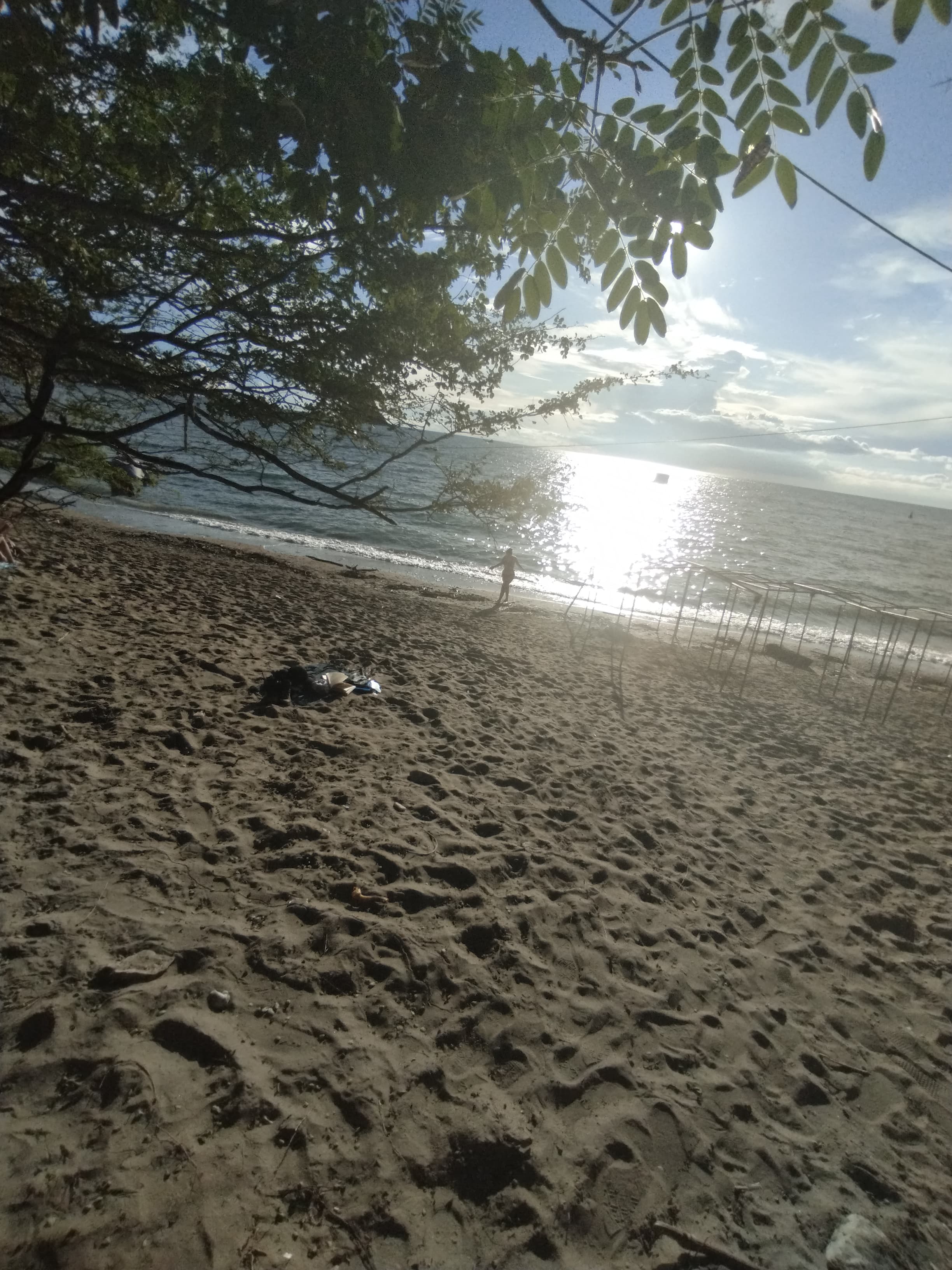
Inca Inca is a smaller cove-style beach between the Rodadero area and some of the coastal boat routes, often described locally as a calmer or more tucked-away day-beach option. It's useful in a beach guide because many visitors hear about it through local tours or beach clubs rather than major travel guides. The feel is more low-key and semi-hidden than the big urban beaches.
Best time: Weekdays
Getting there: Best reached via local transport or arranged day-trip logistics depending on where you're staying.
Insider tip: Go on a weekday if you want a calmer cove feel near Rodadero without committing to a full Tayrona day.
Warnings: Facilities vary depending on the operator or day-use setup • Less plug-and-play than Rodadero or Bello Horizonte
 Moderate hike
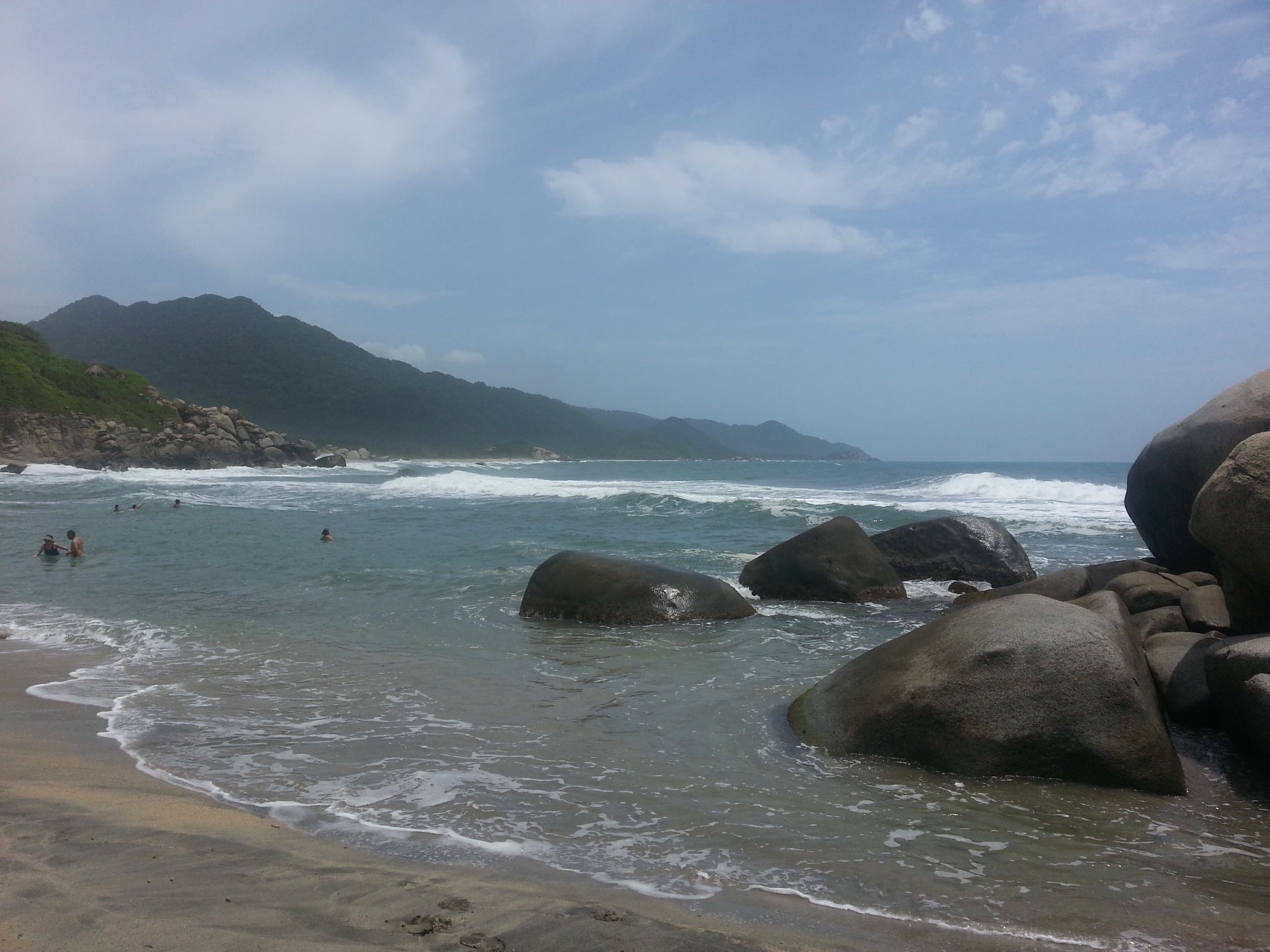
Cañaveral is one of the first major coastal sectors reached from Tayrona's Zaino entrance. It is visually dramatic, backed by dense vegetation and known for ecohabs and one of the park's classic wild-coast views. It is more about scenery and the experience of being inside Tayrona than about carefree swimming.
Best time: Dry season mornings
Getting there: Enter via El Zaino, then continue into the park by internal shuttle and walking routes.
Insider tip: Plan Cañaveral as a scenic Tayrona route stop for photos and coastline views, not as a relaxed swim session.
Warnings: Surf can be dangerous • Swimming conditions are often not the main draw here
 Moderate hike
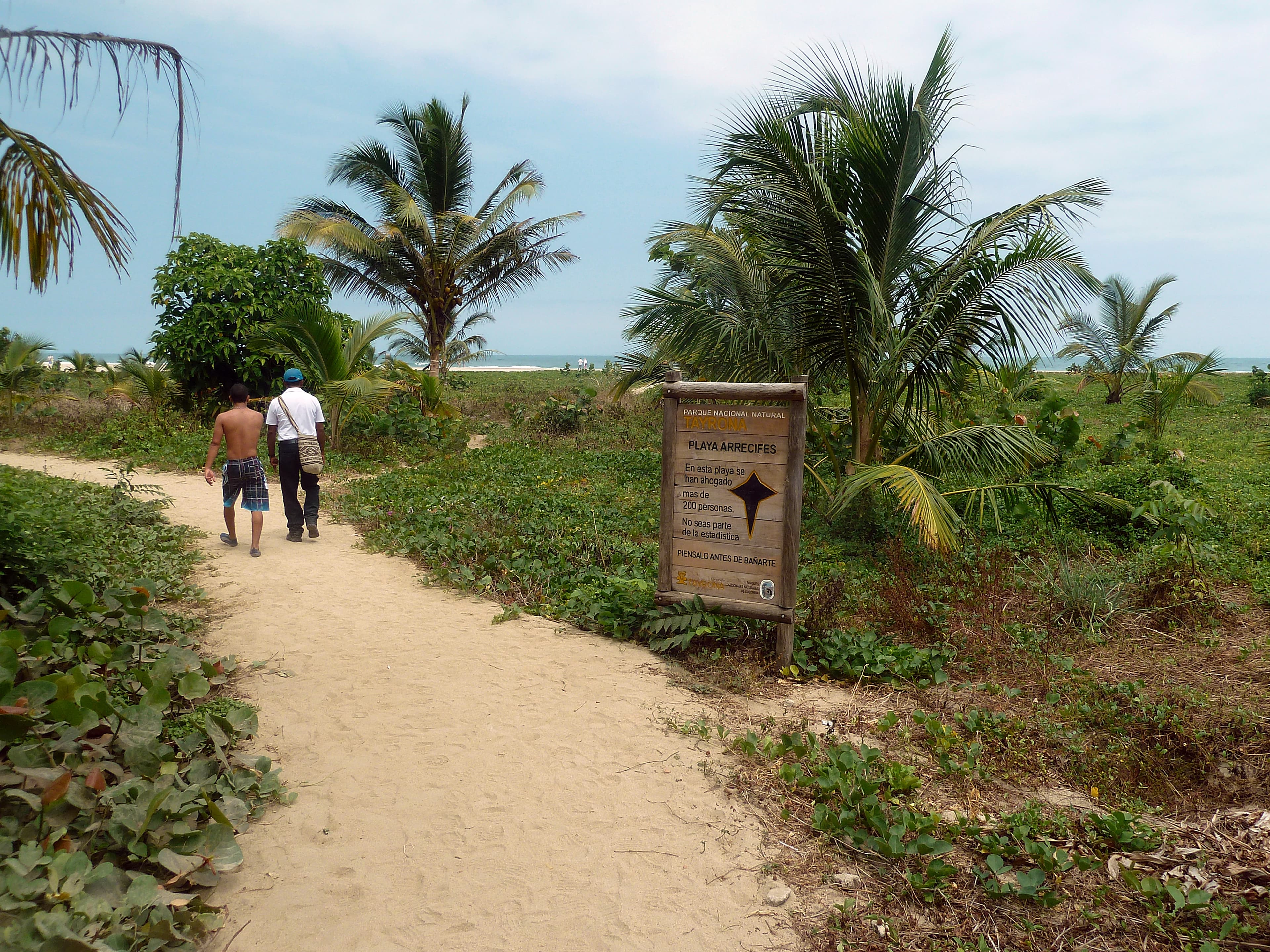
Arrecifes is one of Tayrona's best-known named beaches and a major omission from your current array. It is the park's largest beach sector on the classic Zaino hiking route, with a dramatic, open shoreline and strong surf. It is famous visually, but not a beach for casual swimming because of dangerous currents and wave action.
Best time: Morning during a Tayrona hike
Getting there: Hike in from El Zaino along the main Tayrona coastal trail.
Insider tip: Stop at Arrecifes for the iconic wild-coast view, then continue to safer swim sectors like La Piscina.
Warnings: Not safe for swimming • Strong surf and riptides
 Moderate hike
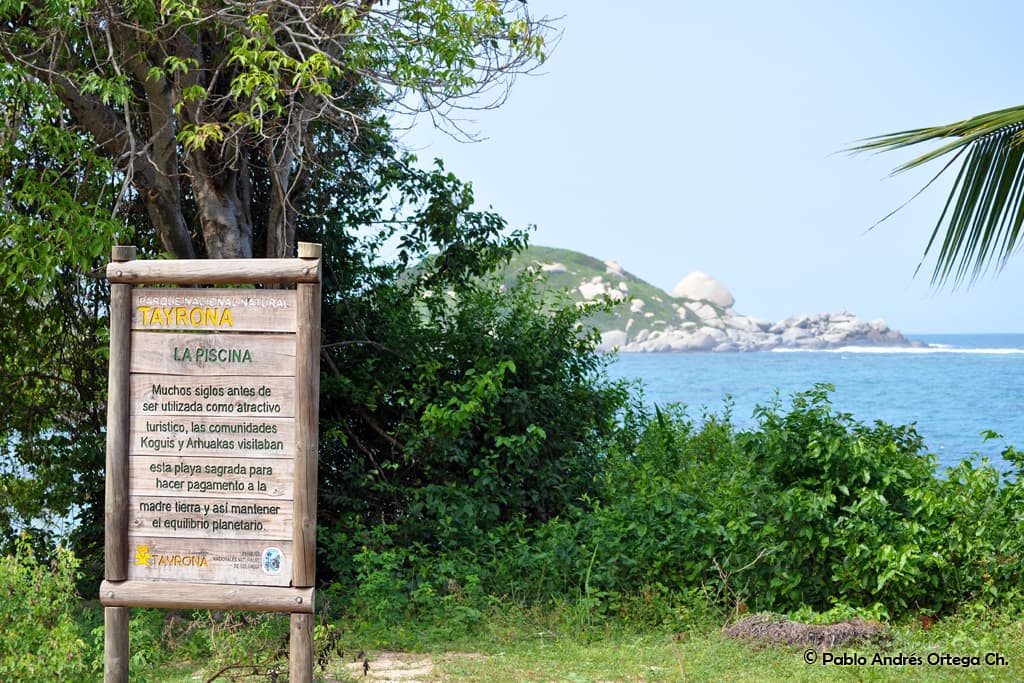
La Piscina is one of the most user-friendly swim spots on the classic Tayrona trail. Protected by a natural rock barrier, it is much calmer than neighboring Arrecifes and works as a natural contrast point in a Santa Marta beach guide: dangerous surf nearby, but a relatively sheltered swimming pocket here.
Best time: Late morning while hiking toward Cabo San Juan
Getting there: Reach it on foot from El Zaino via the main Tayrona coastal trail.
Insider tip: If you want to swim on the classic Tayrona hike, this is usually the best-known stop to prioritize over surf-heavy sectors.
Warnings: Still check conditions before entering the water • No major overnight infrastructure directly on the beach
 Challenging trek
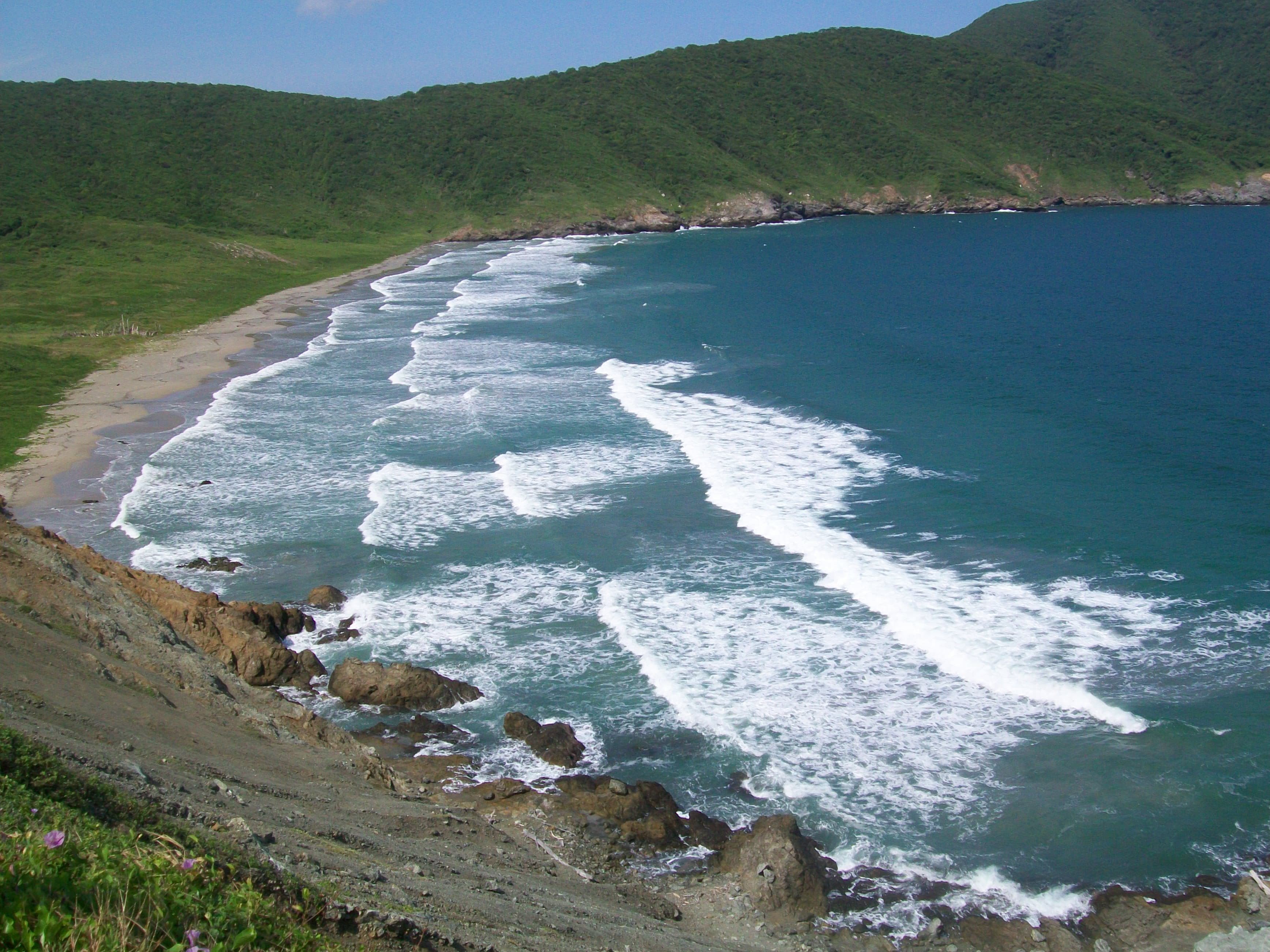
Playa Brava is one of Tayrona's more remote-feeling and less casual beaches, typically accessed through the Calabazo route rather than the standard Zaino circuit. It is best for hikers and travelers seeking a more isolated, dramatic Tayrona experience with fewer people and more effort.
Best time: Dry season with an early start
Getting there: Access via the Calabazo entrance and hike in through the forested trail network.
Insider tip: Only choose Playa Brava if you want a longer hike and a quieter, more remote Tayrona day with limited services.
Warnings: Longer access hike • Conditions and services are more limited than the main Tayrona route
 Easy access
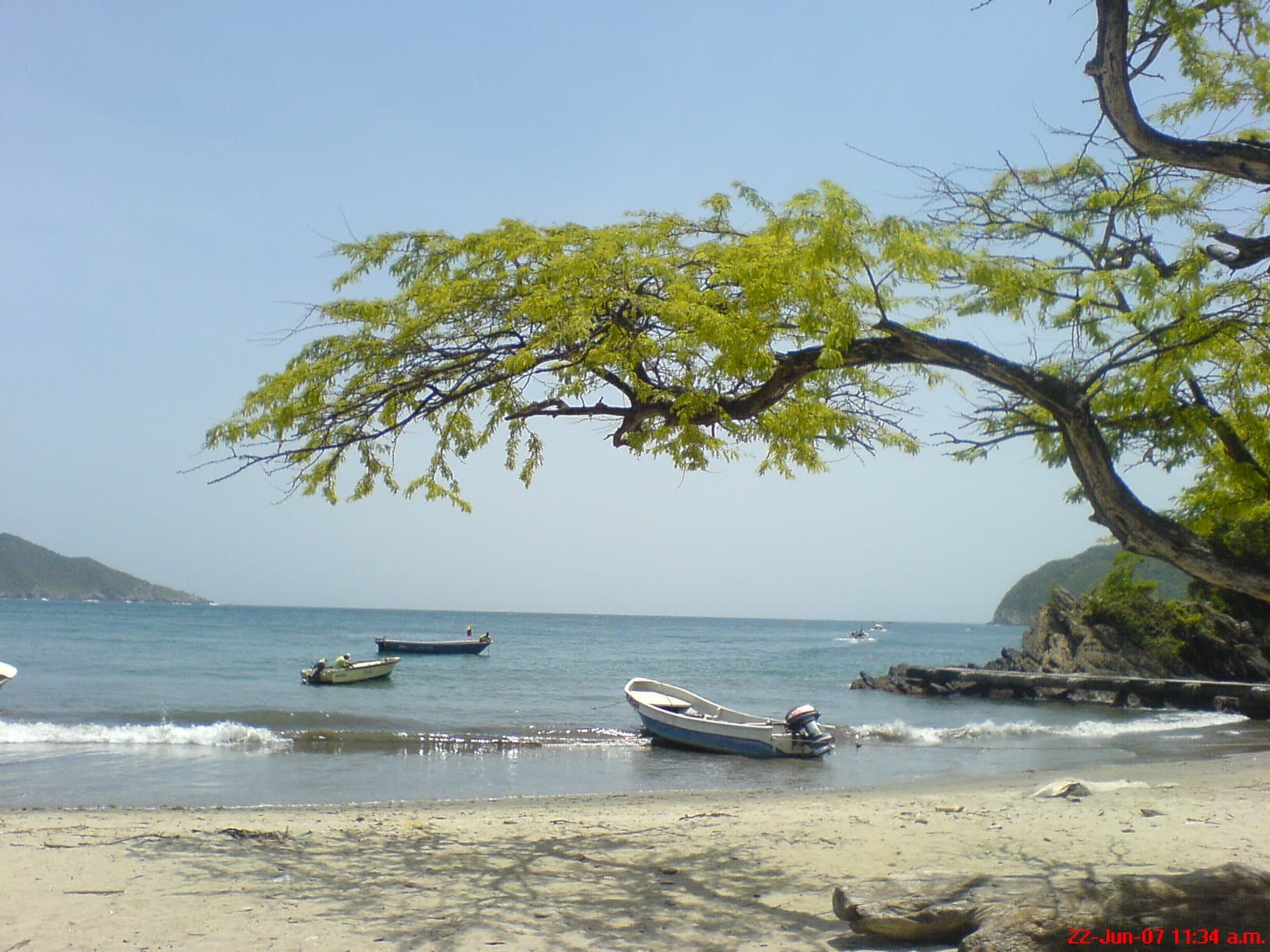
Neguanje is a major Tayrona bay and transport sector that matters even when travelers are ultimately heading to Playa Cristal. It is part beach, part gateway, and part marine landscape, and it deserves its own record because many routes, boats, and overland entries revolve around it.
Best time: Morning departures
Getting there: Access by road through the Palangana sector or as part of boat-based day trips.
Insider tip: Think of Neguanje as a gateway bay: arrive early, sort logistics, and connect onward to Playa Cristal or other marine sectors.
Warnings: Some visitors use it mainly as a transfer point rather than a full-day destination • Sun exposure is strong
 Easy access
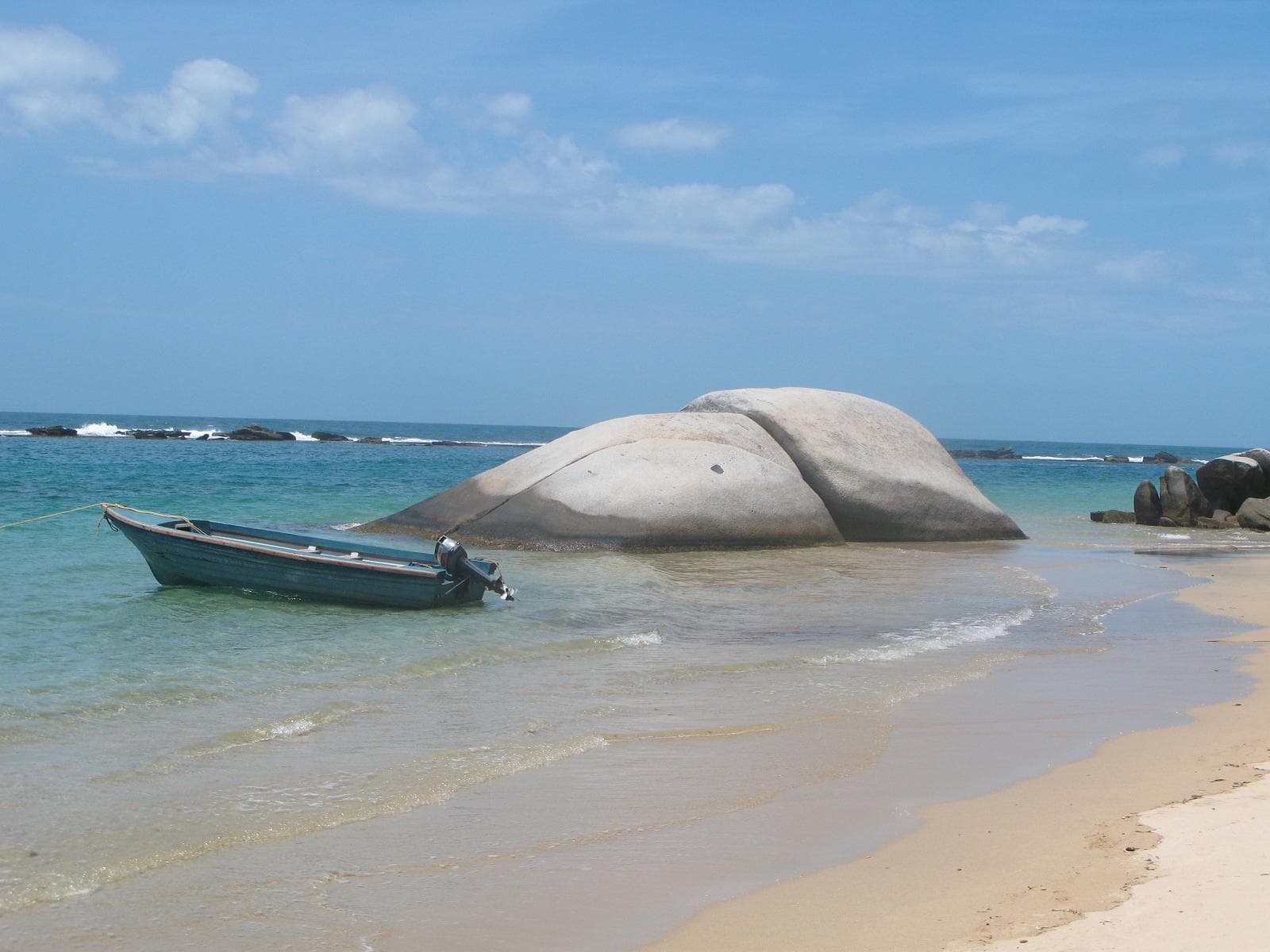
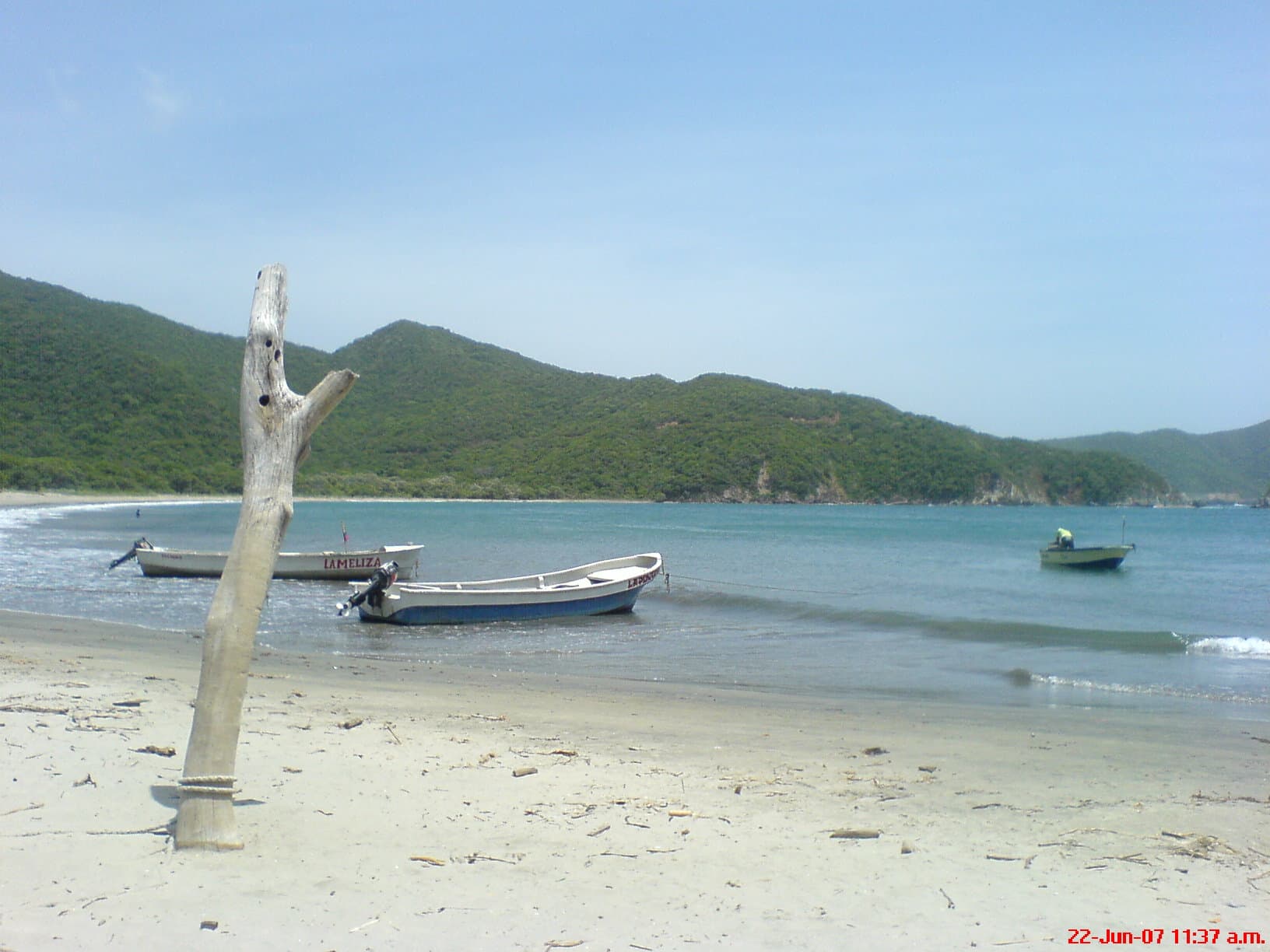
Playa Gayraca is another named Tayrona sector beach that is easy to miss in mainstream lists but important for a more complete dataset. It sits within the Palangana access logic and is better suited to travelers looking for quieter, less famous coastal sectors than Cabo San Juan.
Best time: Dry-season weekdays
Getting there: Most often reached via Tayrona's Palangana-side access logistics.
Insider tip: Choose Gayraca if you want a quieter Tayrona sector with fewer people than the headline trail beaches.
Warnings: Facilities can be sparse depending on the route and season • Less frequently visited than headline Tayrona beaches
 Easy access
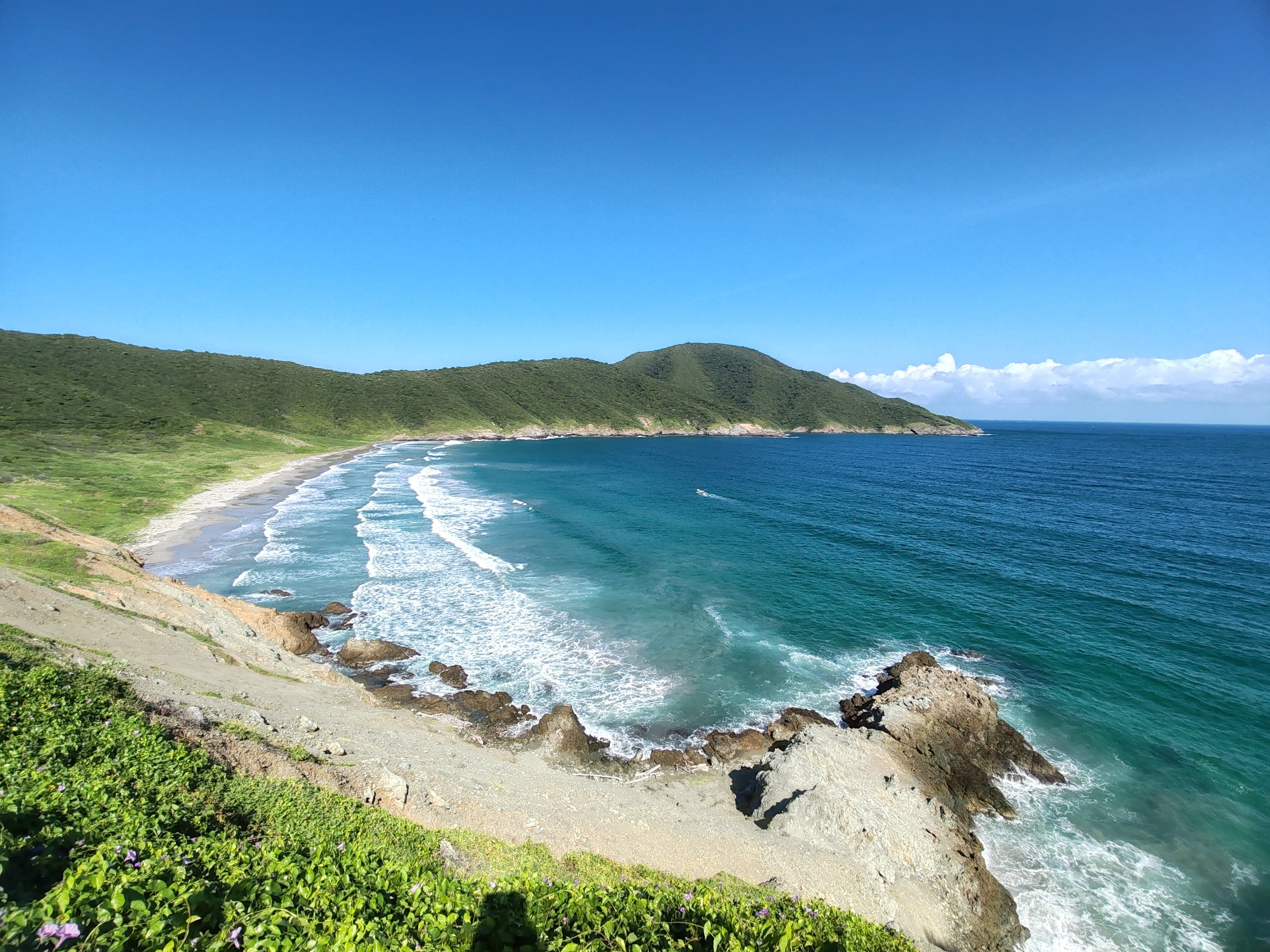
Playa del Muerto is another named Tayrona beach tied to the Palangana/Neguanje side of the park. It is not as famous in international travel content, but it helps complete the geography of Tayrona's accessible day-use sectors.
Best time: Morning or early afternoon
Getting there: Reached through Palangana-sector access arrangements or combined coastal routes.
Insider tip: Use Playa del Muerto as a lower-profile Tayrona stop when you want a calmer bay plan and are already routing through Palangana.
Warnings: Less infrastructure and less awareness than major headline beaches
 Moderate hike
Cinto is one of Tayrona's more coveted boat-access beaches and one of the strongest advanced-user beaches you are missing. It is generally thought of as a more remote, cleaner, more exclusive-feeling Tayrona beach experience, especially for people prioritizing snorkeling and a less crowded feel.
Best time: Calm-weather mornings
Getting there: Usually reached by boat from Santa Marta, Taganga, or Tayrona-side marine routes, often via the Palangana/Neguanje logistics.
Insider tip: Book Cinto when sea conditions are good and you want a more remote boat-access beach with better odds of a low-crowd day.
Warnings: Access depends on sea conditions and organized transport • Not as easy to reach as mainstream Santa Marta beaches
 Easy access
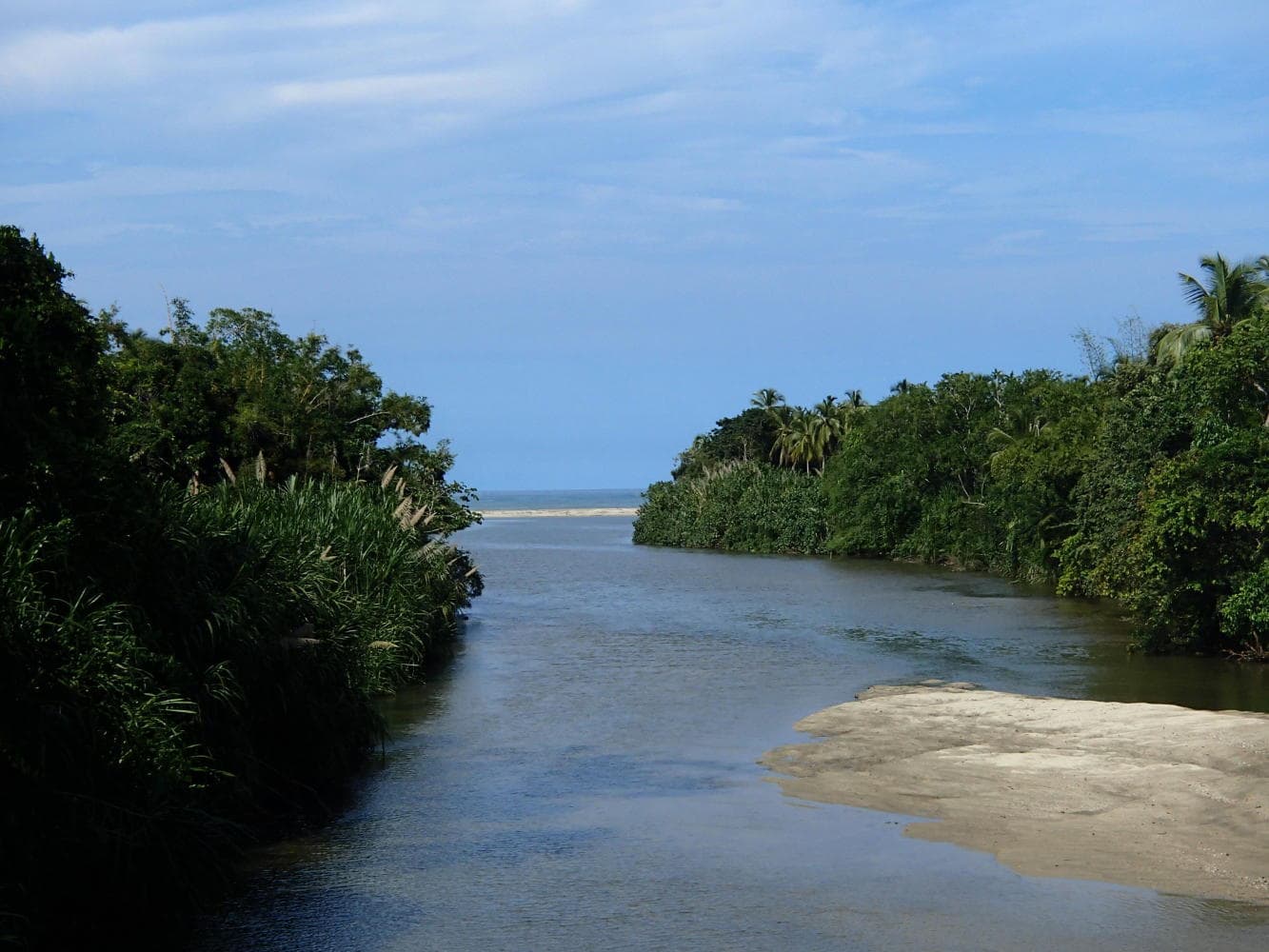
Mendihuaca is a broader-region beach east of Tayrona that fits your dataset if you are already including Palomino. It is known for beach-hostel stays, a more natural shoreline, and a setting where river, jungle, and sea are all part of the experience. It appeals to travelers moving up the coast from Santa Marta toward Palomino and La Guajira.
Best time: Dry season
Getting there: Reachable by bus or car along the Troncal del Caribe toward Palomino.
Insider tip: Pair Mendihuaca with an east-coast road trip day if you want a nature-heavy beach stop beyond the city circuit.
Warnings: More spread out and less urban-service-heavy than Santa Marta city beaches
 Easy access
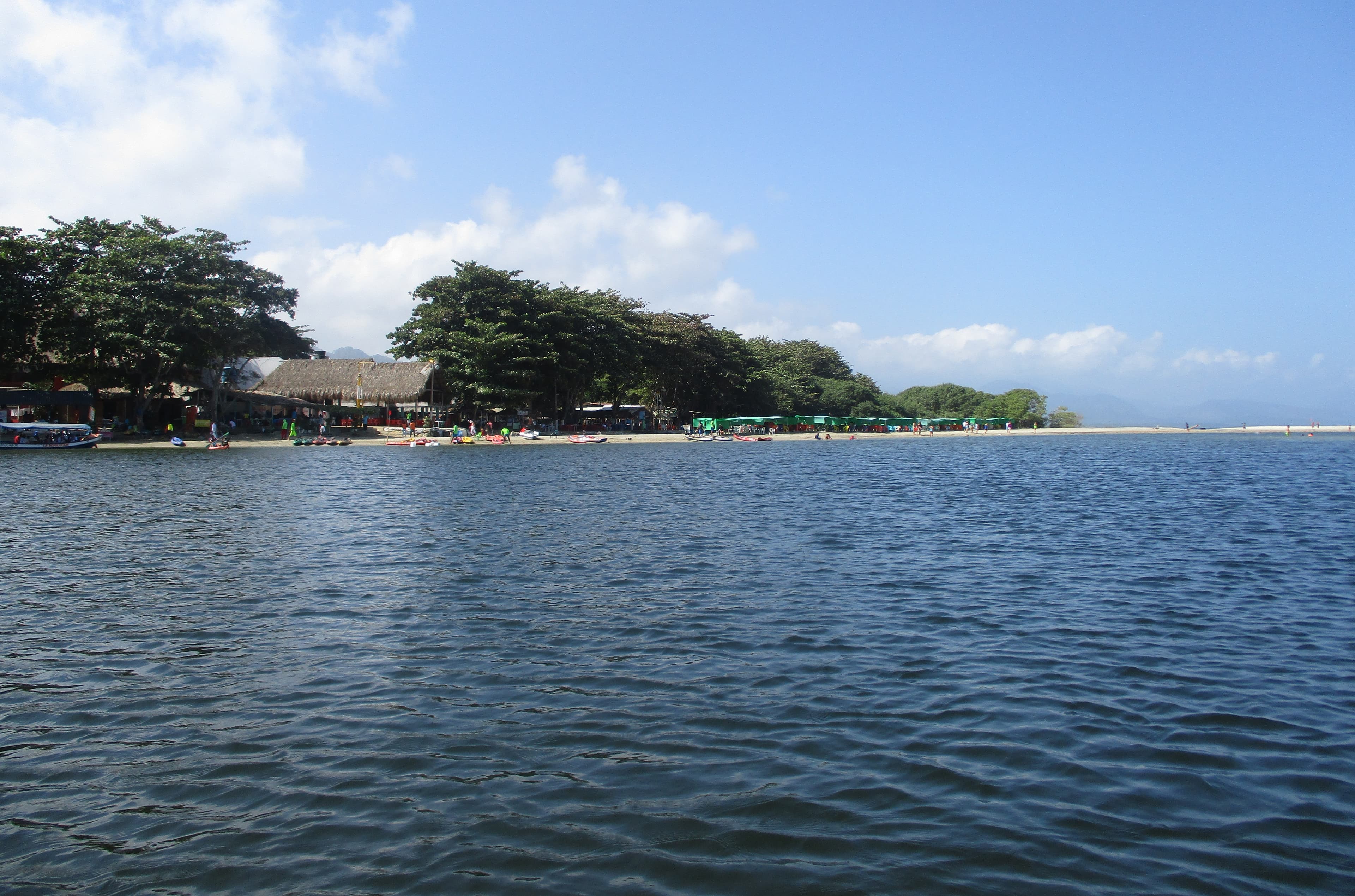
Buritaca is another broader-region coastal stop that becomes relevant once your guide expands beyond the immediate city. It offers a wild-beach atmosphere, river-mouth landscapes, and a more road-trip, eco-lodge style of beach experience than the urban Santa Marta coast.
Best time: Dry season weekdays
Getting there: Bus or private vehicle along the Troncal del Caribe east of Tayrona.
Insider tip: Choose Buritaca for a wilder coast-and-river setting and a road-trip vibe rather than an urban serviced beach day.
Warnings: More of a regional stop than a central Santa Marta beach • Conditions can feel rougher and less serviced