Stoplight Parrotfish
Sparisoma viride
One of the most recognizable Caribbean reef fish, often seen grazing directly on coral and rocky substrate. Its feeding activity is ecologically important because it helps keep algae in check on reef surfaces.
Marine hub
If your goal is real snorkeling quality, not just beach time, this hub brings together key species, encounter difficulty, best beaches, and safety context for reef and open-water conditions.
🐠 Reef Fish
Colorful nearshore fish that most snorkelers will encounter around rocky points and reef structure.
🛼 Rays
Elegant cartilaginous fish found over sand channels, reef drop-offs, and deeper blue-water edges.
🐢 Sea Turtles
Flagship marine megafauna around Santa Marta and Tayrona, best seen with responsible in-water behavior.
🪸 Coral and Benthic Life
Hard corals, branching colonies, and sea-fan communities that define local snorkeling habitat quality.

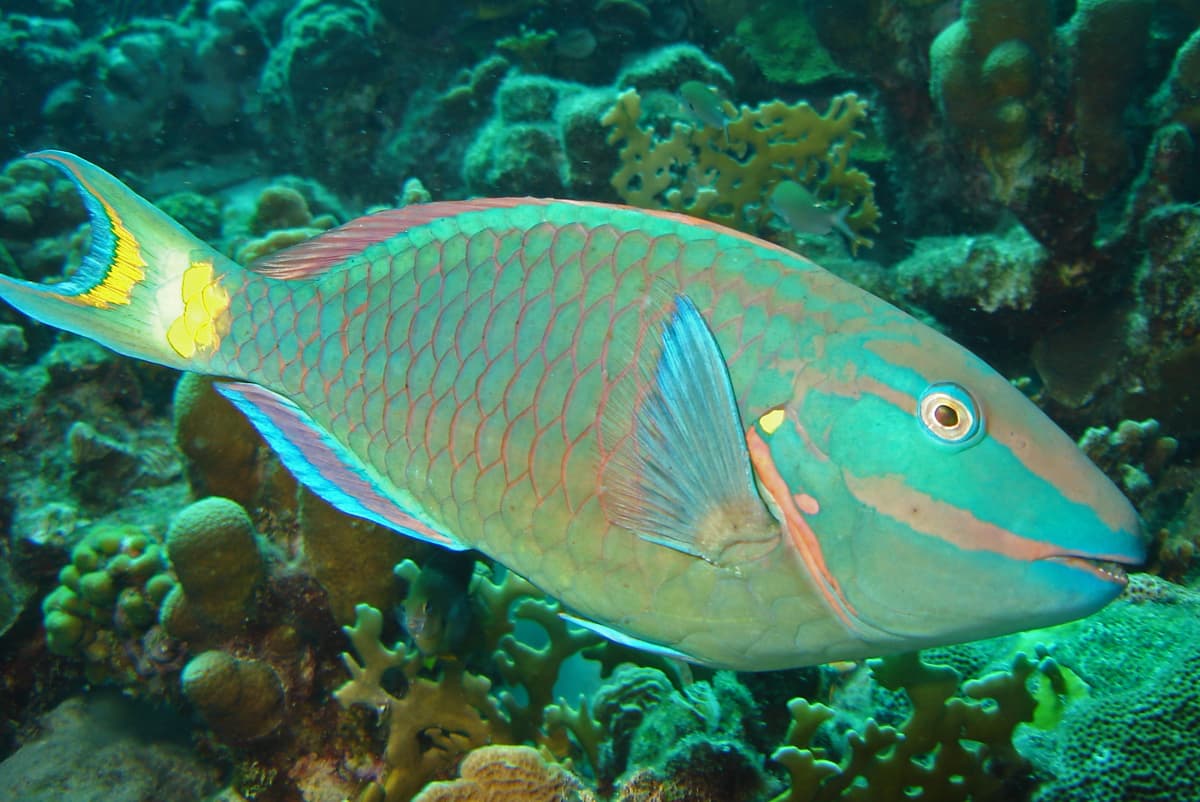
Stoplight Parrotfish
Sparisoma viride
One of the most recognizable Caribbean reef fish, often seen grazing directly on coral and rocky substrate. Its feeding activity is ecologically important because it helps keep algae in check on reef surfaces.

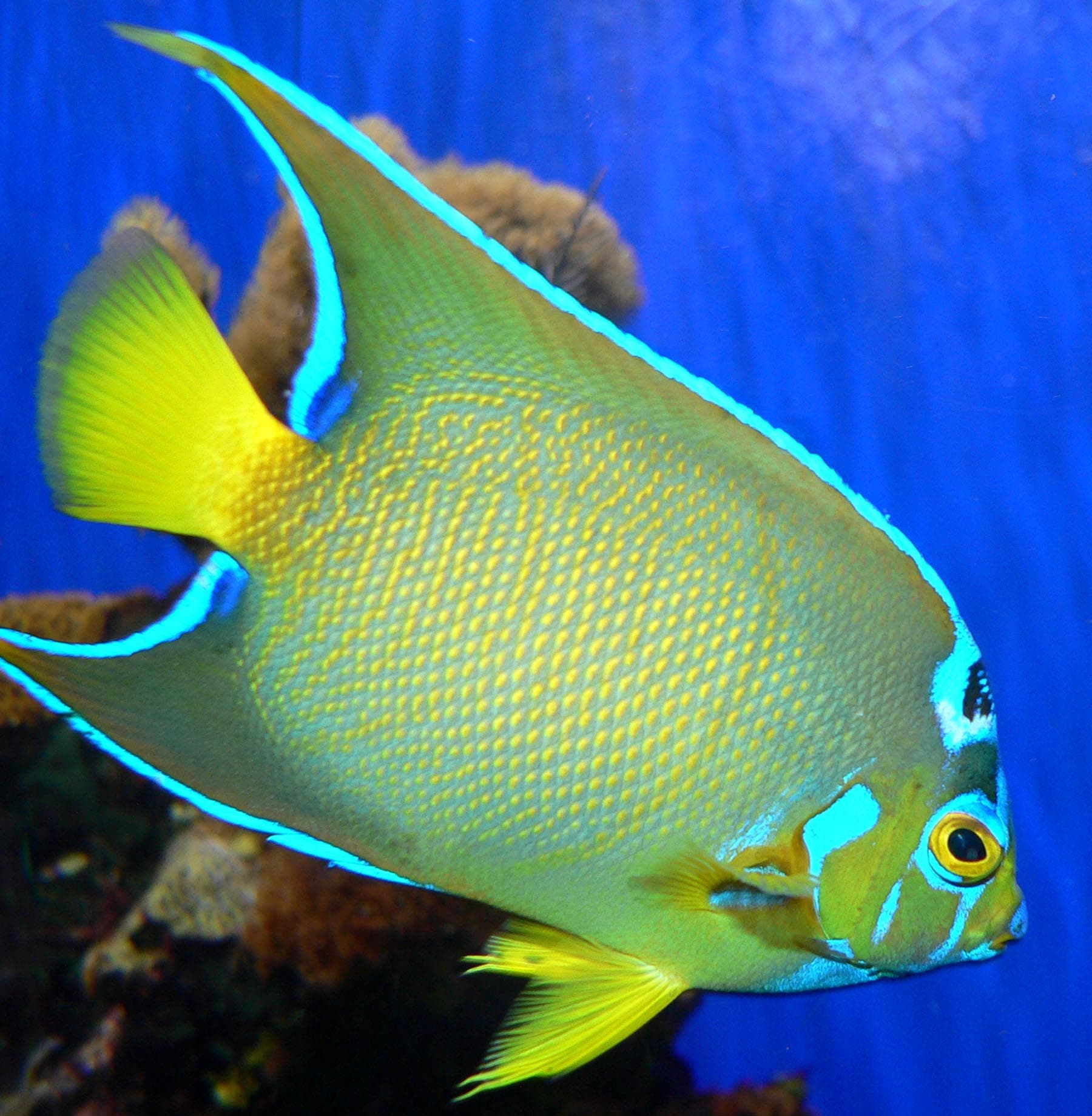
Queen Angelfish
Holacanthus ciliaris
A high-value visual species for snorkel tourism due to intense blue and yellow patterning. Often observed near reef walls and coral heads where it forages on sponges and benthic invertebrates.

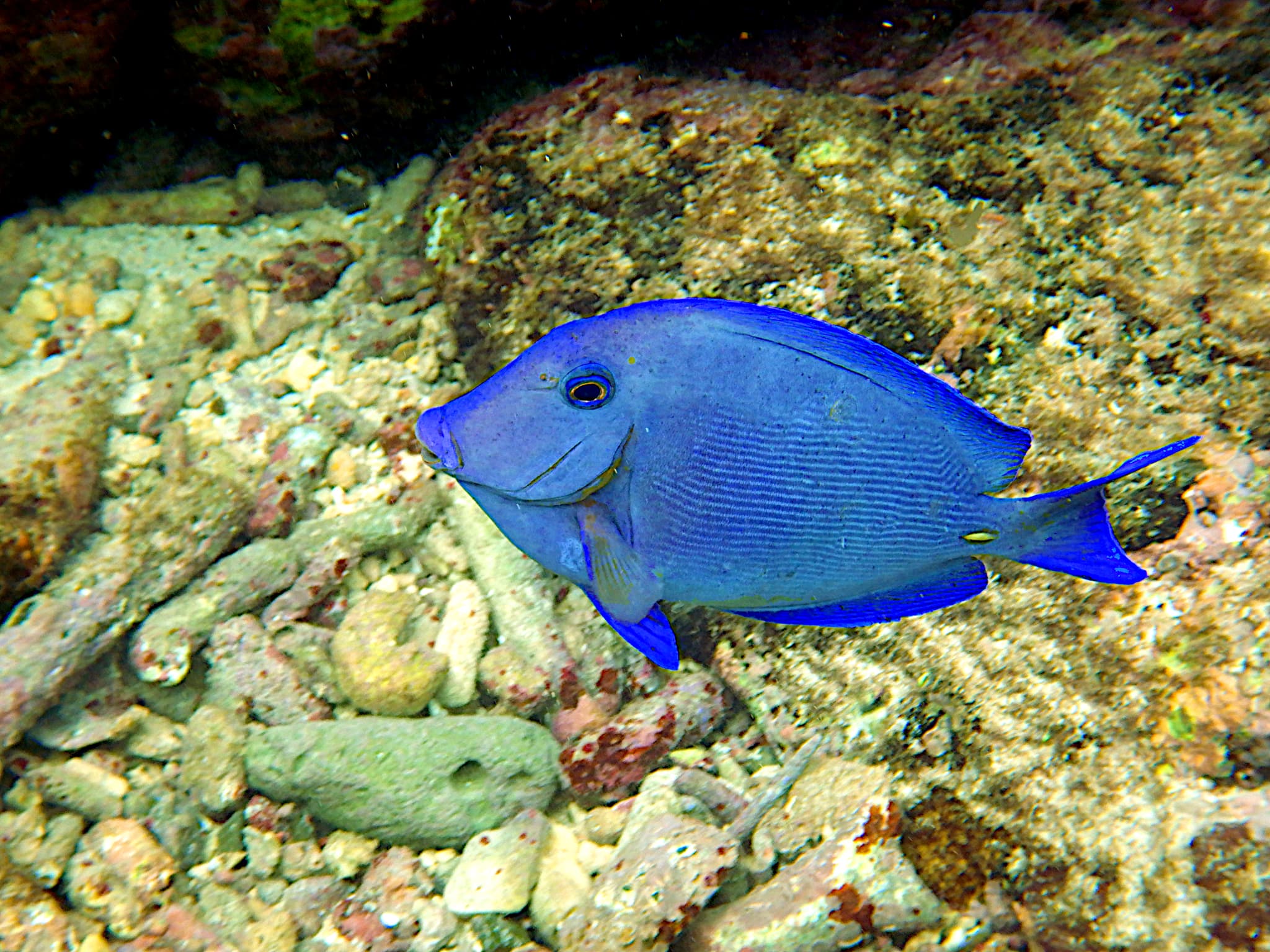
Blue Tang
Acanthurus coeruleus
A common Caribbean herbivore and one of the easiest fish to spot on productive reef patches. Juveniles and adults can differ strongly in color, which makes life-stage observation interesting for casual snorkelers.

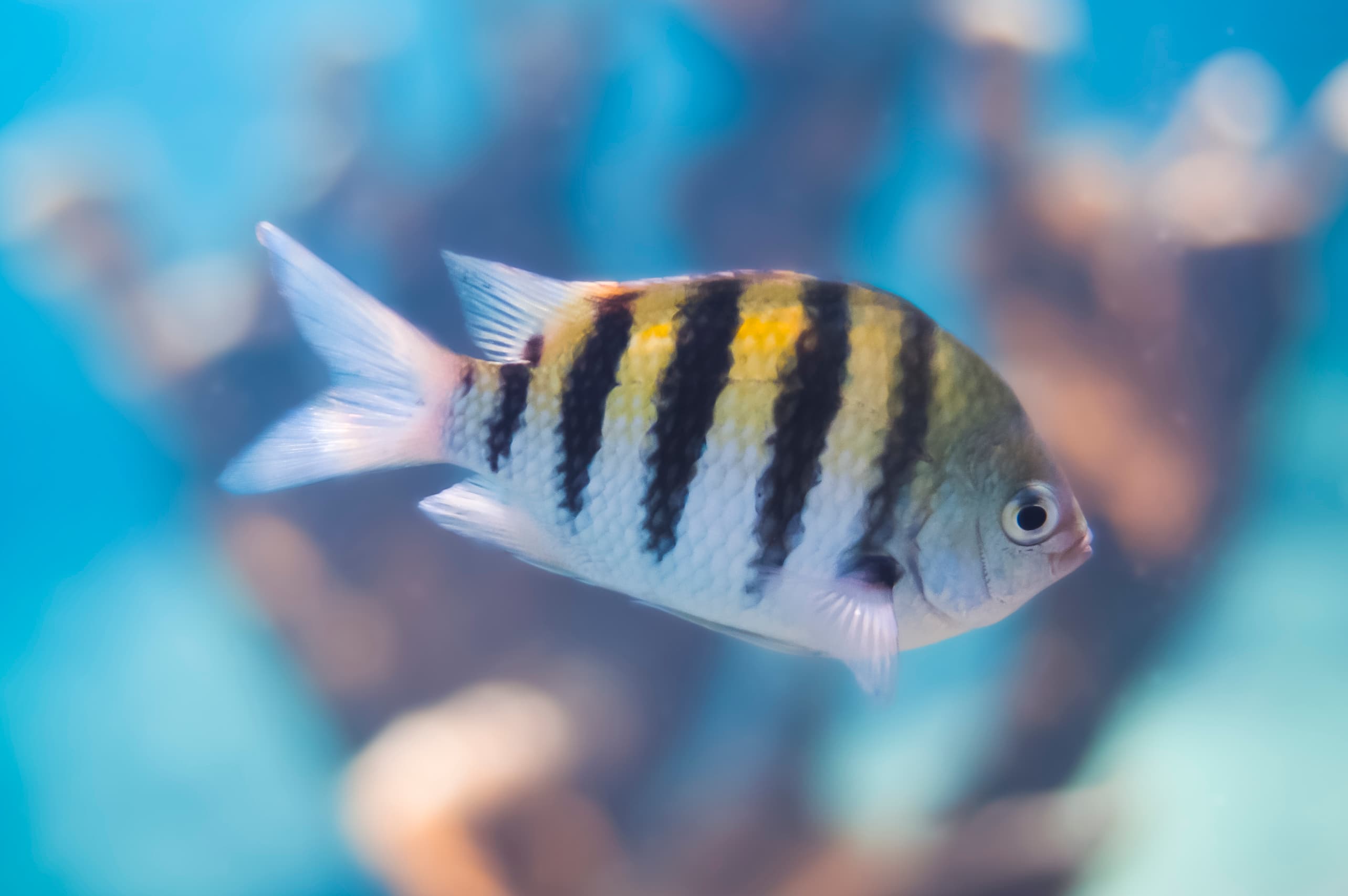
Sergeant Major
Abudefduf saxatilis
One of the first species beginners identify in Caribbean snorkeling. Their striped schooling behavior makes them an excellent indicator of nearshore fish activity and visibility quality.

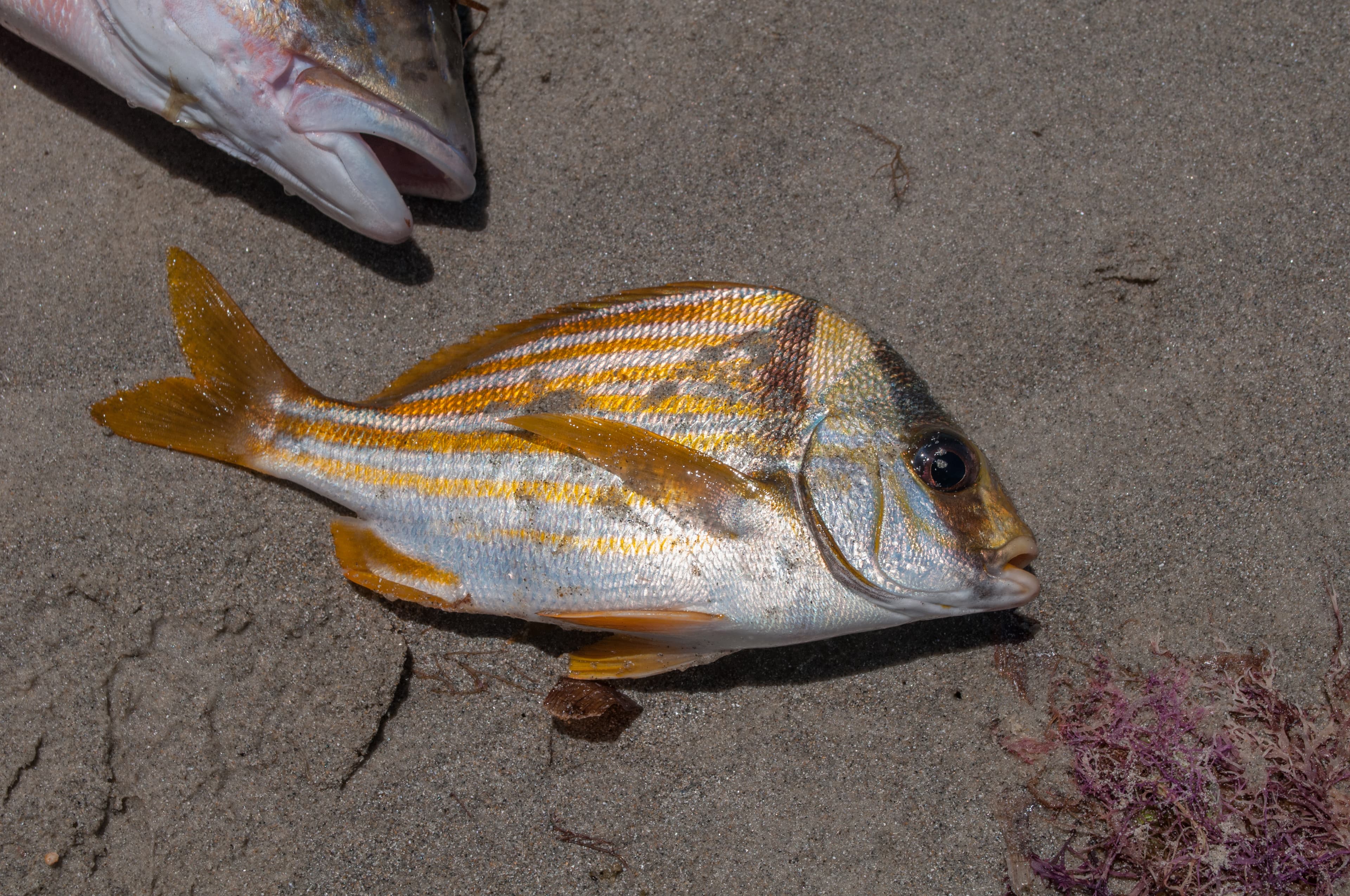
French Grunt
Haemulon flavolineatum
A classic schooling reef fish often present in daytime shelter aggregations. Useful for judging reef fish biomass and overall reef occupation in snorkeling areas.

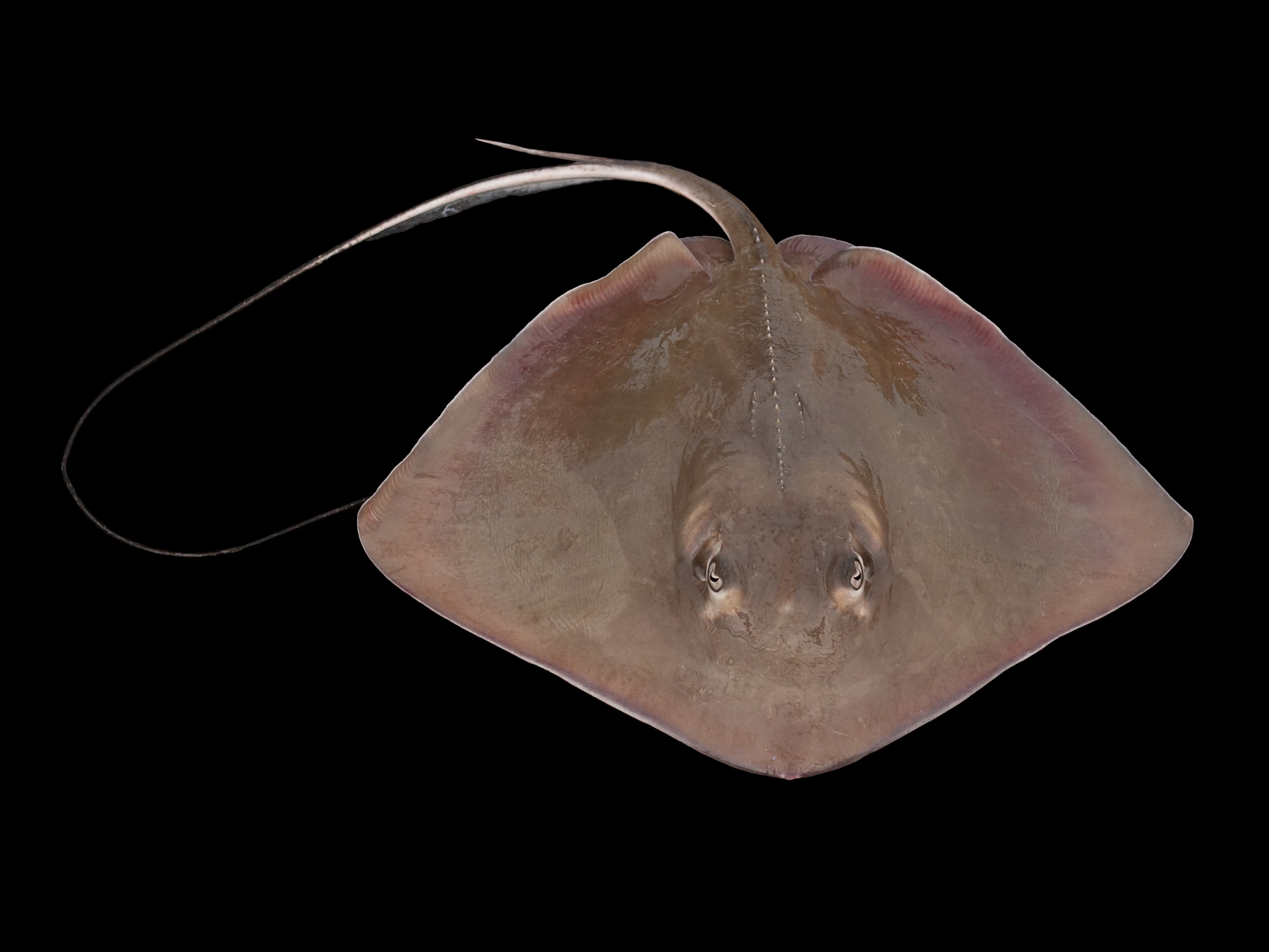
Southern Stingray
Hypanus americanus
Commonly associated with sandy bottoms near reef edges. Sightings are memorable but should always be treated with respectful distance due to defensive tail spine risk.

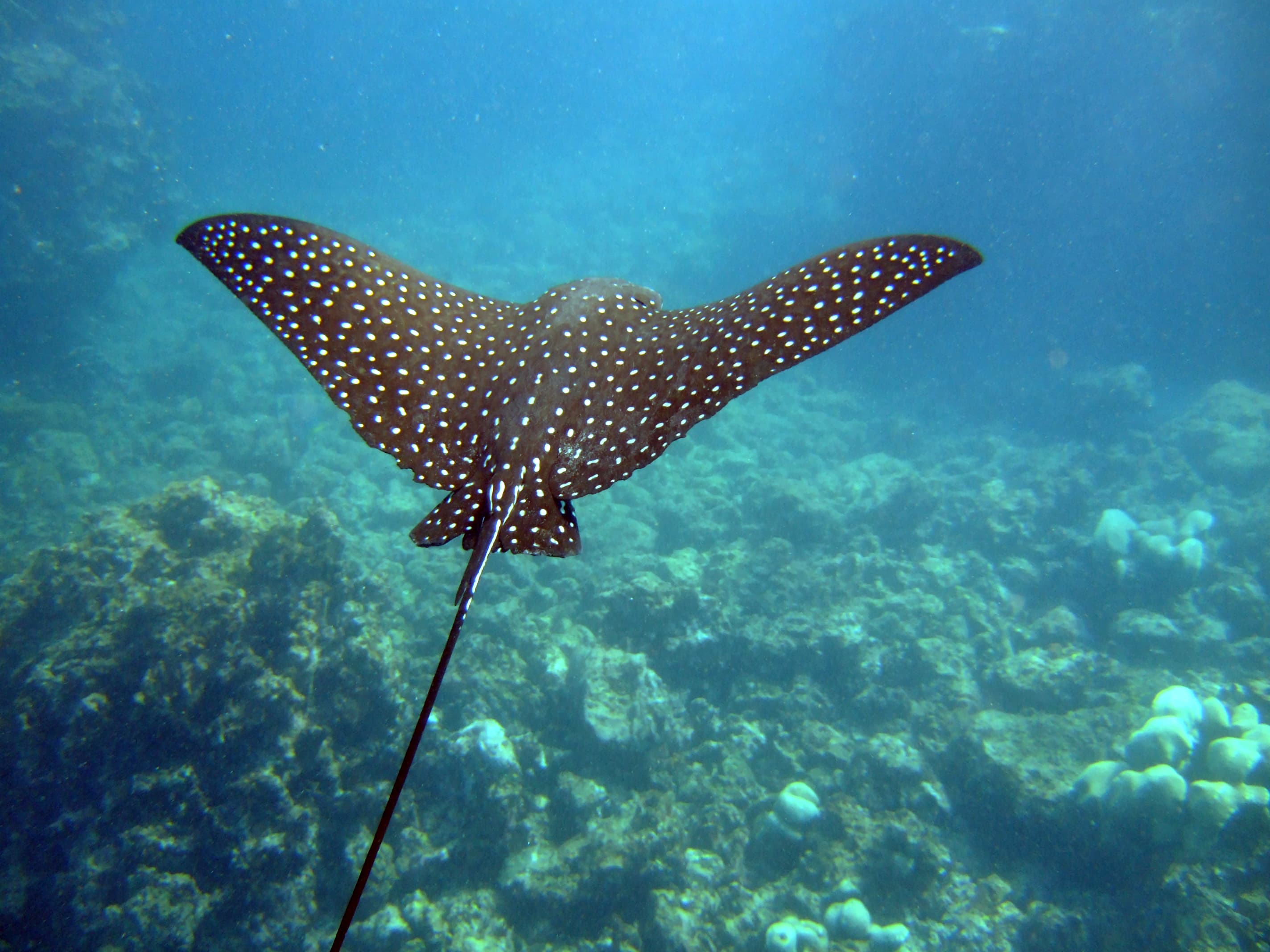
Spotted Eagle Ray
Aetobatus narinari
A high-value pelagic-reef edge sighting recognized by white dorsal spots and long tail. Encounters are less frequent but highly memorable for snorkelers and free-divers.

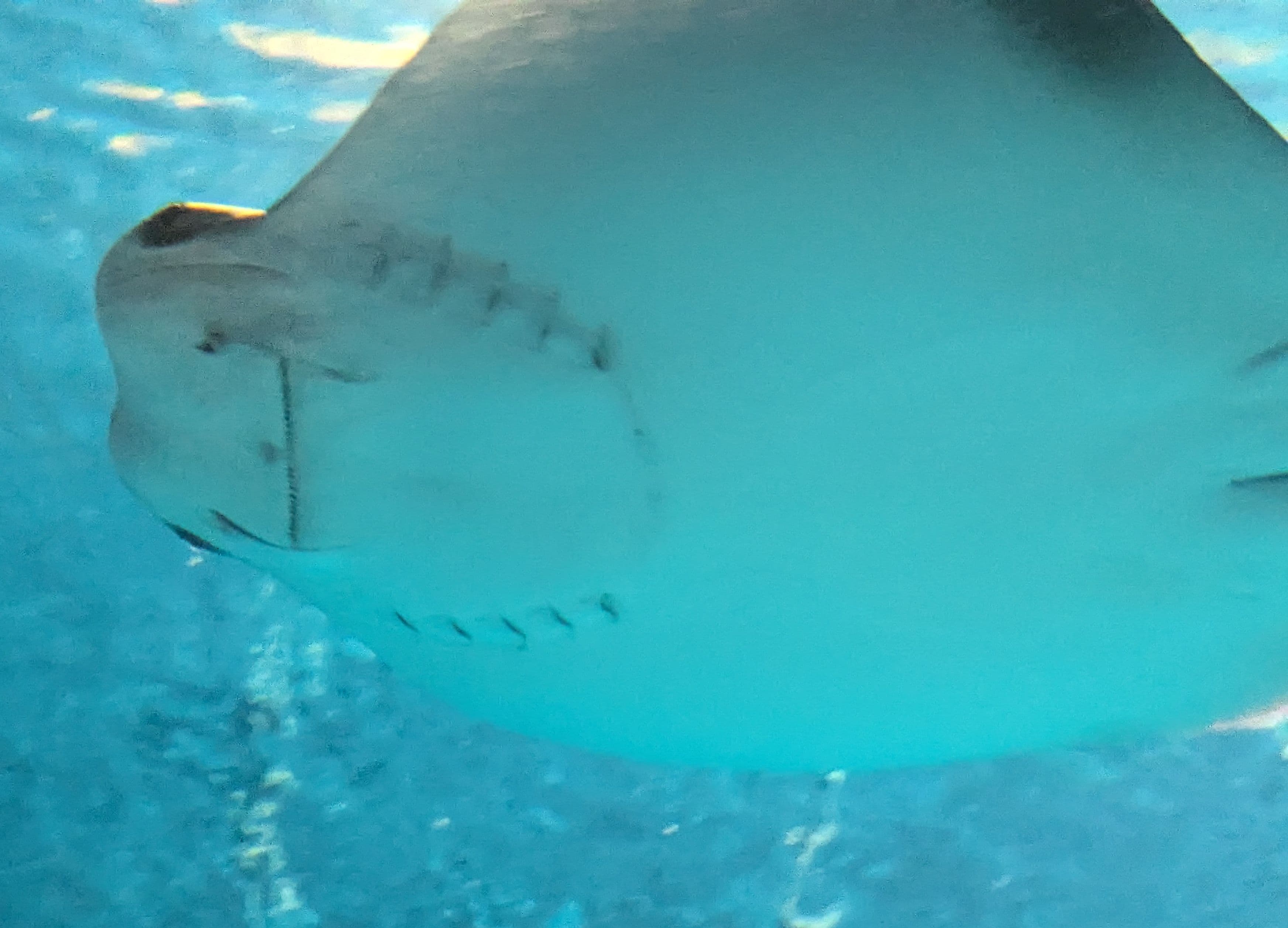
Cownose Ray
Rhinoptera bonasus
Occasional Caribbean migrant and schooling ray with distinct rounded head shape. Usually a bonus sighting rather than a guaranteed target.