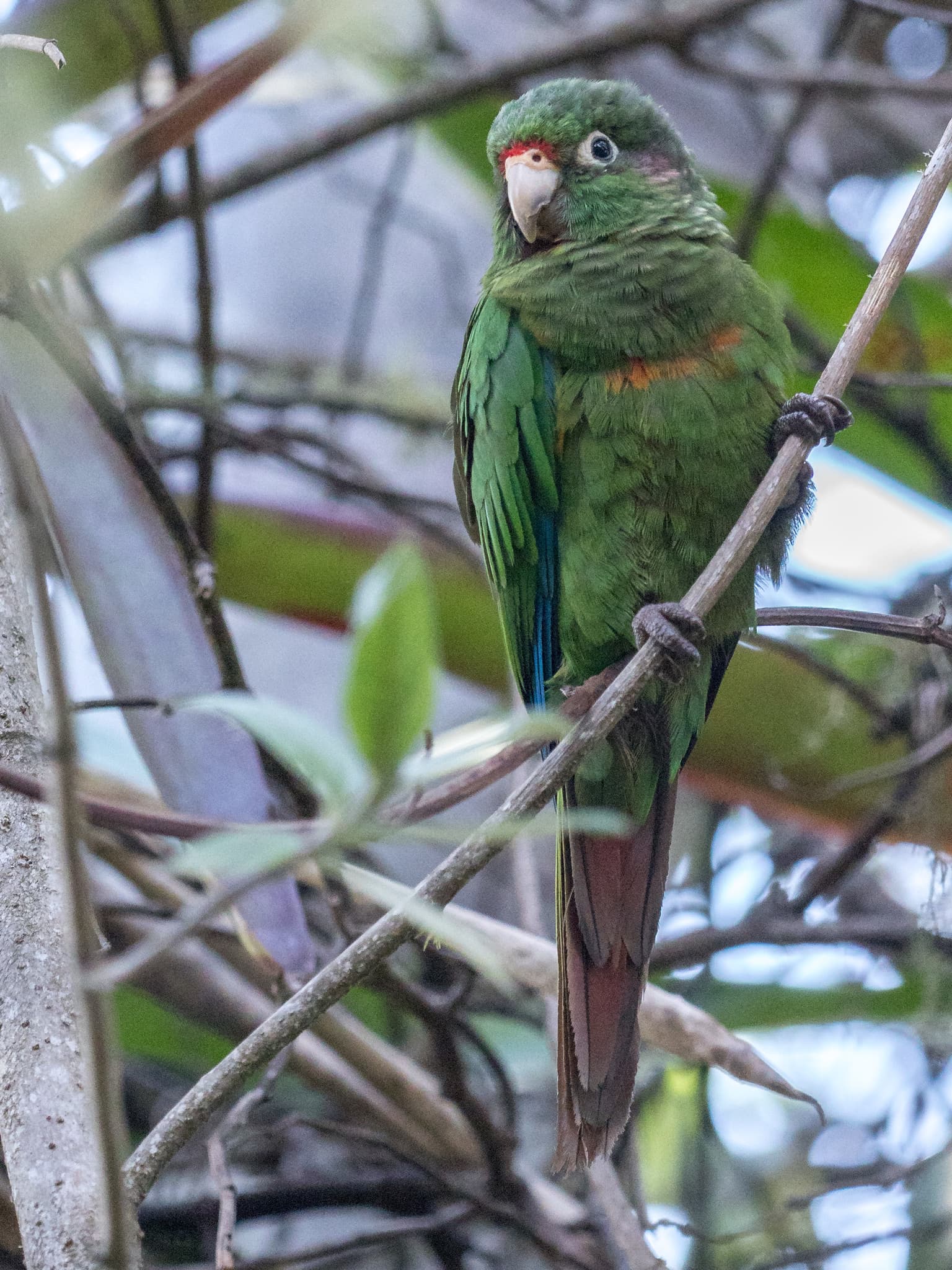
Endemic birds
Real wildlife guide
Santa Marta isn’t just beaches. It is one of the most biodiverse coastal regions in the world. Jungle, ocean and snow-capped mountains coexist in the same ecosystem.
Endemic birds

Marine life
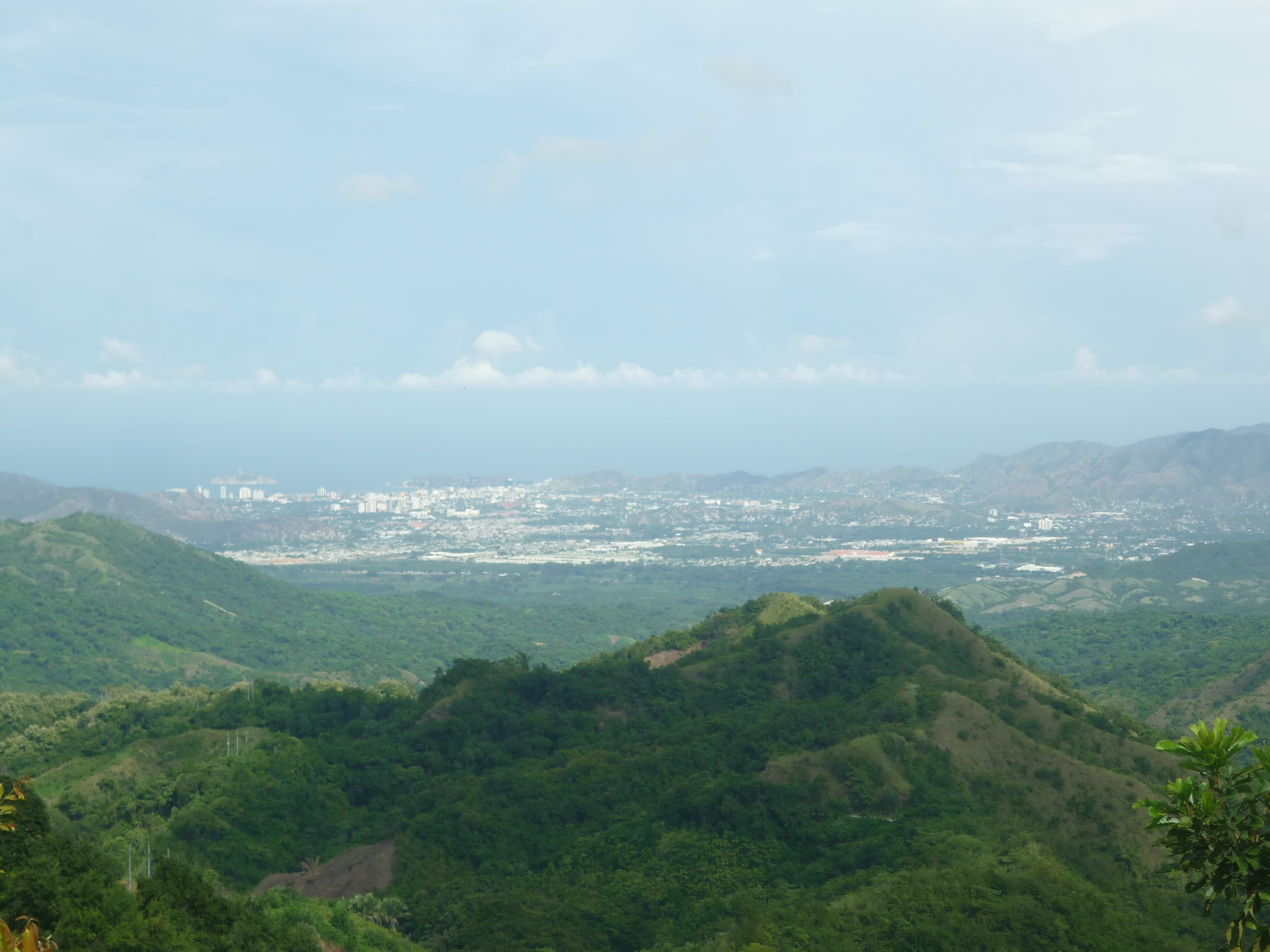
Jungle and mountain
Best places
For hike + beach combinations, check Tayrona and Cabo San Juan.
Santa Marta is one of the top birdwatching regions in South America.
For species-level detail, open Santa Marta Parakeet, Santa Marta Antpitta and the birdwatching guide.
Best beaches for this
Playa Cristal · Bahía Concha · Tayrona
Avoid Rodadero for clarity.
Open snorkeling map →You can also browse by species in sea turtles and hawksbill.
| Effort | What you usually see | Best zone |
|---|---|---|
| Low | Common birds, iguanas, nearshore fish | Rodadero, Taganga, urban beaches |
| Medium | Monkeys, tropical birds, richer snorkeling | Bahia Concha, lower Minca, easy Tayrona routes |
| High | Endemics, rare birds, selective sightings | Upper Minca, El Dorado, San Lorenzo |
You won’t see jaguars or big predators around beach zones. Santa Marta is generally safe from a wildlife perspective.
The Sierra Nevada is the tallest coastal mountain range in the world (~5,700m), creating multiple climates and direct jungle-to-ocean transitions.