Santa Marta Parakeet (Pyrrhura viridicata)
View species →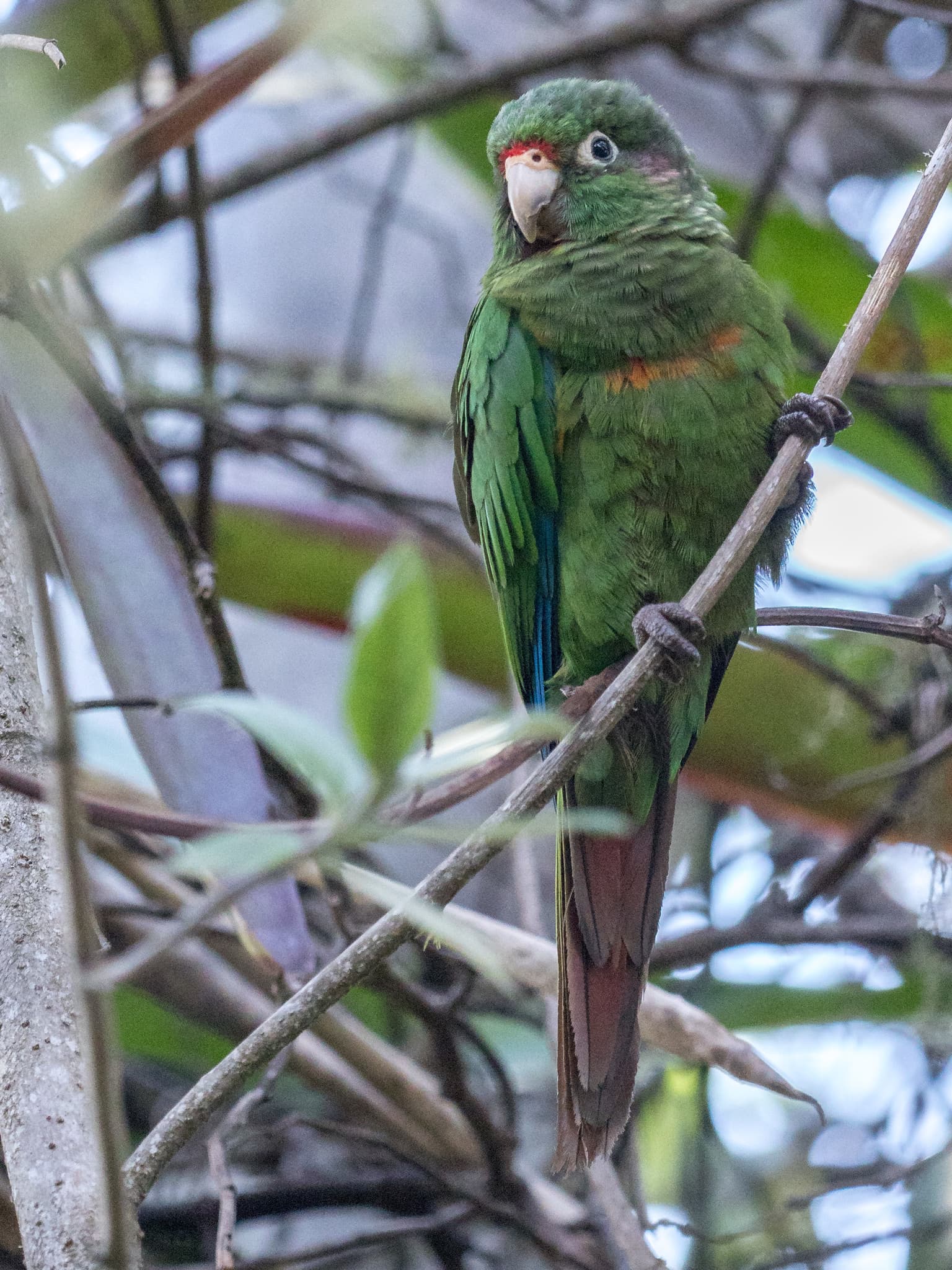
Photo: Wikimedia Commons (see author/license). Source
Status: Endangered
Habitat: High-elevation cloud forest
Flagship endemic species; historically impacted by cloud forest loss.
Endemism guide
The Sierra Nevada de Santa Marta is one of Earth’s most extraordinary regions for endemic birdlife. Seeing one of these species in the wild means seeing something that exists only here.
Photo: Wikimedia Commons (see author/license). Source
Status: Endangered
Habitat: High-elevation cloud forest
Flagship endemic species; historically impacted by cloud forest loss.
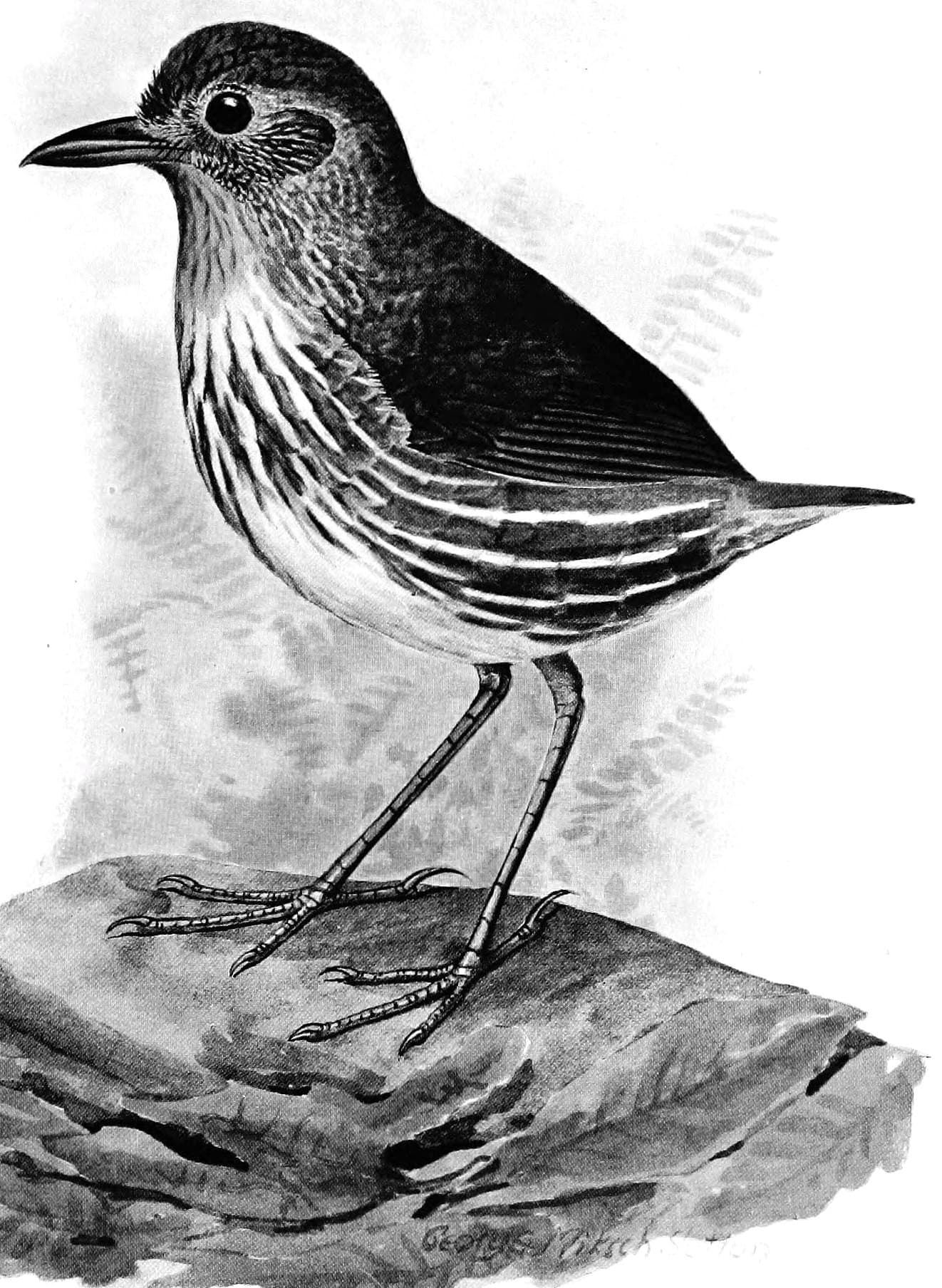
Photo: Wikimedia Commons (see author/license). Source
Status: Vulnerable
Habitat: Dense forest undergrowth
Extremely hard to see; often identified by sound before sight.
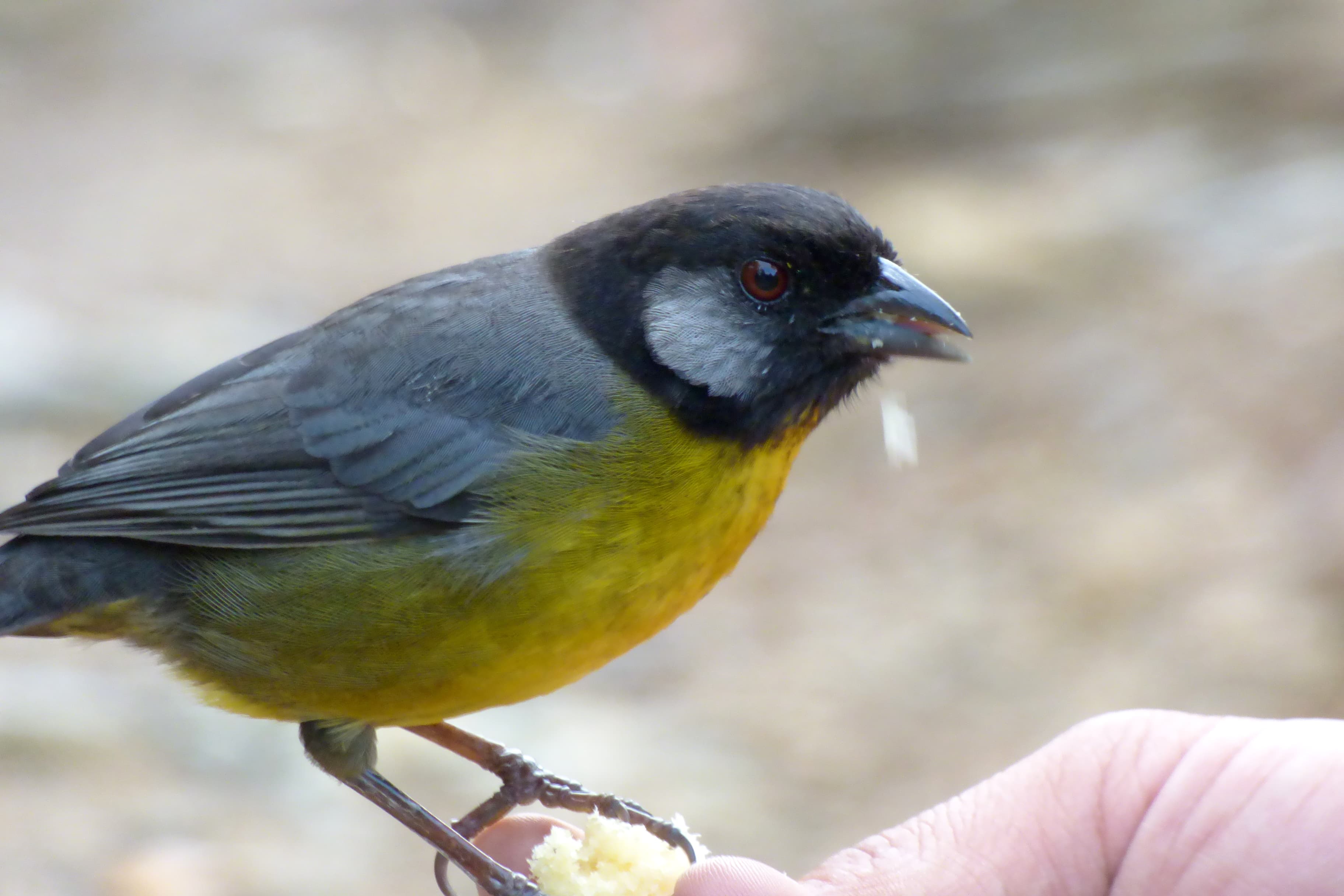
Photo: Wikimedia Commons (see author/license). Source
Status: Near Threatened
Habitat: Mountain forest
Often easier than other endemics in higher edges and openings.
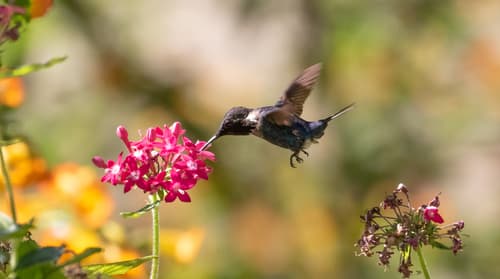
Photo: Wikimedia Commons (see author/license). Source
Status: Least Concern
Habitat: Open areas and forest edges
One of the smallest hummingbirds in the region and a key endemic.
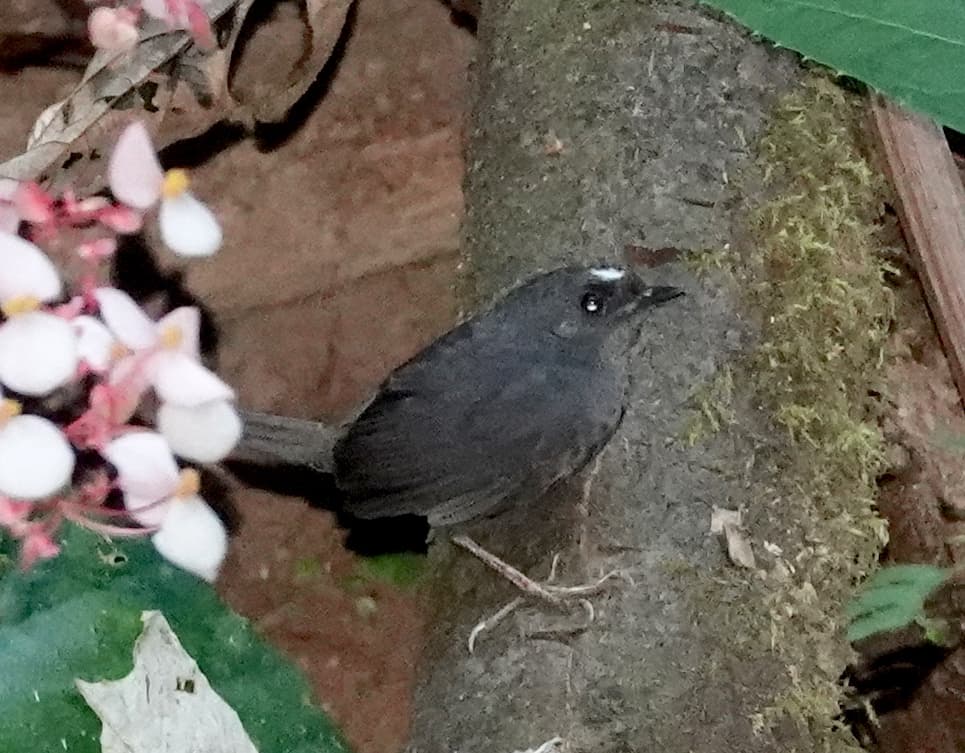
Photo: Wikimedia Commons (see author/license). Source
Status: Least Concern
Habitat: Cloud forest undergrowth
Usually stays hidden; even advanced birders often record it by voice.
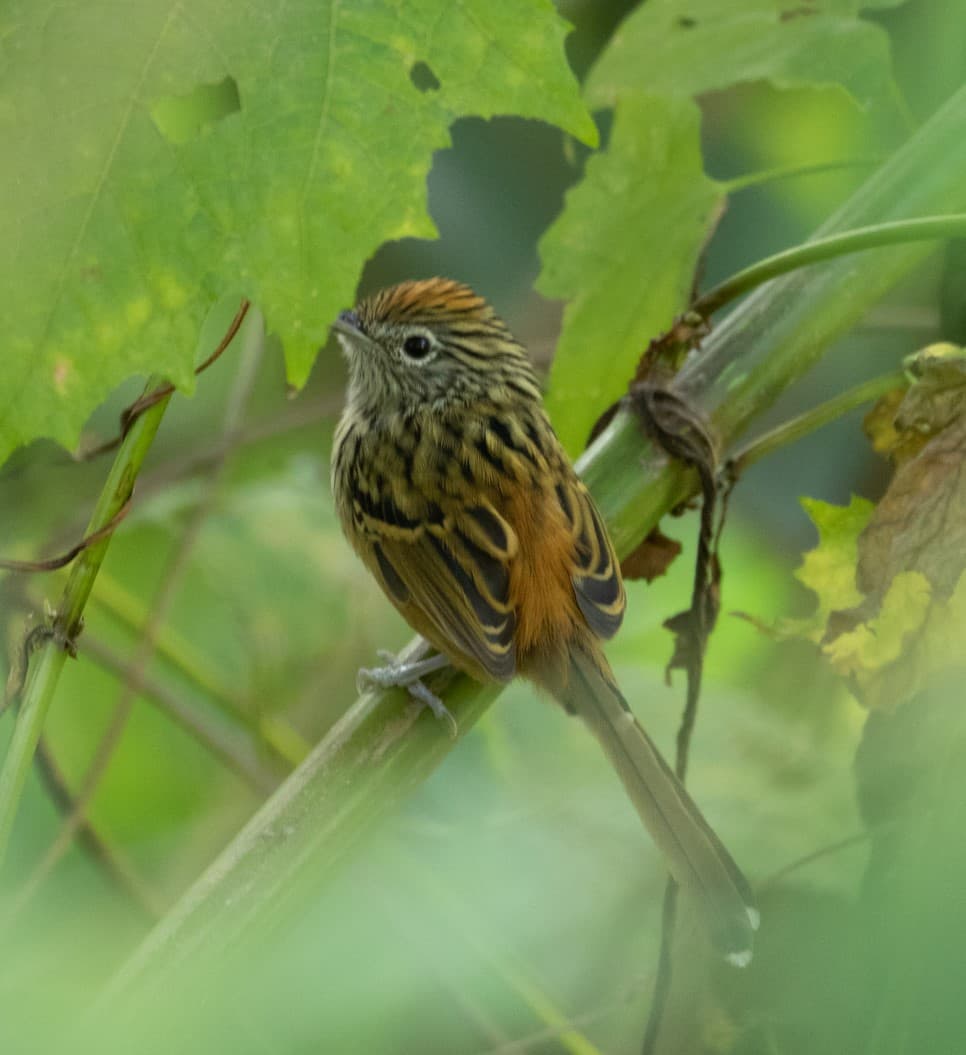
Photo: Wikimedia Commons (see author/license). Source
Status: Near Threatened
Habitat: Forest interior
Highly habitat-dependent and sensitive to disturbance.
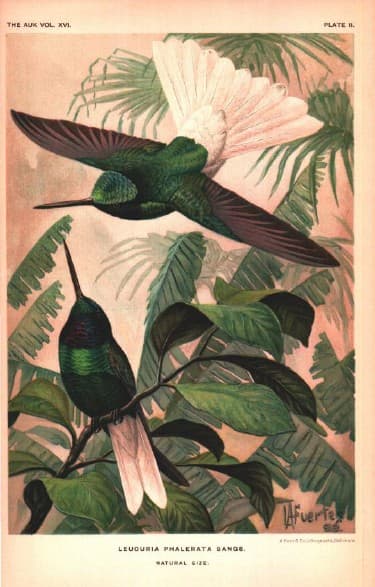
Photo: Wikimedia Commons (see author/license). Source
Status: Near Threatened
Habitat: High-altitude forests
Striking endemic hummingbird with iridescent plumage.
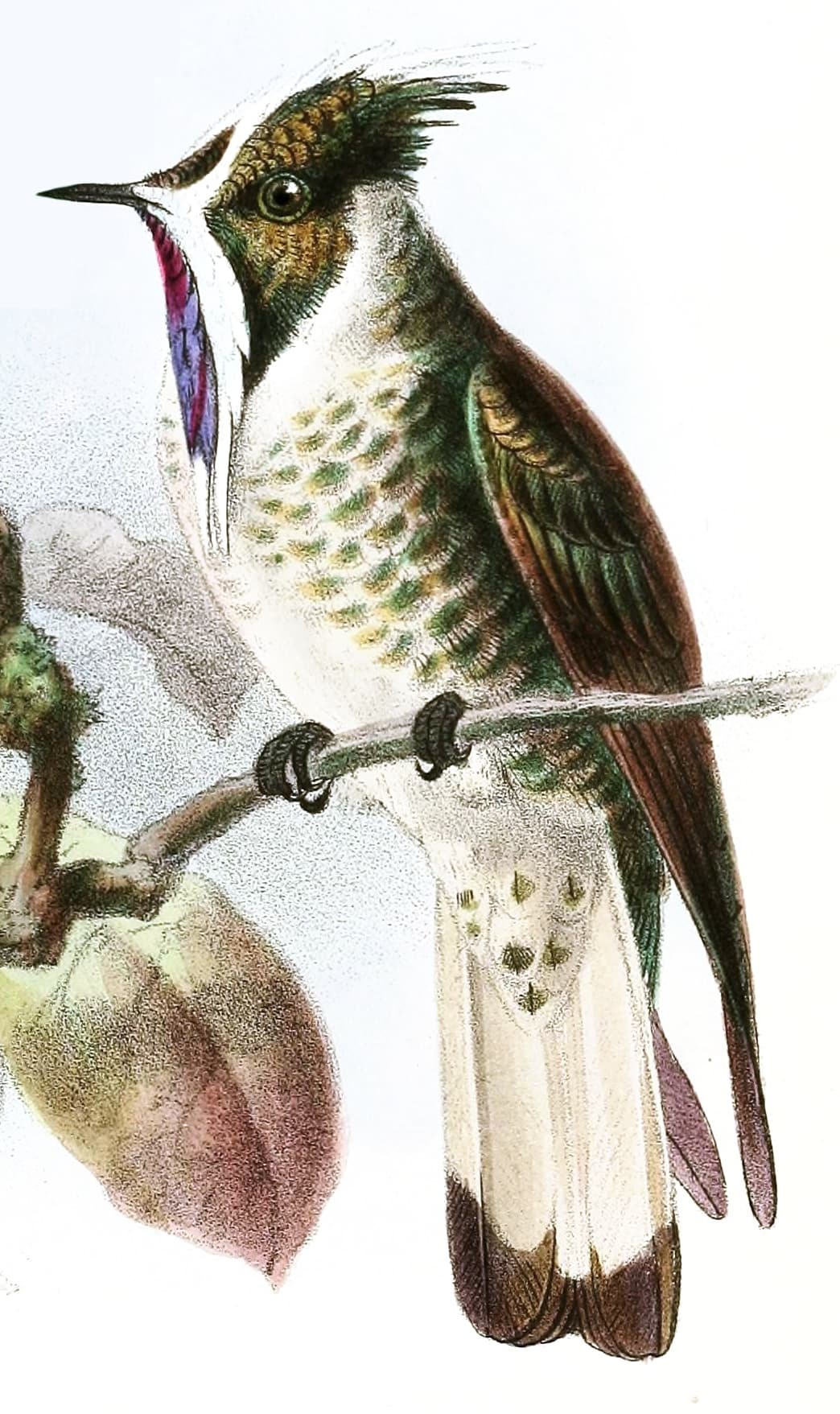
Photo: Wikimedia Commons (see author/license). Source
Status: Critically Endangered
Habitat: High-altitude paramo
Rediscovered in 2015 after years without records; exceptionally rare.
The Sierra Nevada is isolated from the Andes and functions like a sky island. That separation enabled independent evolutionary pathways over millions of years across distinct elevation habitats.
Minca
Good low/mid-elevation starting point with easy access.
El Dorado Reserve
Best overall location for endemic species concentration.
San Lorenzo Ridge
Critical for high-elevation rare endemics.
For endemic species, local habitat loss translates directly into global extinction risk.
Santa Marta is not only about beaches. It is one of the planet’s most biologically unique places, and seeing even one endemic bird can become a trip-defining moment.